Politics
Alleged Corruption: Atiku mocks Presidency's China comparison, warns it cuts both ways
Atiku Abubakar: The Unyielding Critic in the Eye of the Storm Atiku Abubakar, the Presidential candidate of the African Democratic Congress (ADC), is a man who wears his heart on his sleeve.
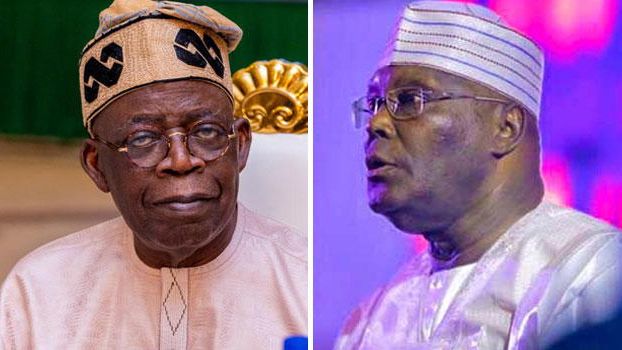
Atiku Abubakar, the Presidential candidate of the African Democratic Congress (ADC), is a man who wears his heart on his sleeve. For the past few months, he has been at the receiving end of a barrage of criticisms from the Presidency, with allegations of corruption and narcotics trafficking hanging over his head like the sword of Damocles. But Atiku, ever the unyielding critic, has refused to take the bait, instead choosing to turn the tables on his tormentors. In a recent statement, he has mocked the Presidency's attempt to draw a comparison with China, warning that the strategy has instead placed President Bola Tinubu under sharper scrutiny.
Atiku's response to the Presidency's China comparison has been calculated to perfection. By pointing out that capital punishment remains the maximum penalty under Chinese law for the most serious drug trafficking offences, he has managed to shift the spotlight onto the Presidency's own record. And what a record it is. The $460,000 forfeited to the United States Government in a civil forfeiture matter tied to allegations of narcotics trafficking and money laundering is a sum that speaks volumes about the administration's accountability. Atiku has invited the Presidency to apply Chinese standards of accountability to this case, and it is a challenge that they would do well to take seriously.
Atiku's critique of the Presidency's China comparison goes beyond a simple game of one-upmanship. It is a critique of the administration's messaging, and the way in which they have chosen to handle their own public relations. By relying on a US government reply to diplomatic correspondence, they have effectively created a narrative that is both confusing and misleading. Atiku has pointed out that accountability, once invoked by reference to another country's laws, cannot be applied selectively. And it is this selectivity that has led to the episode reflecting poorly on the Presidency's handling of its own messaging.
Atiku's response to the Presidency's China comparison is more than just a tactical move; it is a reflection of the broader implications of the Nigerian political landscape. The fact that the Presidency has chosen to draw a comparison with China in the first place is a reflection of their desperation to discredit Atiku. But in doing so, they have managed to highlight their own vulnerabilities, and the lack of accountability that has come to characterize their administration. And it is this lack of accountability that has led to the growing discontent among Nigerians, who are increasingly frustrated by the administration's inability to deliver on its promises.
As the dust settles on this latest episode, it is clear that the Presidency has a lot to think about. Will they continue to rely on their China comparison, or will they choose to take Atiku's challenge seriously? The answer to this question will depend on their ability to apply Chinese standards of accountability to their own record. And if they fail to do so, it will only serve to further undermine their credibility, and reinforce Atiku's position as a serious contender in the 2027 elections. For Atiku, the game is far from over, and he will continue to push the Presidency to account for their actions.