Politics
Alleged N8.83trn: 'Tinubu government is grossly corrupt', Obi
The Heavyweight Punch of Alleged Corruption Peter Obi, the presidential candidate of the Nigeria Democratic Congress (NDC), is a man on a mission.
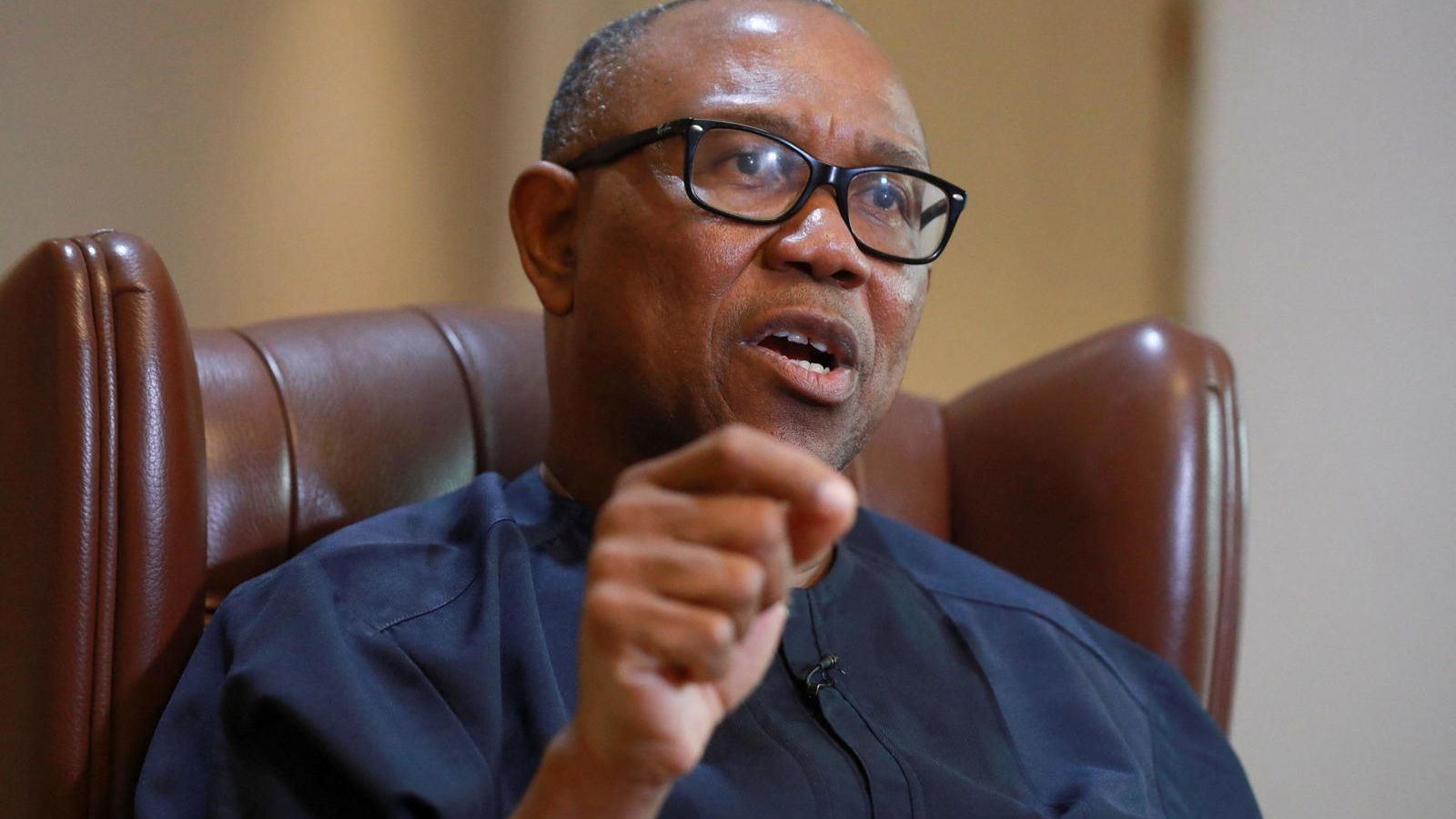
Peter Obi, the presidential candidate of the Nigeria Democratic Congress (NDC), is a man on a mission. He's been vocal about his discontent with the current administration of President Bola Tinubu, and his latest salvo is a doozy. In a statement posted on his X account, Obi alleged that the Tinubu government is grossly corrupt, and he's got the numbers to back it up. At stake for Obi is his reputation as a champion of transparency and accountability in government. If his claims hold water, it could be a major blow to the Tinubu administration's legitimacy.
According to Obi, the IMF consultation report has revealed that a staggering ₦8.83 trillion in expenditure was undertaken in 2025, but not reflected in the budget. This means that the government hasn't accounted for this massive sum, leaving it outside of legislative oversight and administrative scrutiny. To put this number into perspective, Obi points out that it represents about two per cent of Nigeria's Gross Domestic Product (GDP) and over 35 per cent of the country's ₦23.96 trillion capital expenditure budget for 2025. To make matters worse, the sum allegedly exceeds the combined allocations to the education and health sectors in the 2025 budget. This is a damning indictment of the government's financial management, and Obi isn't afraid to call it out.
Obi's allegations are not isolated incidents; rather, they seem to be part of a larger pattern of financial mismanagement under the Tinubu administration. The former Anambra State governor has been sounding the alarm on this issue for some time now, and his latest claims are just the latest evidence of what he sees as a gross lack of accountability in government. He's right to point out that such practices can undermine national stability and deepen poverty. The irony is that the government's failure to manage public resources effectively is a major contributor to the very problems it's supposed to be solving.
Obi's allegations are not just about the Tinubu administration; they're also part of a broader conversation about the state of public financial management in Nigeria. In recent years, there's been a growing trend towards greater transparency and accountability in government, driven in part by the rise of social media and citizen activism. Obi's use of the IMF consultation report to make his case is a prime example of this trend. As the conversation around public financial management continues to evolve, it's clear that Obi's allegations will be closely watched by stakeholders across the industry.
Given the gravity of Obi's allegations, it's likely that the Tinubu administration will respond in some way. Whether that response will be a robust defense of their financial management practices or a more conciliatory approach remains to be seen.As the dust settles, it's clear that the real winner will be the Nigerian people, who deserve to know the truth about how their tax dollars are being spent.
Moving forward, it's clear that Obi's allegations will be a major focal point in the run-up to the 2027 elections. As the presidential campaigns heat up, expect to see more and more attention paid to issues of public financial management and accountability. For Obi and his supporters, the stakes are high, but the potential reward is worth the risk. If his allegations hold water, it could be a major blow to the Tinubu administration's legitimacy and a major victory for transparency and accountability in Nigerian politics.