Politics
Amaechi to lead ADC campaigns as Atiku plans presidencyreform
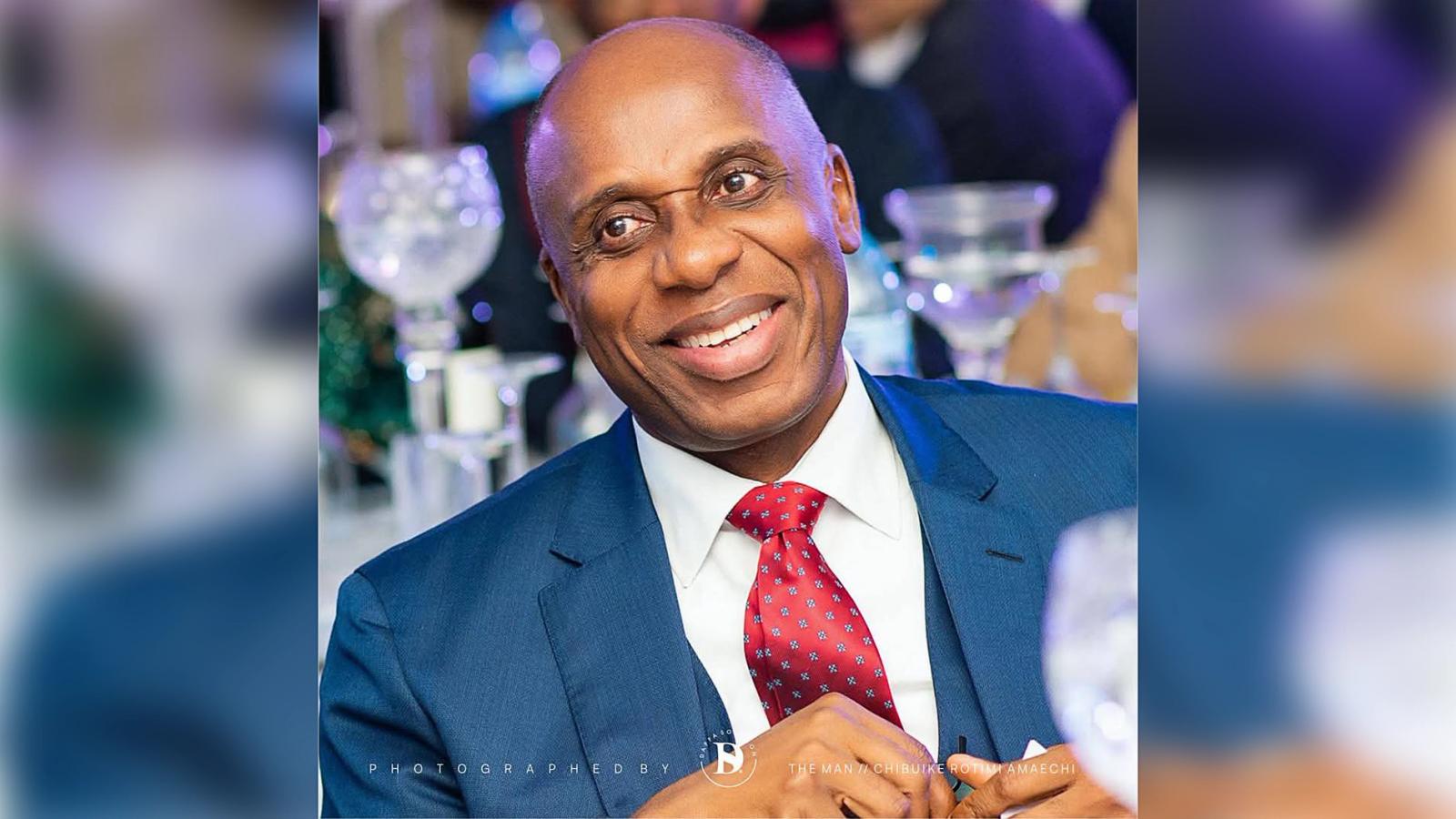
Chibuike Amaechi, former Minister of Transportation and prospective vice presidential nominee of the African Democratic Congress (ADC), finds himself at the centre of a crucial decision that could shape the future of Nigerian politics. At 54, Amaechi's experience in electoral politics, particularly in his role as Director-General of the Buhari Campaign Organisation in 2015, has made him an attractive candidate to lead the Atiku Abubakar presidential campaign organisation. However, this move is not without its controversy, as Senator Adams Oshiomhole, a chieftain of the All Progressives Congress (APC), has claimed that Amaechi did not even vote for Buhari in 2015.
The decision to appoint Amaechi as Director-General of the ADC Presidential Campaign Organisation is a strategic one, aimed at leveraging his experience in delivering electoral victories. According to a reliable source, Amaechi was considered for the job due to his experience in a similar position when he delivered Buhari in the historic defeat of an incumbent, Dr Goodluck Jonathan, in the 2015 poll. This experience has made him an attractive candidate to lead Atiku's campaigns in the absence of any state governor in ADC.
Atiku Abubakar's decision to appoint Amaechi as Director-General of his presidential campaign organisation is part of his plans to deliver a reformed presidency if elected President in the January 16, 2027, presidential poll. According to a reliable source, Atiku believes that Nigeria's Presidency is due for urgent reforms, citing the imperfections of the Nigerian Presidency under the last three years under Bola Tinubu. Atiku wants to forge a partnership presidency, with Amaechi taking charge of key functions, a move that could potentially reform the way the Nigerian Presidency operates.
Atiku's plans to reform the Nigerian Presidency are not isolated to his presidential campaign. This move is part of a broader industry movement towards a more collaborative and effective leadership style. In the United States, the Presidency assigns clear constitutional roles to the VP, a model that Atiku wants to emulate in Nigeria. By appointing Amaechi as Director-General of his campaign organisation, Atiku is sending a strong signal that he is committed to reforming the Nigerian Presidency and creating a more effective partnership between the President and the Vice President.
Atiku's decision to appoint Amaechi as Director-General of his campaign organisation is also a strategic move to address the imperfections of the Nigerian Presidency. By offering Amaechi free rein to play wide-ranging roles during the electioneering and in the reformed presidency being designed by Atiku, the former VP is seeking to create a more collaborative and effective leadership style. This move is a departure from the traditional adversarial relationship between the President and the Vice President in Nigeria, a relationship that has been characterised by friction and confrontation.
The appointment of Amaechi as Director-General of Atiku's campaign organisation is a significant development in Nigerian politics. It is a move that could potentially shape the future of Nigerian politics and create a more effective and collaborative leadership style. As the 2027 presidential election approaches, this move is likely to be closely watched by political observers and analysts. With Atiku's plans to reform the Nigerian Presidency, the country may be on the cusp of a new era in leadership, one that prioritises collaboration and effective governance.
As the January 16, 2027, presidential poll approaches, one thing is clear: Atiku's decision to appoint Amaechi as Director-General of his campaign organisation is a notable step that could potentially shape the future of Nigerian politics. With his experience in electoral politics and his commitment to reforming the Nigerian Presidency, Amaechi is well-positioned to lead Atiku's campaign organisation to success. Whether or not this move will ultimately lead to a reformed presidency remains to be seen, but one thing is certain: the future of Nigerian politics is about to take a dramatic turn.