News
Dettol Nigeria & Wellbeing Foundation Africa Launch Dettol Hygiene Quest Phase 3
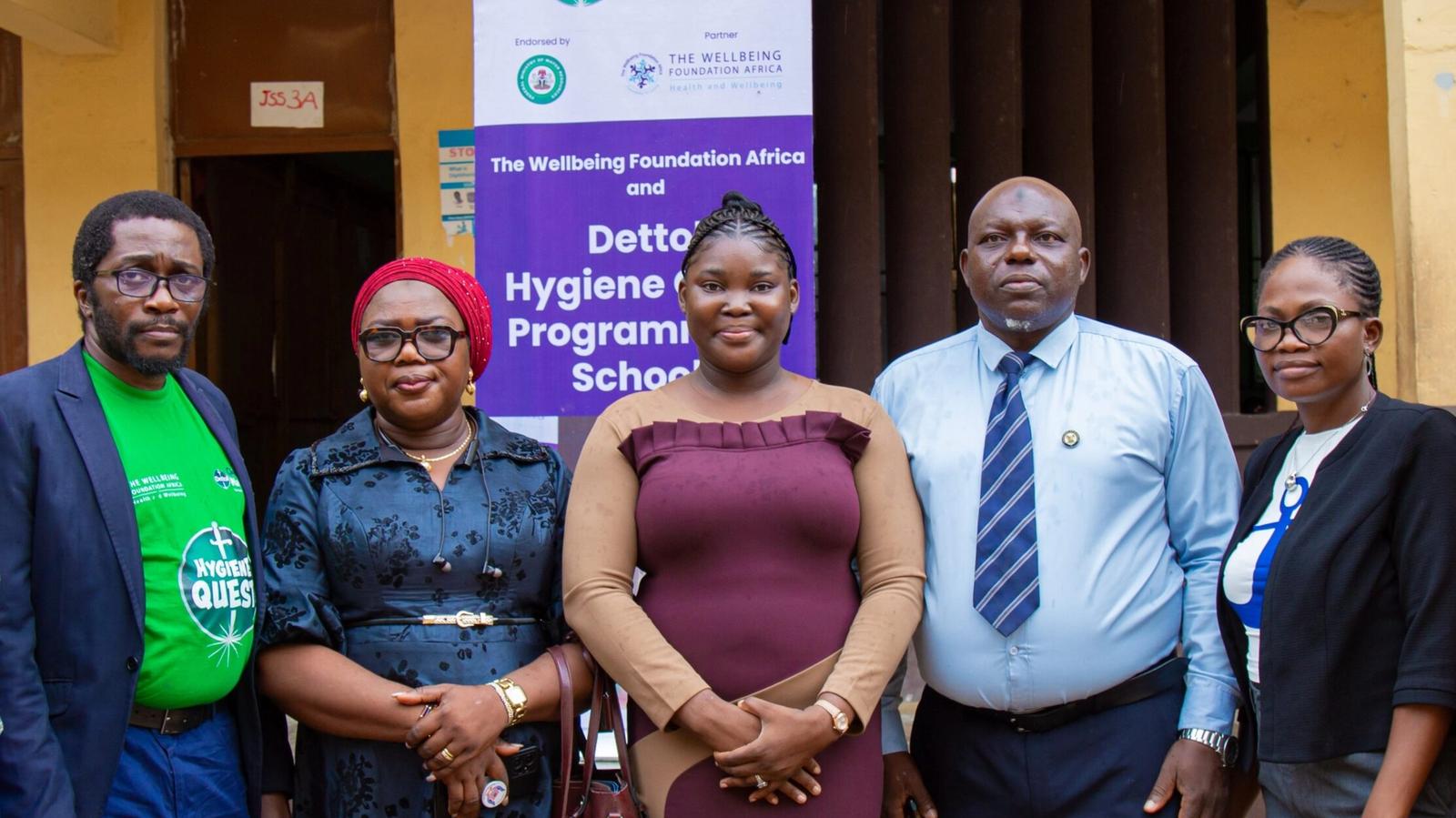
As Cassandra Uzo-Ogbugh, Head of External Affairs, Media, and Partnerships at Reckitt, aptly puts it, "when children learn healthy habits early, those habits can create a lasting impact far beyond the classroom." For thousands of Nigerian children like Adewole, a student at Eko Akete Junior Secondary School, Lagos Island, the Dettol Hygiene Quest initiative is a beacon of hope for a healthier future. The programme's aim to equip children and families with essential hygiene education and healthy living practices resonates deeply with Adewole's mother, who can attest to the devastating effects of hygiene-related illnesses on her community.
With its sights set on reaching 6 million schoolchildren by 2030, the Dettol Hygiene Quest initiative is taking a significant leap forward with Phase 3. This milestone phase promises to build on the programme's proven results, which have already impacted over 440,000 beneficiaries across 716 schools, 36 healthcare facilities, and 456 communities nationwide. Phase 3's ambitious targets include reaching more than 750,000 students, and 90,000 pregnant and new mothers through hygiene education and behavioral change programmes. The initiative's focus on sustainability is evident in its plan to reinforce awareness around proper handwashing and the use of trusted hygiene solutions like Dettol Original Antibacterial Bar Soap, which can provide up to 12-hours of protection against germs.
While the Dettol Hygiene Quest initiative is often celebrated for its efforts to promote hygiene education, the true impact of hygiene-related illnesses on Nigerian communities remains largely unseen. In Toluwase Abikoye's words, "hygiene-related illnesses can have a devastating impact on families and communities, leading to school absenteeism, reduced productivity, and increased healthcare costs." The initiative's aim to reduce diarrhoea cases by 10% and increase handwashing rates by 20% is a crucial step towards mitigating this toll. However, it is essential to acknowledge that these numbers represent real lives, families, and communities that are affected by hygiene-related illnesses every day.
As Cassandra Uzo-Ogbugh so eloquently puts it, "when children learn healthy habits early, those habits can create a lasting impact far beyond the classroom." The Dettol Hygiene Quest initiative's emphasis on early hygiene education is evidence of the programme's commitment to creating a lasting impact on Nigerian communities. By equipping children with the knowledge and skills to practice good hygiene, the initiative is empowering the next generation to create a healthier, more sustainable future for themselves and their communities.
In the next five years, I predict that the Dettol Hygiene Quest initiative will continue to make significant strides in promoting hygiene education and healthy living practices among Nigerian children and families. With its ambitious targets and proven results, the programme is well on its way to achieving its goal of reaching 6 million schoolchildren by 2030. As Toluwase Abikoye aptly puts it, "the programme's success is not just about reaching a number, but about creating a lasting impact on the lives of Nigerian children and families."
More stories you'll like

News
One of Hollywood's biggest stars 'spotted in Friends', but what's the truth?

News
Selena Gomez Says She's 'Done Playing' Alex Russo After 'Wizards Beyond Waverly Place' Finale: 'This Is the End'
News