News
Ekiti election preliminary report demonstrates orderly, functional process: KDI
A Test of Ekiti's Electoral Fortitude As the dust settles on Ekiti State's governorship election, one thing is clear: the process has been a complex, multifaceted dance of order and disorder.
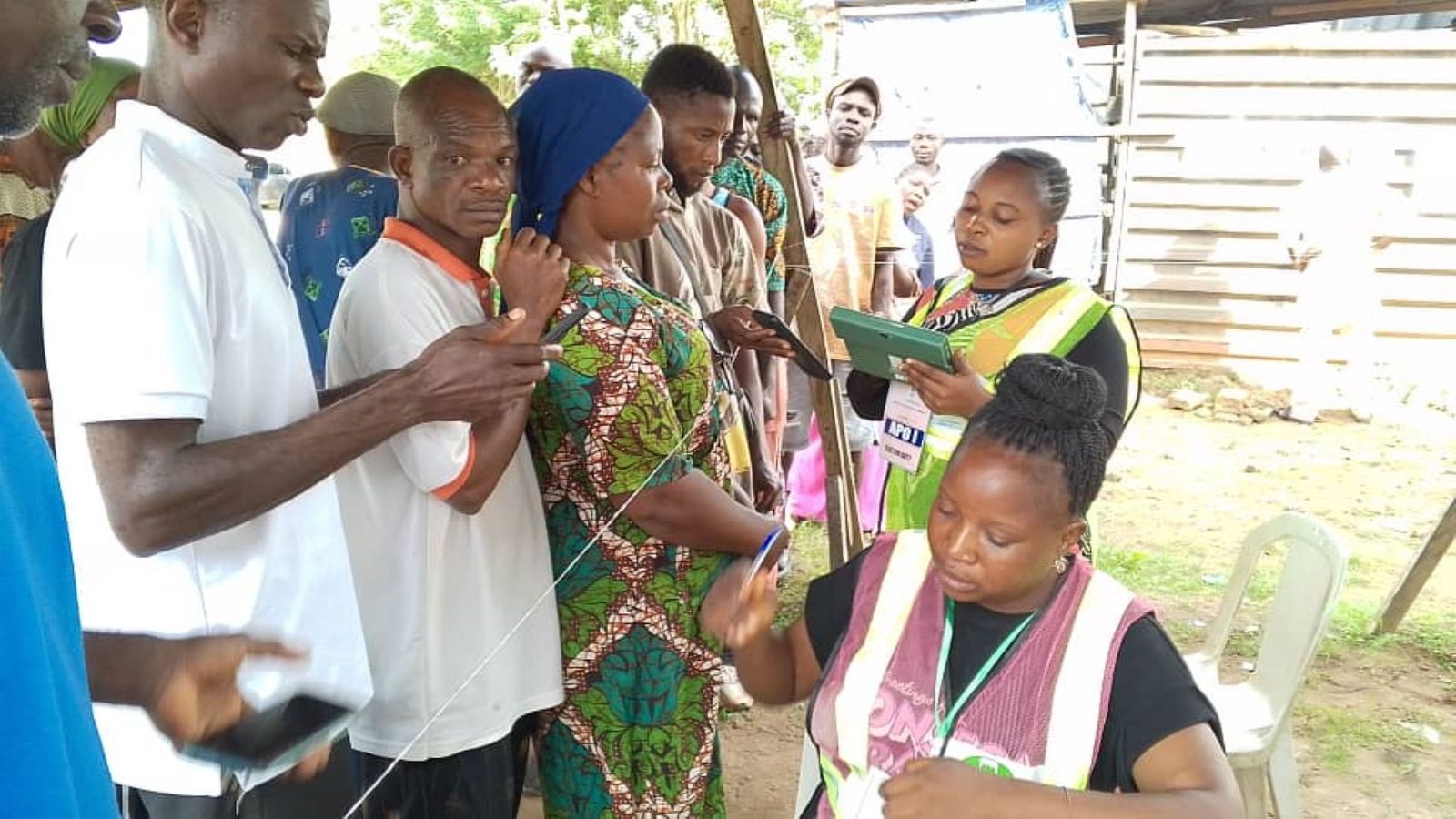
As the dust settles on Ekiti State's governorship election, one thing is clear: the process has been a complex, multifaceted dance of order and disorder. In Ado-Ekiti, the state capital, Bukola Idowu, Executive Director of the Impact Development Initiative (KDI), a civil society organisation monitoring the election, stood before journalists, painting a nuanced picture of the electoral process. According to her, preliminary findings from KDI's Election Day Data Room indicate that the poll has largely demonstrated an orderly and functional process. However, this smooth surface belies the operational vulnerabilities that have threatened to disrupt the proceedings.
The evidence suggests that the principal challenge facing election administration in Ekiti has not been the occurrence of isolated major disruptions but the cumulative impact of multiple smaller operational constraints across different parts of the state. This is a crucial distinction, one that underscores the inherent complexity of electoral processes. Idowu's statement highlights the delicate balance between order and disorder, a balance that is often precarious in the best of times. The fact that 52.3 per cent of polling units recorded early or on-time arrival of election officials, while 47.7 per cent experienced late arrival, based on the official benchmark of 7:30 a.m., speaks to the fragility of this balance.
The analysis of polling unit commencement times is equally telling. Using 8:45 a.m. As the benchmark for timely poll opening, KDI assessed the commencement of accreditation and voting. The results are striking: 84.0 per cent of polling units commenced voting on time, while 16.0 per cent started later than the benchmark. This suggests that while the process has been generally orderly, there are still areas for improvement. The fact that 16.0 per cent of polling units failed to meet the benchmark is a cause for concern, one that highlights the need for greater attention to detail in the electoral process.
Despite these operational challenges, observations from the field suggest that the election environment remained generally peaceful across the locations monitored. This is a welcome development, one that underscores the resilience of the Ekiti people in the face of adversity. However, it is essential to remember that peace is not the same as order. The fact that the election has been peaceful does not necessarily mean that the process has been flawless. As KDI continues to monitor the conduct of voting, voter experience, election security, ballot integrity, polling unit result management, and the collation process, it is crucial that we remain vigilant and continue to push for greater transparency and accountability.
In the coming days and weeks, KDI will release its final report, one that will integrate election-day observation with post-election verification and forensic analysis. This comprehensive assessment will provide a thorough evaluation of the integrity, inclusiveness, and credibility of the 2026 Ekiti State Governorship Election. As we await this report, it is essential that we remain committed to the principles of democracy and the rule of law. The people of Ekiti have spoken, and it is now up to us to ensure that their voices are heard and their votes counted.
- KDI received verified reports from 384 observation locations across the state regarding the arrival of election officials and materials.
- 52.3 per cent of polling units recorded early or on-time arrival of election officials.
- 84.0 per cent of polling units commenced voting on time, while 16.0 per cent started later than the benchmark.
As a writer, I am struck by the complexity of the electoral process in Ekiti. While the preliminary report suggests that the process has been generally orderly, the operational vulnerabilities that have threatened to disrupt the proceedings are a cause for concern. As we await KDI's final report, it is essential that we remain vigilant and continue to push for greater transparency and accountability in the electoral process.