News
Gladiator II didn't 'fail' but Russell Crowe is right about one thing
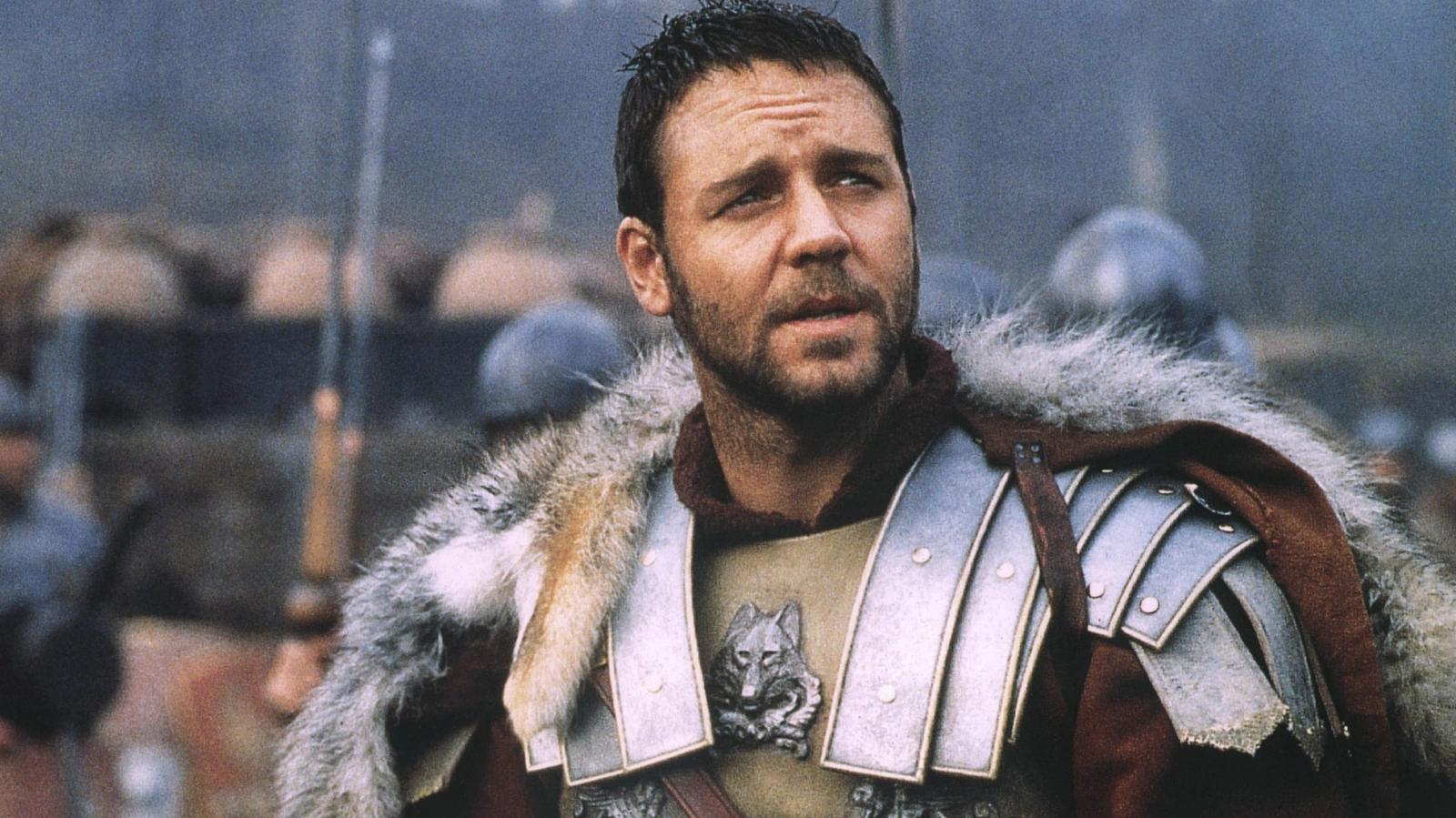
Gladiator II's box office performance may have been a mixed bag, but for Russell Crowe, the real issue lies in the sequel's ability to capture the essence of its predecessor. The actor, who won an Oscar for his portrayal of Maximus in the original film, recently expressed his dissatisfaction with the 2024 sequel, stating that it had "failed" to ignite audiences in the same way as the first. While I disagree with Crowe's assertion that the film was a failure, I believe he hits the nail on the head when it comes to the sequel's moral centre.
One of the main criticisms of Gladiator II is its inability to break free from the shadow of the original. The sequel's storyline, which follows the secret son of Maximus, Lucius Verus, played by Paul Mescal, feels like a rehashing of the same themes and plot points that made the first film a classic. This is a common problem with many sequels, which often struggle to find a balance between repetition and innovation. In the case of Gladiator II, the film's attempt to revisit the same cinematic territory that was so fertile in the first film feels like a missed opportunity.
So, what exactly is the moral core that Russell Crowe is referring to? In the original Gladiator, the film's protagonist, Maximus, is driven by a desire for vengeance against the corrupt Emperor Commodus, who murdered his family. This quest for justice is rooted in a deep sense of morality, which is something that the sequel seems to lack. While Lucius Verus's character is certainly complex and nuanced, his motivations and actions feel somewhat disconnected from the moral centre of the first film.
The lack of a clear moral core in Gladiator II is perhaps the most significant criticism of the film. Without a clear purpose or direction, the sequel feels aimless and meandering, struggling to find its footing in a crowded market. This is a shame, given the potential of the story and the talent involved. Ridley Scott, the director of the original film, has a reputation for crafting complex and thought-provoking stories, but even he seems to have been unable to recapture the magic of the first film.
As the film industry continues to evolve and adapt to changing consumer habits, it's clear that sequels will always be a risk. However, by focusing on the moral core of a story and creating a clear purpose and direction, filmmakers can avoid the pitfalls of repetition and instead create something truly special. I predict that future sequels will prioritize this approach, recognizing the importance of a strong moral core in creating a compelling and engaging story.
In the end, Russell Crowe may be right that Gladiator II lacked a moral core, but I believe that this is a criticism that can be applied to many sequels. By prioritizing the moral centre of a story, filmmakers can create something truly special, something that will leave audiences talking long after the credits roll.