News
Google's Alex Okosi on what's holding back Africa's AI startups
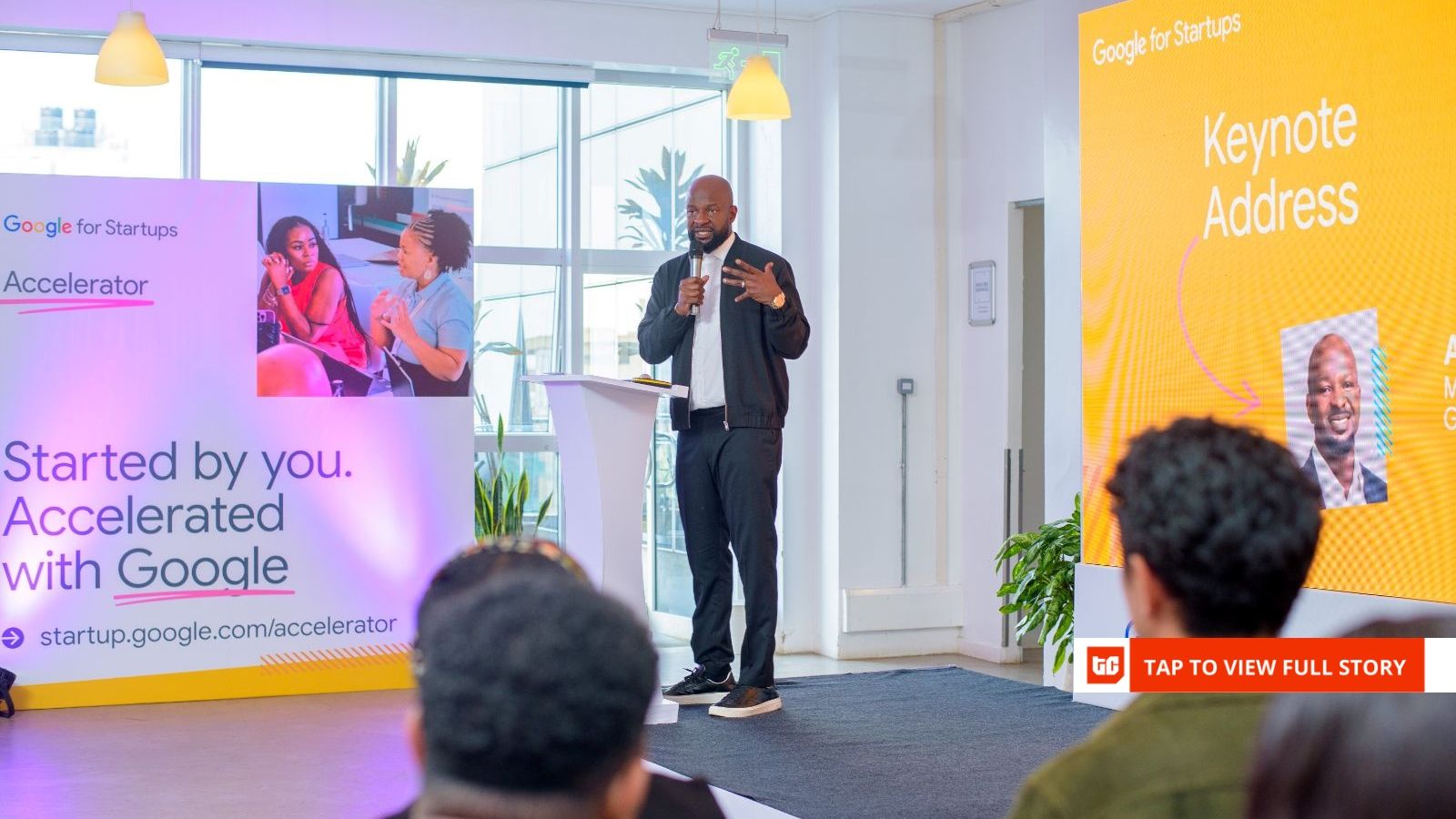
Alex Okosi, Google's managing director for Africa, watched with pride as 15 startups from eight African countries graduated from the Google for Startups Accelerator Africa programme in Nairobi. Among these startups were companies like Mastery Hive, which was using machine learning to detect fraud across fragmented networks, and Loop in South Africa, which was optimising a complex transit network and managing worker payments with the help of AI. The cohort was evidence of the growing adoption of artificial intelligence (AI) in Africa, but Okosi knew that the continent still had a long way to go in harnessing its full potential.
AI could add as much as $1.5 trillion to Africa's economy by 2035, according to projections from the African Development Bank. The technology had the potential to generate hundreds of thousands of jobs and significantly lift labour productivity across key sectors. However, the infrastructure and capital needed to scale these businesses remained in short supply. Okosi argued that investment in AI had not kept pace with its adoption, leaving a gap that risked limiting Africa's ability to capture the economic value created by the technology.
While African startups had already begun to build AI-powered products and services, the continent still faced significant challenges in terms of cloud infrastructure, data centre capacity, and funding. These constraints were not unique to Africa, but they were particularly pronounced on the continent. Okosi pointed to the example of Mastery Hive, which was using machine learning to detect fraud across fragmented networks, as evidence of the potential of AI in Africa. However, he also acknowledged that the company's success was not just due to its technology, but also to the support it had received from Google and other partners.
The African Development Bank estimated that AI could generate hundreds of thousands of jobs and significantly lift labour productivity across key sectors. However, this would require governments and private sector players to move fast enough to deploy AI at scale. Okosi argued that this was a challenge that required a collective effort, with both governments and private sector players working together to create an enabling environment for AI adoption.
As Africa's AI moment arrived, or rather, continued to unfold, Okosi's words served as a reminder that the continent still had a long way to go. The infrastructure and capital needed to scale AI-powered businesses remained in short supply, and the continent needed to move fast enough to deploy AI at scale. However, with the right support and investment, AI could unlock the continent's full potential and create a brighter future for millions of Africans.
- Google's AI for Startups Accelerator Africa programme graduated 15 startups from eight African countries in Nairobi
- 60% of the cohort is already profitable, generating an average of $60,000 in monthly revenue
- AI could add as much as $1.5 trillion to Africa's economy by 2035, according to projections from the African Development Bank
- The technology could generate hundreds of thousands of jobs and significantly lift labour productivity across key sectors
As I reflect on Okosi's words, I am reminded of the vast potential of AI in Africa. While the continent has made significant progress in adopting the technology, there is still much work to be done to unlock its full potential. With the right support and investment, AI could be the catalyst for economic growth and transformation that Africa needs. But it will require a collective effort from governments, private sector players, and startups to create an enabling environment for AI adoption. The future is uncertain, but one thing is clear: Africa's AI moment has arrived, and it's time to seize it.