News
How AI is breaking banking's old employment model
The banking industry in Kenya and beyond is facing a significant disruption, one that threatens the traditional employment model that has long been a cornerstone of the sector.
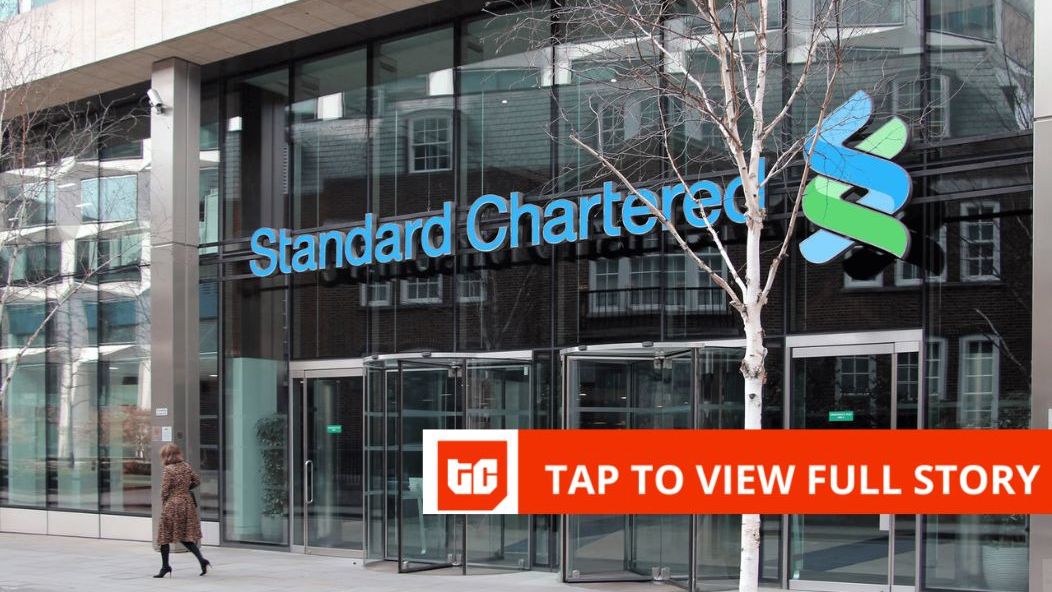
The banking industry in Kenya and beyond is facing a significant disruption, one that threatens the traditional employment model that has long been a cornerstone of the sector. Banking jobs have traditionally carried a certain social prestige, thanks to stable salaries, pension plans, and the confidence that comes with working in a sector deemed too important to shrink. However, the proliferation of artificial intelligence (AI) is rewriting this promise, forcing banks to re-think their workforce and operations.
Standard Chartered Kenya (StanChart) is a prime example of this shift. In 2013, the bank had over 2,200 employees, but by the end of 2025, its workforce had fallen below 1,000 for the first time in history. The bank's parent company has signaled that these cuts are not temporary, but part of a new strategic focus. During an investor event in Hong Kong on May 19, the British bank said it plans to cut more than 15% of its support-function staff by 2030.
These shifts at Stanchart signal a re-pricing of labor inside Africa's banking sector. The work that used to justify thousands of entry- and mid-level roles is now being done by systems that are cheaper and involve far fewer people. The bank is moving toward a "simple, connected and fast" operating model, in which every task is assigned to automation, AI-assisted workflows, or humans. By 2027, the bank expects 90% of key technology controls to be continuously monitored by AI, while 80% of controls will be fully codified into executable rules.
- AI use cases: over 300, including 43 high-impact generative AI applications
- Staff trained on Microsoft Copilot: about 85,000
- AI document processing accuracy: targeted at 95% (up from 85%)
The shift to AI in banking is not just about reducing costs; it's about redefining the role of humans in the sector. As Standard Chartered moves to automate more processes, the bank is creating a new type of workforce that is more focused on high-value tasks that require human judgment and creativity. This is a significant shift, one that will require banks to re-think their talent acquisition and retention strategies.
The banking industry in Kenya and beyond is at a crossroads. The proliferation of AI is forcing banks to re-think their workforce and operations, creating new opportunities for innovation and growth. As banks like Standard Chartered continue to invest in AI and automation, the sector will need to adapt to a new reality, one in which humans and machines work together to deliver faster execution and clear financial outcomes.
More stories you'll like

News
One of Hollywood's biggest stars 'spotted in Friends', but what's the truth?

News
Selena Gomez Says She's 'Done Playing' Alex Russo After 'Wizards Beyond Waverly Place' Finale: 'This Is the End'

News