News
'Legendary' BBC News moment as teenager is interviewed live over social media ban
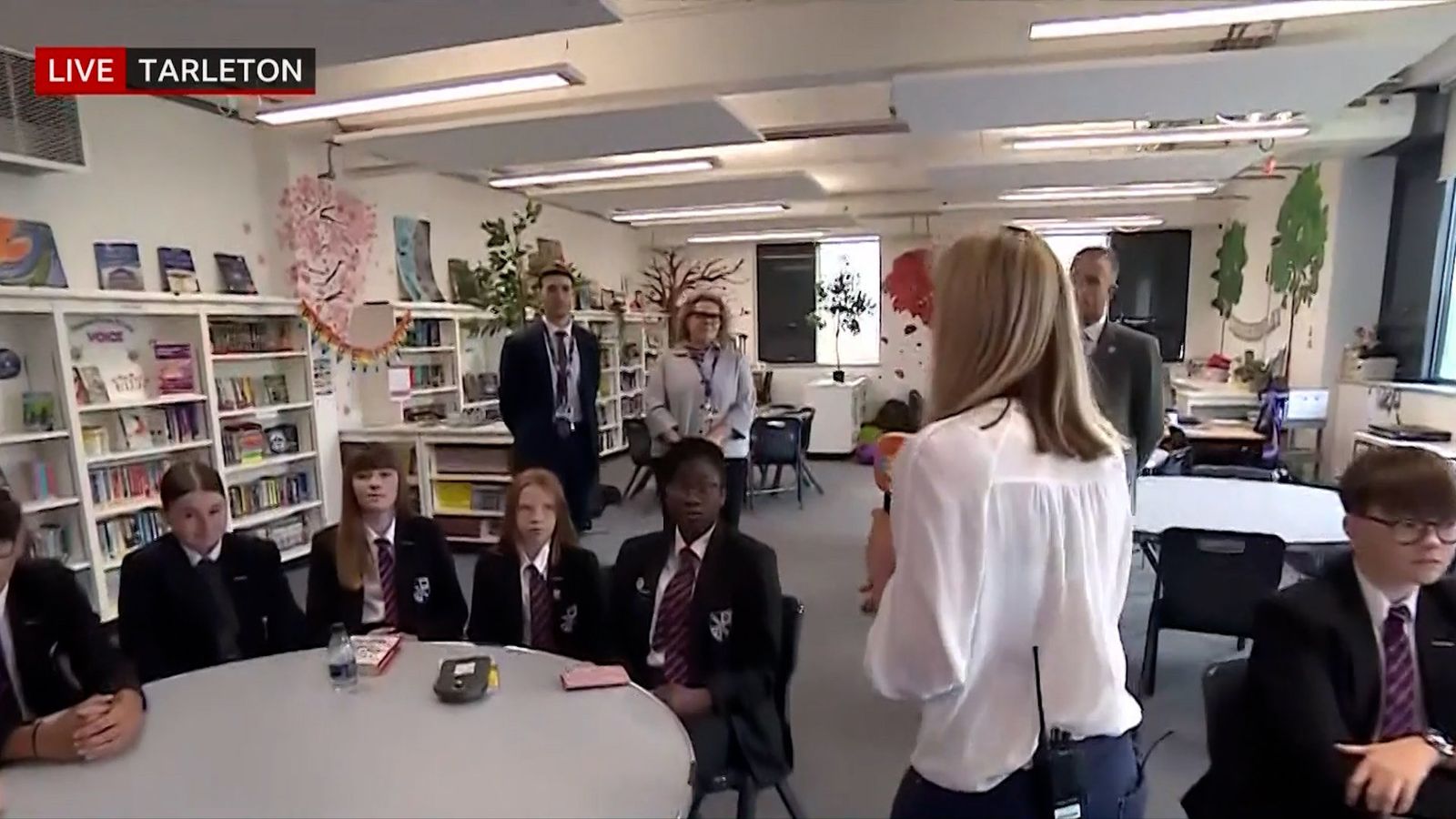
For Isabella, a 13-year-old student at Tarleton Academy in Lancashire, the government's plan to ban social media for children under 16 is not just a policy decision, but a reality check on her daily life. Her witty response to BBC News journalist Fiona Lamdin's question about what she would do with her spare time has gone viral, sparking a mix of amusement and concern among social media users. But beneath the humour lies a serious issue: how will this ban affect teenagers like Isabella, who have grown up with social media as an integral part of their lives?
The UK government's decision to ban social media for children under 16 is a significant move, one that will undoubtedly impact the lives of millions of teenagers like Isabella. The ban, which will come into force at the beginning of 2027, marks a shift in the government's approach to social media regulation. While some may see this as a positive step towards protecting children from the potential harms of social media, others will argue that it is an overreach of government power. For Isabella and her peers, the ban represents a loss of autonomy and freedom, as they are no longer able to access a platform that has been a central part of their lives for years.
Tarleton Academy's phone-free policy, which involves students putting their phones in a locked pouch during the school day, is a rare example of a school that has taken proactive steps to minimize student screen time. However, for Isabella and her friends, the ban goes beyond the school gates. Their screen time is not just limited to school hours, but also extends to their free time, where they use social media to connect with friends and family. Without access to social media, Isabella fears that she will be unable to contact her friends, a concern that will likely be shared by many of her peers. The question remains: what will teenagers like Isabella do with their spare time now that social media is off the table?
While Isabella's response may have been tongue-in-cheek, it highlights a deeper issue: the ban is not a solution to the problems of social media addiction and online harassment. Instead, it may perpetuate a culture of secrecy and rebellion, where teenagers turn to alternative means of accessing social media. Additionally, the ban may disproportionately affect disadvantaged communities, where access to technology and the internet may be limited. These are concerns that policymakers will need to address as they move forward with the ban.
In the short term, the ban will likely lead to a decrease in social media usage among teenagers. However, in the long term, it may lead to a more nuanced discussion about social media regulation and the role of government in regulating online activities. As teenagers like Isabella adapt to a phone-free life, they will likely find alternative ways to connect with their friends and family, potentially leading to a shift in the way we think about social media and its role in our lives.
Isabella's response may have been humorous, but it highlights a serious issue: the ban on social media for children under 16 is not just a policy decision, but a reality check on the lives of teenagers like her. As the ban comes into force at the beginning of 2027, policymakers will need to address the consequences of this decision and ensure that it does not disproportionately affect disadvantaged communities. Ultimately, the ban may lead to a more nuanced discussion about social media regulation and the role of government in regulating online activities.