News
Listeners prefer AI voices, claim two studies
Listeners Prefer AI Voices, But What's Behind This Shift? For many Nigerian audiobook listeners, the sound of a human narrator is synonymous with trust and authenticity.
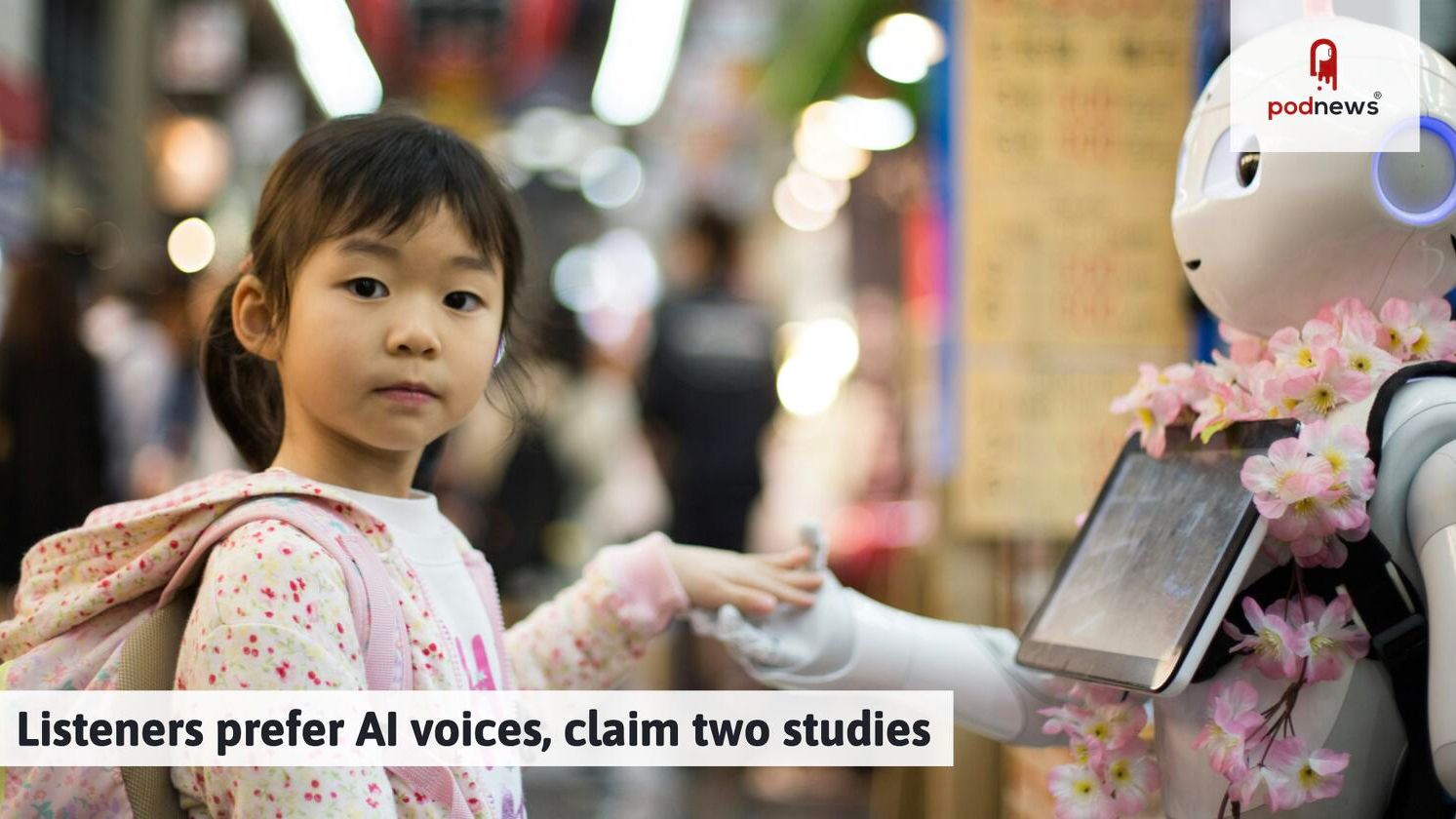
For many Nigerian audiobook listeners, the sound of a human narrator is synonymous with trust and authenticity. Yet, a recent study by Edison Research at SSRS has revealed that 61% of listeners believed an AI narrator to be human. This finding is not an isolated incident, with a separate study by Differentology conducted for Azerion also indicating that AI-generated voices can be beneficial for brands. The implications of these findings are significant, particularly in a country like Nigeria where audio content consumption is on the rise.
The Edison Research study blind-tested Spoken Multi-Cast narration, discovering that while 31% of listeners initially said they'd be likely to listen to AI, this number rose to 65% after they had listened. This suggests that listeners are willing to give AI voices a chance, but it's the actual listening experience that ultimately wins them over. The Differentology study, on the other hand, found that recommendations rose threefold when people heard voices with a regional accent matched to their location. This is a crucial finding, as it highlights the importance of localization in AI voice design.
The preference for AI voices can be attributed to several factors, including convenience and the desire for personalization. In a country like Nigeria, where internet penetration is increasing rapidly, consumers are becoming more accustomed to interacting with AI-powered services. The rise of voice assistants like Google Assistant and Amazon Alexa has also contributed to this shift, making it more acceptable for listeners to engage with AI voices. Furthermore, the ability to tailor AI voices to specific accents and regions can help brands connect with their target audience on a more personal level.
The growth of AI-powered voices has significant implications for the podcasting industry, particularly in Nigeria where the market is still in its infancy. With the rise of AI-generated voices, podcasters can now create content that is more engaging and personalized to their audience. This can lead to increased listener loyalty and a higher likelihood of recommendations. However, it's essential to note that the quality of AI voices is still a concern, with some listeners expressing dissatisfaction with the unnatural sound of AI narration.
As AI-generated voices continue to gain traction, it's likely that we'll see a significant shift in the way audio content is created and consumed. With the ability to tailor voices to specific accents and regions, brands can now create content that resonates with their target audience on a more personal level. However, it's essential to strike a balance between the use of AI voices and the need for human touch. After all, as a Nigerian proverb goes, "a voice without a face is like a song without a melody."
The future of audio content looks bright, with AI-generated voices set to play a significant role in shaping the industry. As listeners become increasingly accustomed to interacting with AI-powered services, it's likely that we'll see a rise in the adoption of AI voices in various forms of media. For Nigerian podcasters, this presents both an opportunity and a challenge, as they navigate the changing landscape of audio content creation.