News
Mercy Erhiawarien left Africa. She returned convinced it is the future
A Transatlantic Perspective on Africa's Future Mercy Erhiawarien's story is evidence of the power of a transatlantic perspective in shaping one's vision for Africa's future.
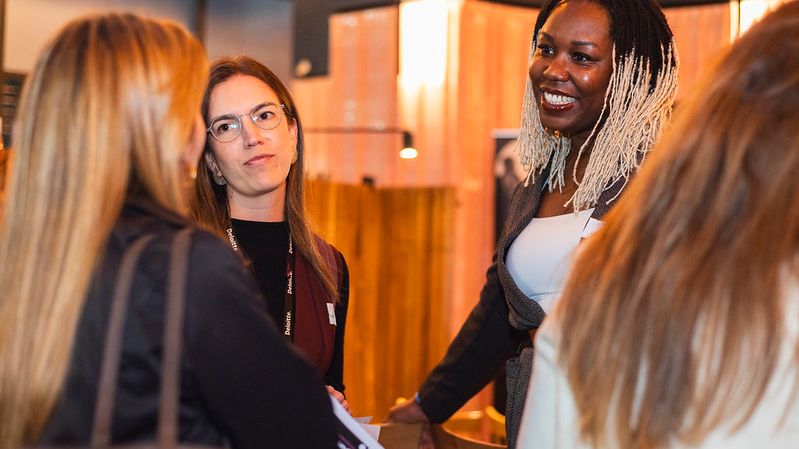
Mercy Erhiawarien's story is evidence of the power of a transatlantic perspective in shaping one's vision for Africa's future. Born in Nigeria's Delta State, she grew up moving between two worlds: the United States, where she was largely raised, and Africa, where her roots run deep. This dichotomy has gifted her with a unique understanding of the continent's complexities, and a conviction that opportunity exists in places where people rarely look.
When Mercy Erhiawarien left Africa, she was convinced that it was a continent in dire need of transformation. But her experiences abroad only reinforced her attachment to the continent, and sharpened her understanding of its potential. Her father's stories of growing up in a rural village before becoming an accountant instilled in her a conviction that where someone is born should never determine what they can become. This philosophy is at the heart of her work as Head of International Programmes at Halcyon, a nonprofit startup accelerator.
Fast forward to today, and Mercy Erhiawarien has returned to Africa convinced that it is the future. Her experiences in Nairobi, where she currently resides, have only solidified her conviction. She loves the city's greenery, its vibrancy, and its Kizomba dance culture. But what really sets Nairobi apart is its potential to become a hub for ideas on how to grow the continent. Kenya has done a solid job of centering itself in this way, and Mercy Erhiawarien sees Nairobi as one of the key cities driving this movement.
So what does Mercy Erhiawarien envision for Africa's future? She dreams of financial instruments that give founders the confidence to take risks, neighbourhoods protected from speculative capital, and an Africa whose greatest export is opportunity. This is a vision that requires patient capital, and a willingness to think outside the box. It's a vision that requires a deep understanding of the continent's complexities, and a willingness to learn from its experiences.
But what about Lagos, the city that is home to Mercy Erhiawarien's heart? While she loves the city's energy and its role as the heartbeat of Nigeria, she also acknowledges its challenges. When it's cold in Nairobi, she prefers Lagos for its warmth, and when it's too hot in Lagos, she prefers Nairobi for its cool climate. This is a pragmatic approach, one that recognizes the complexities of Africa's climate and geography.
As Mercy Erhiawarien looks to the future, she is confident that Africa will become a hub for innovation and entrepreneurship. She sees Nairobi as a key player in this movement, and is excited about the potential for the city to become a centre for ideas on how to grow the continent. But this will require patient capital, and a willingness to think outside the box. It's a vision that requires a deep understanding of the continent's complexities, and a willingness to learn from its experiences.
In the end, Mercy Erhiawarien's story is a reminder that Africa's future is not just about economic growth, but about creating a continent where opportunity exists for all. It's a vision that requires patience, persistence, and a willingness to think outside the box. As Africa looks to the future, it's a vision that we would do well to remember.