Politics
Peter Obi: You can change Nigeria in 4 years, I'm committed to one term, can even sign legally binding affidavit
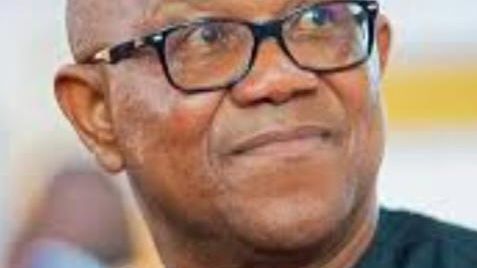
At the heart of Nigeria's tumultuous politics is Peter Obi, a man who has been at the centre of the country's most pressing issues for over two decades. With his latest declaration that he will serve only one term as president, Obi has set the stage for a seismic shift in the country's governance landscape. Can he really change Nigeria in four years?
According to Obi, the primary responsibility of any government is to protect lives and property, and he has outlined a comprehensive plan to tackle insecurity, which he believes cannot be solved by military force alone. He has also emphasized the need for improved intelligence, better coordination among security agencies, modern technology, proper welfare for security personnel, and a deliberate effort to address poverty, unemployment, and hopelessness. On the economy, Obi has proposed a shift from consumption to production by investing in agriculture, manufacturing, and small businesses, with a focus on reducing the cost of governance, eliminating waste, blocking leakages, and creating an environment where businesses can thrive.
Obi's economic philosophy is straightforward, and he has used a compelling example from Bangladesh to illustrate his point. Despite having a land mass of only about one-sixth that of Nigeria and a much higher population density, Bangladesh produces roughly ten times more rice than Nigeria. Obi believes that Northern Nigeria, with its vast expanses of fertile land, has the potential to become the food basket of Africa, if properly managed. He has proposed investing in modern agriculture, expanding irrigation, improving rural infrastructure, and guaranteeing farmers access to finance and markets.
Obi's commitment to serving only one term has been hailed by many as a breath of fresh air in Nigeria's politics. In a country where governance is often characterized by a culture of incumbency, where presidents and governors often cling to power for far too long, Obi's pledge could redefine the country's politics. It also raises questions about the feasibility of his plans and whether he can deliver on his promises within the four-year timeframe.
Obi's one-term pledge also has broader implications for the country's politics, particularly in the context of the 2027 presidential election. With many politicians in Nigeria often holding onto power for too long, Obi's commitment to serving only one term could set a new precedent for future leaders. It also raises questions about the role of the party in Nigeria's politics, particularly the Labour Party, which Obi is likely to run under.
Based on Obi's economic philosophy and his plans to tackle insecurity, I believe that he has a good chance of succeeding in changing Nigeria in four years. His commitment to serving only one term is a notable step that could redefine the country's politics, and his experience as a former governor of Anambra State gives him an edge in terms of governance. However, the success of his plans will ultimately depend on his ability to execute them effectively, and whether he can navigate the complex web of Nigeria's politics.