News
Petlong Dakhling: The Nigerian Face of The Climate Change Crisis
The Human Cost of Climate Change in Nigeria Amaro, a fisherwoman in Bayelsa, wakes before dawn each morning to check the water line near her home.
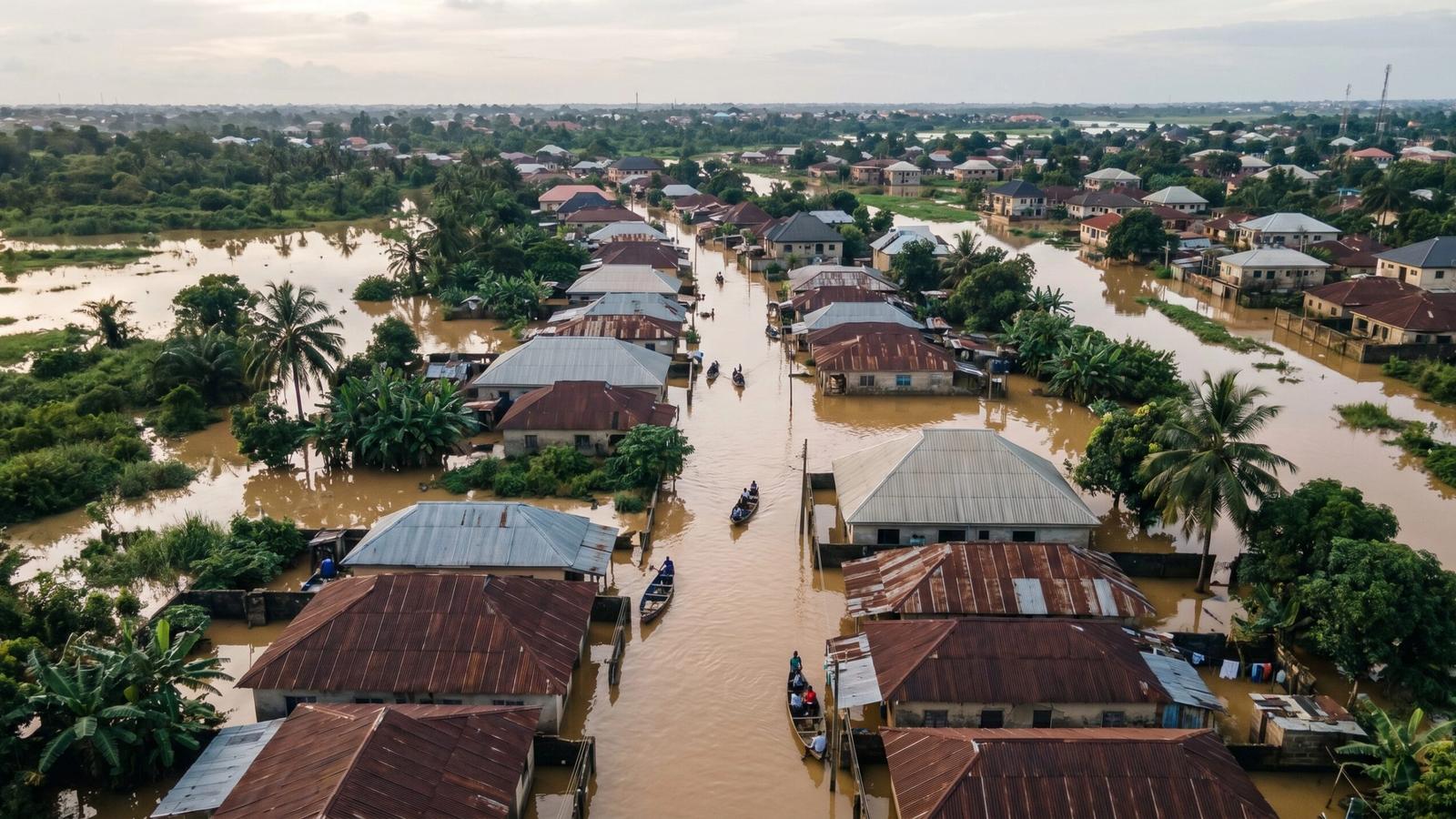
Amaro, a fisherwoman in Bayelsa, wakes before dawn each morning to check the water line near her home. Her children ask her why the sea is eating their land, and she has no answer. This is the reality of climate change in Nigeria, where the crisis is no longer a distant threat but an everyday disruption to lives, livelihoods, and entire communities. Longji, a farmer in Plateau, has seen the rains come late and sometimes not at all, washing away his crops and threatening his family's survival. Climate change is reshaping Nigeria, and its people are paying the price.
Climate change in Nigeria is not just an environmental crisis; it's a human rights issue. Families are forced to relocate, sometimes to overcrowded cities, sometimes to displacement camps far from the lives they once knew. The Niger Delta, already burdened by decades of oil pollution, now faces the added pressure of climate change. Coastal erosion and rising sea levels are swallowing homes, farmland, and fishing communities. Amaro's story is a stark reminder that climate change is not just a distant threat but a reality that's already being felt by millions of Nigerians.
In Plateau and across the wider Middle Belt, the story is about land, water, and survival. Farmers and herders who once coexisted are now competing over shrinking resources. As grazing routes become less reliable and water sources dry up, tensions rise. Climate stress is not the sole cause of violence, but it has become a powerful accelerator. Families are forced to move, sometimes to areas where they're not welcome, exacerbating ethnic tensions and further destabilizing the region. Longji's story highlights the human cost of climate change in Nigeria, where the crisis is not just about the environment but about people's lives and livelihoods.
In Lagos, the climate crisis is no longer unusual. Flooding is no longer unusual. After hours of rainfall, roads disappear beneath brown water. Markets shut down. Cars and buses stall in traffic that stretches for hours. A single flood can mean lost income, damaged property, and exposure to cholera and malaria. The climate crisis in Nigeria is about who carries the heaviest burden when systems fail. For millions of Nigerians, climate change is not an environmental theory; it's a disruption woven into everyday life. When wells dry up, families travel long distances to fetch water, and when the rains fail, crops wither and die.
The Nigerian government has been criticized for its slow response to the climate crisis. While there have been some efforts to address the issue, they're often inadequate and poorly coordinated. The government needs to do more to support affected communities, invest in climate-resilient infrastructure, and promote sustainable agriculture practices. The climate crisis in Nigeria is not just a natural disaster; it's a man-made crisis that requires a human-centered response.
Nigeria has a choice to make: it can continue to respond to the climate crisis reactively or take proactive steps to build a climate-resilient nation. The country needs to invest in renewable energy, promote sustainable agriculture practices, and support affected communities in their efforts to adapt to the changing climate. The future of Nigeria is uncertain, but one thing is clear: the climate crisis is here to stay, and Nigerians will continue to bear the brunt of its impact unless the government takes decisive action.
The climate crisis in Nigeria is not just a distant threat; it's a reality that's already being felt by millions of people. Amaro's story is a stark reminder that climate change is not just an environmental issue but a human rights crisis that requires a human-centered response. The Nigerian government needs to take decisive action to support affected communities, invest in climate-resilient infrastructure, and promote sustainable agriculture practices. The future of Nigeria depends on it.