Politics
Vince Staples Addresses Theory That 'Cry Baby' Artwork Represents Donald Trump: 'I See a Lot of Conversation'
For Vince Staples, the creation of his latest album 'Cry Baby' has been met with a mix of intrigue and controversy.
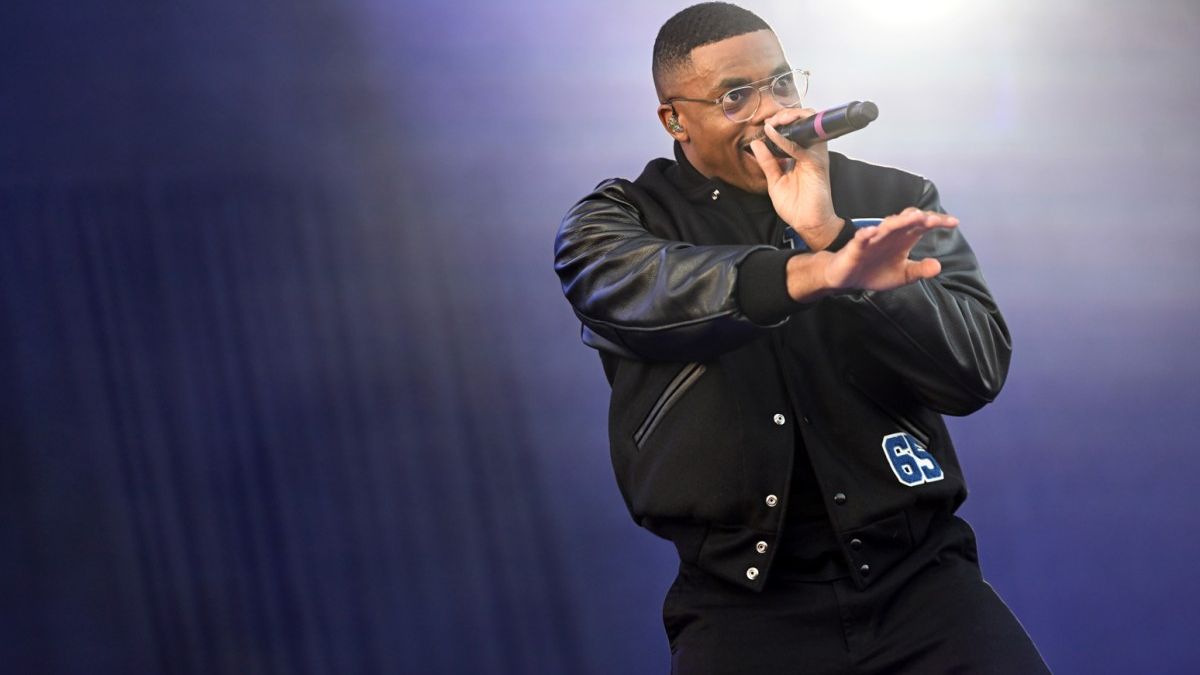
For Vince Staples, the creation of his latest album 'Cry Baby' has been met with a mix of intrigue and controversy. The Long Beach rapper, at the center of this storm, has had to address the elephant in the room, the album cover that features a blonde-haired white baby crying while wearing an American flag diaper. To some, this image has been interpreted as a representation of Donald Trump, but Staples is quick to dispel such notions, instead choosing to focus on the broader context of the artwork.
The Cry Baby album cover, as explained by Staples, is not a personal attack on any individual but rather a commentary on the socio-political systems we've created and continue to perpetuate. By depicting a baby wearing an American flag diaper, Staples is highlighting the irony of our society's tendency to adopt and complain about these systems simultaneously. This is a theme that resonates throughout the album, as Staples delves into the various ways we contribute to these systems without necessarily wanting to break free from them.
The conversation surrounding the Cry Baby album cover has been intense, with fans and critics alike weighing in on its meaning. Released on June 5, the album has sparked a heated debate about its genre-bending sound and the politically charged subject matter. With fans split on the album's direction, it's clear that Staples' message is not being lost on his audience. In fact, the album's alternative leanings have been a subject of interest, with many praising Staples for pushing the boundaries of hip-hop.
Staples' frustration with the music industry is well-documented, dating back to his early experiments with different genres on his Hell Can Wait EP and Big Fish Theory album. He's spoken out against the industry's tendency to pigeonhole artists into specific genres, with "You can't make this, you gotta do straight hip-hop, it's gonna translate better with your audience" being a particularly scathing critique. This sentiment is echoed in his recent performance at the El Rey Theatre in L.A., where he expressed his disdain for the industry's emphasis on press runs and marketing over musical substance.
As the music industry continues to evolve, it's clear that authenticity is becoming a major factor in an artist's success. With the rise of independent labels and alternative platforms, artists like Staples are finding it easier to push the boundaries of what's acceptable in hip-hop. This shift towards authenticity is not only refreshing but also necessary, as it allows artists to express themselves freely without the constraints of industry expectations.
As the conversation surrounding Cry Baby continues, it will be interesting to see how Staples' message resonates with his audience. With his commitment to authenticity and his willingness to push the boundaries of hip-hop, it's clear that Staples is on a mission to create music that truly represents him. As he continues to navigate the ever-changing landscape of the music industry, one thing is certain, Staples' voice will be heard, and his message will not be silenced.
In the end, Cry Baby is more than just an album, it's a reflection of our collective guilt and a commentary on the systems we've created. As Staples continues to create music that challenges the status quo, it's clear that his message will continue to resonate with fans and critics alike.