News
What Ruto's meeting with Sam Altman tells us about Kenya's AI ambitions
Kenya's AI Ambitions: A Conversation Without Substance?
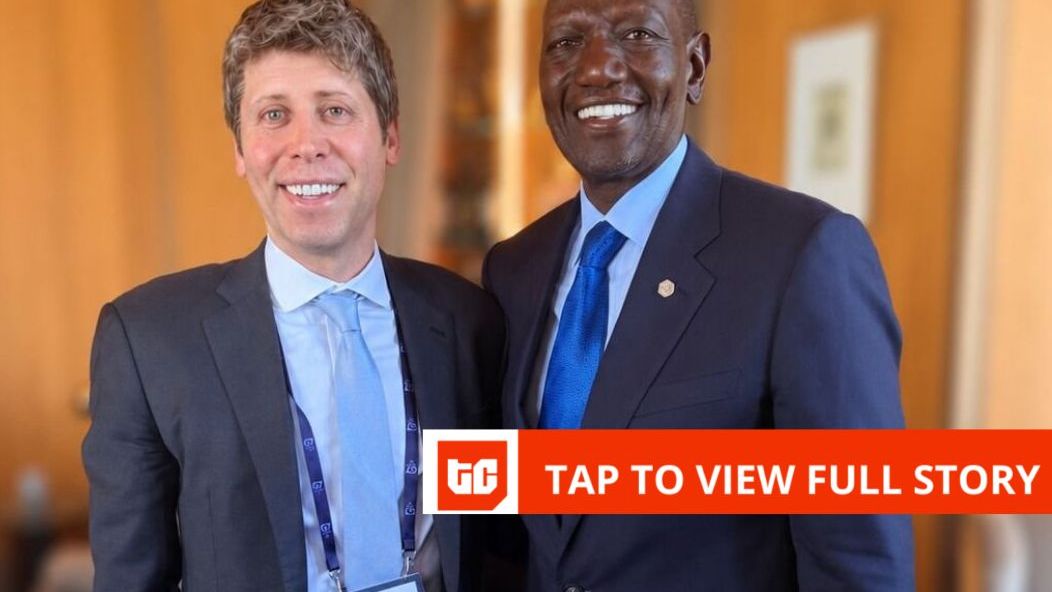
As President William Ruto announced that he had met with OpenAI chief executive Sam Altman to discuss establishing Nairobi as the home of the first OpenAI Academy initiative in Eastern Africa, many in Kenya celebrated the meeting as if it were a done deal. They saw this as a major step towards positioning Kenya as Africa's artificial intelligence (AI) capital. But beneath the pomp and circumstance, is this meeting more than just a symbolic gesture? What does it really mean for Kenya's AI ambitions?
The politics of grand announcements are at play here. President Ruto's statement on X didn't provide any investment figure, agreement, or timelines. Instead, it described discussions around potential collaboration, a phrase broad enough to include anything from a series of online workshops to a permanent institutional presence. This ambiguity raises questions about Kenya's place in the AI economy. At this point in AI development, Africa seems to be chasing symbolism almost as aggressively as it is chasing infrastructure. Governments celebrate meetings with Silicon Valley executives, Big Tech firms announce training programmes, and policymakers talk about positioning their countries as AI hubs. The conversation has become increasingly aspirational.
The world's AI race is currently being fought through three scarce resources: compute, capital, and talent. Developed economies such as the United States (US) and China dominate these fronts. Most African countries, including Kenya, possess relatively little of that infrastructure. It's no surprise, then, that education has suddenly become the centrepiece of AI diplomacy. Training programmes are cheaper than building data centres. They create goodwill, generate headlines that most politicians like, and produce outcomes in the form of graduates and certificates. They also allow governments to show participation in the AI revolution without committing public resources.
OpenAI understands this strategy. In recent years, the company has used education as part of its global expansion strategy, including in India, Greece, Italy, and Jordan. Every developer trained on its models becomes a potential long-term user, while every university partnership generates buzz and attracts top talent. It's a smart move, but one that raises questions about the substance behind Kenya's AI ambitions. Is this meeting with Sam Altman just a PR stunt, or is there more to it?
I predict that Kenya's AI ambitions will remain unfulfilled unless the country addresses the fundamental issues holding it back. Until Kenya builds its infrastructure, attracts top talent, and invests in research and development, it will continue to chase symbolism rather than substance. The meeting with Sam Altman may generate headlines, but it won't move the needle.