News
Why more Lesotho migrant workers are choosing fintechs to send money home
The Remittance Gap Widens For Mampe Seema, a 53-year-old Johannesburg-based domestic worker, sending money to her family in Lesotho has become a daunting task.
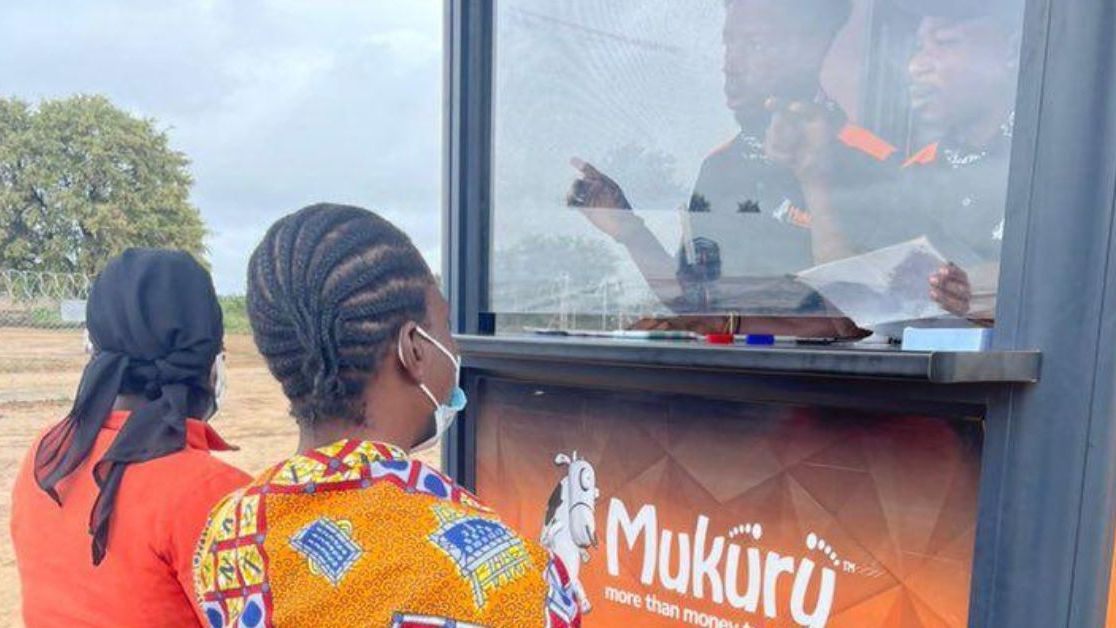
For Mampe Seema, a 53-year-old Johannesburg-based domestic worker, sending money to her family in Lesotho has become a daunting task. Every month, she remits part of her salary to cover school fees, groceries, and household expenses. The added complexity of the banking process has Seema worried that her family might not receive the money when they need it most. She opted for Mukuru after a friend recommended it, and the registration process was straightforward. Seema is among the growing number of the estimated 400,000 Basotho migrants in South Africa turning to fintechs like Mukuru, Sasai, Ria Money, and hello Paisa for cross-border payments.
The shift to fintechs is a direct result of the South Africa Reserve Bank's (SARB) changes affecting low-value cross-border electronic fund transfers (EFTs) within the Common Monetary Area (CMA) in 2025. The measures introduced stricter processing and verification requirements for some transactions, designed to strengthen anti-money laundering controls, reduce illicit financial flows, and improve compliance with international financial standards. While the changes aim to improve oversight of the financial system, they have added friction for some consumers accustomed to moving money between South Africa and Lesotho with minimal documentation.
Fintechs like Mukuru are capitalizing on the regulatory changes to attract new customers who previously relied on traditional banking channels. The company, which serves over 17 million across Africa, Europe, Asia, and North America, claims that the SARB's ban on EFTs to CMA countries has led to an influx of new customers. Mukuru's expansion into the Lesotho market is not isolated; Mama Money, Shoprite, and Nedbank's Zaca have also entered the market. Historically, Mukuru focused on serving unbanked customers, but the regulatory changes have opened up new opportunities for the fintech.
The shift to fintechs has significant implications for Lesotho, where remittances account for almost 20.9% of the country's GDP. The 400,000 Basotho living and working in South Africa make up about 11% of the country's immigrant population. For Seema and her family, the added complexity of the banking process has created uncertainty about when they will receive the money they need. The regulatory changes have created a remittance gap that fintechs are filling, but the human impact is far-reaching.
As the regulatory landscape continues to evolve, it is likely that fintechs will play an increasingly important role in cross-border payments. The SARB's measures may have been designed to strengthen anti-money laundering controls, but they have also created an opportunity for fintechs to innovate and expand their offerings. In the coming months and years, it will be interesting to see how fintechs adapt to the changing regulatory environment and how they continue to serve the needs of consumers like Seema.
The shift to fintechs may be a sign of things to come, but it is also a reminder that remittances are a critical source of household income for many countries, including Lesotho. As the regulatory landscape continues to evolve, it is essential that policymakers consider the human impact of their decisions and work to ensure that financial services are accessible and affordable for all.
More stories you'll like

News
International Albinism Awareness Day: Aderopo Afolabi on Using Photography to Reframe the Narrative Around Albinism

News
Tolulope Tunde-Ajiboye to Host Youth Leadership Conference with Dr. (Mrs.) Oluwatoyin Madein, Stan Nze & Others

News