Politics
ADC's fortunes in limbo: A-Court affirms order barring INEC from recognising Mark's leadership
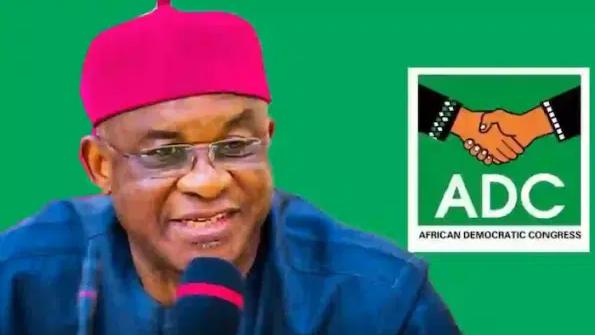
The fortunes of the African Democratic Congress (ADC) are now in limbo following a Court of Appeal decision that affirms an earlier restraining order against the party's caretaker leadership, led by Senator David Mark. This development has significant implications for the party's candidates, including former Vice President Atiku Abubakar, who may see their presidential aspirations jeopardized.
The Court of Appeal's two-to-one decision, with Justice Okon Abang delivering the lead verdict, has left the ADC's caretaker leadership reeling. The restraining order, which was initially issued by the Federal High Court in Abuja on April 29, bars the Mark-led executives from interfering with the tenure and functions of the party's elected state executives. This ruling has serious consequences for the party, as it effectively invalidates the state congresses organized by the Mark-led faction. According to the court, the responsibility for conducting state congresses rests with the elected state executive committees, not the national leadership.
The ADC's struggles are not an isolated incident, but rather a symptom of a broader issue affecting Nigeria's political parties. The country's electoral landscape has become increasingly fragmented, with multiple parties vying for power. This has led to a situation where party leaderships are often at odds with each other, resulting in internal conflicts and power struggles. The ADC's situation is a stark reminder of the challenges faced by Nigeria's democratic institutions, including the Independent National Electoral Commission (INEC). As the country hurtles towards the 2027 general elections, the ADC's fortunes will likely have a ripple effect on the broader political landscape.
The ADC's caretaker leadership, led by Senator David Mark, has insisted that the court's ruling does not affect candidates produced through the party's direct primaries. However, this assertion may be tested in the coming weeks as the party's candidates, including Atiku Abubakar, navigate the complex web of party politics. The Court of Appeal's decision has effectively created a power vacuum within the party, with the elected state executive committees now in control. As the situation unfolds, it remains to be seen how the ADC will manage its internal conflicts and navigate the treacherous waters of Nigerian politics.
The ADC's fortunes will likely hang in the balance for the foreseeable future, as the party's leadership struggles to come to terms with the Court of Appeal's decision. With the 2027 general elections just around the corner, the party's candidates will be closely watching the situation, eager to see how it unfolds. As the ADC's caretaker leadership navigates the complex web of party politics, one thing is certain: the party's fortunes will be closely tied to the outcome of these internal conflicts.
In the end, the ADC's struggles are a reminder of the challenges facing Nigeria's democratic institutions. As the country hurtles towards the 2027 general elections, the ADC's fortunes will likely have a ripple effect on the broader political landscape.