Music
Blur drummer Dave Rowntree loses PRS court battle for £200million "black box" unpaid songwriter royalties
Dave Rowntree's £200 Million Gamble Falls Flat For Dave Rowntree, the drums weren't the only thing he was counting on to keep the rhythm going.
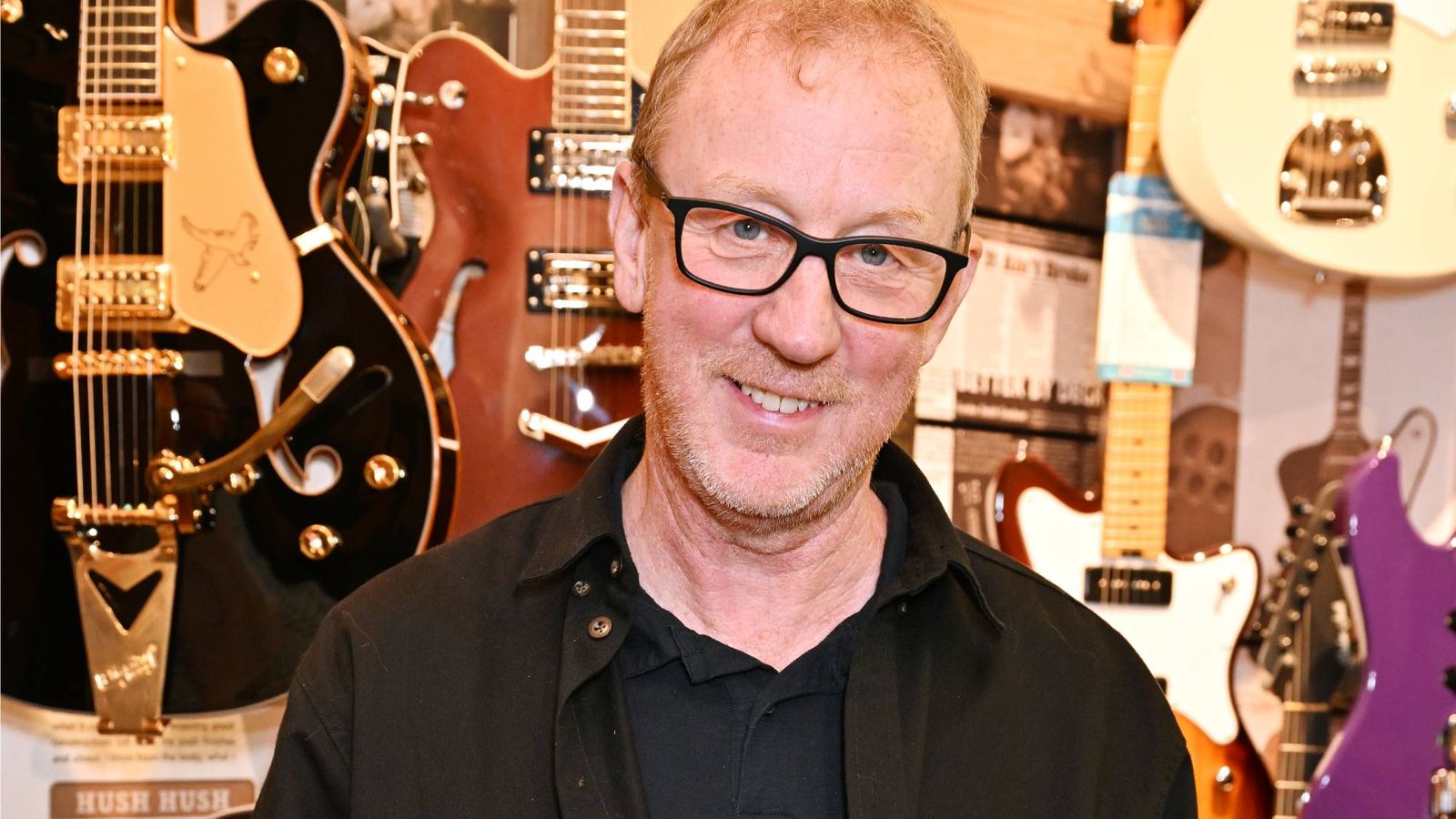
For Dave Rowntree, the drums weren't the only thing he was counting on to keep the rhythm going. As a member of the iconic Britpop band Blur, he's had his fair share of hits and accolades. However, this time, his gamble was a different kind of beat altogether, a £200 million one, to be exact. Rowntree had been fighting a long-standing battle against PRS For Music over the distribution of "black box" royalties, also known as unidentified royalties. Those funds are collected by PRS but can't be matched to the correct songwriter or publisher due to missing or inaccurate information.
The case was centered around Rowntree's claim that PRS' system for distributing these unidentified royalties was unfair to songwriters. He argued that writers could potentially have been deprived of up to £200 million in earnings. However, in a blow to Rowntree's challenge, the Court of Appeal dismissed his claim, upholding the original ruling from last August by the Competition Appeal Tribunal. The tribunal had stated that Rowntree's case lacked a "reasonable prospect of success." In fact, Lord Justice Miles noted that the problem with the case was that Rowntree's side hadn't presented a realistic alternative way of distributing the money. Miles added that since the issue arose from the absence of accurate information, there was no plausible basis for suggesting a more accurate (let alone fairer) distribution.
According to the source, the "black box" royalties issue is a widespread problem in the industry. While PRS prefers to call them "unidentified royalties," the term "black box" has stuck in the industry. These funds are often collected by PRS but can't be matched to the correct songwriter or publisher. The total amount involved is staggering, with Rowntree claiming it could be as high as £200 million. However, the real issue at hand is the lack of transparency and fairness in the distribution process. PRS has maintained that their system is fair and that they welcome the decision, stating that it vindicates their position on the matter.
The ruling comes amid wider scrutiny of PRS and how money moves through the live music ecosystem. The Music Venue Trust's "Set The Record Straight: Fair Licensing Fees" campaign, launched earlier this year, highlights the need for greater accuracy, transparency, and fairness in the way PRS-related licensing fees are calculated for grassroots venues. This campaign is a clear indication that the music industry is calling for change and greater accountability from organizations like PRS. As the live music ecosystem continues to evolve, it's essential that organizations like PRS adapt and prioritize fairness and transparency in their operations.
While the Court of Appeal's ruling is a significant setback for Rowntree, it's not the end of the road. The ruling has sparked a wider conversation about the need for greater transparency and fairness in the music industry. As PRS continues to focus on delivering value for their members and protecting their rights, it's clear that there will be continued scrutiny of their operations. For Rowntree, the fight is far from over, and it remains to be seen what his next move will be.
I predict that the music industry will continue to push for greater transparency and fairness, and organizations like PRS will be forced to adapt and prioritize the needs of their members. While the £200 million at stake is a significant amount, the real issue at hand is the lack of accountability and fairness in the industry. As the live music ecosystem continues to evolve, it's essential that organizations like PRS prioritize transparency and fairness in their operations.
The ruling has sent a clear message that the music industry will not tolerate unfair practices, and organizations will be held accountable for their actions. As the industry continues to navigate the complexities of live music and licensing fees, it's essential that organizations like PRS prioritize fairness and transparency. For Rowntree, the fight is far from over, and it remains to be seen what his next move will be.