News
Falz's "Na Je" Video Takes Social Commentary Straight to the Streets of Northern Nigeria
The Desert Landscapes of Resilience As I watched Falz's "Na Je" video, I couldn't help but feel a sense of awe at the way it transports viewers straight to the sun-baked streets of Northern Nigeria.
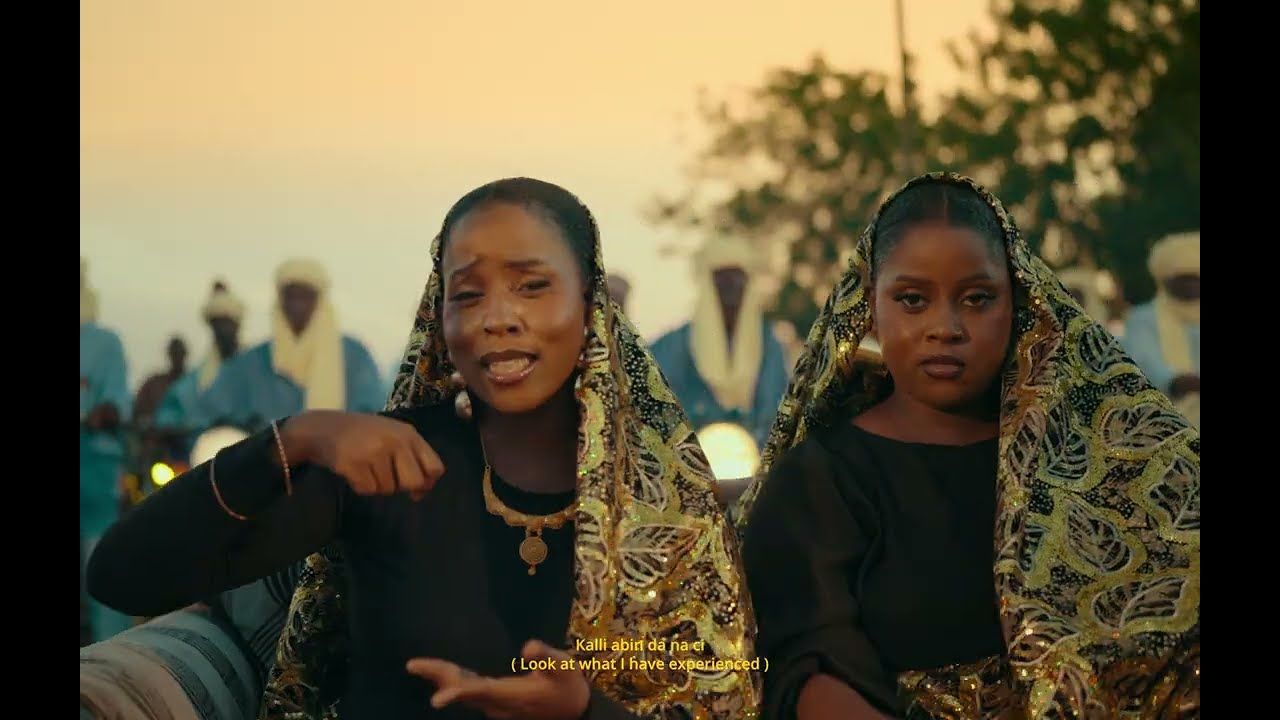
As I watched Falz's "Na Je" video, I couldn't help but feel a sense of awe at the way it transports viewers straight to the sun-baked streets of Northern Nigeria. The stills from the video, featuring musical duo Oiza x Meyi and producer-artist FirstKlaz, show the group performing in traditional attire, with English subtitles displayed across the screen. The Hausa phrase "Na Je" translates to "I went" or "I have gone," and the song, which features Oiza x Meyi and FirstKlaz, marries social commentary with traditional Northern sounds in a way that feels intentionally authentic.
Falz, who has been making waves in the music industry with his five-track extended play "Break Time," a project that tackles social commentary, economic realities, and everyday life in Nigeria, is not letting up. With "Na Je," he drops the official video, one of the most visually distinctive Nigerian music videos of the year. The video takes the song's intentional blend of traditional sounds and social commentary and sets it against the backdrop of Northern Nigeria's open semi-desert landscapes, traditional mud-brick structures, and the everyday rhythms of local life.
As the camera moves through community spaces, it captures the people and surroundings of the region as they actually are. Town elders gather over games of draughts, their faces creased with concentration and laughter. Local musicians play the kuntigi and kalangu, the sounds blending with the desert wind. Women carry traditional clay water pots along a hilltop ridge, their movements evidence of the resilience of everyday life. English subtitles run throughout the video, translating the Hausa lyrics so that every viewer, regardless of language, can follow the lines about personal journeys, resilience, and survival through lean times.
The styling mirrors the setting, with Oiza x Meyi appearing in traditional Northern tunics with bead jewellery and tassel accents. Falz shows up in an earth-toned kaftan and cap, blending seamlessly into the surroundings. The location, wardrobe, and people on screen all pull in the same direction, creating a sense of cohesion that is both visually stunning and thought-provoking.
One of the most striking aspects of the video is the use of English subtitles to translate the Hausa lyrics. This is not just a matter of accessibility; it's a deliberate choice to break down barriers and bring the narrative to a wider audience. By doing so, Falz and the team behind the video are acknowledging the diversity of Nigeria's languages and cultures, and inviting viewers to engage with the narrative on a deeper level.
The "Na Je" video is a masterclass in visual storytelling, using the desert landscapes and community spaces of Northern Nigeria to tell a story that is both personal and universal. By eschewing studio setups and opting for a more authentic, location-based approach, the team behind the video has created a sense of intimacy and immediacy that draws viewers in and refuses to let go.
- Falz releases his five-track extended play "Break Time," a project that tackles social commentary, economic realities, and everyday life in Nigeria
- "Na Je" is released as the official video from the "Break Time" EP
- The video takes a visually distinctive approach, setting the narrative in Northern Nigeria's open semi-desert landscapes and traditional mud-brick structures
- English subtitles are used to translate the Hausa lyrics, making the video accessible to a wider audience
As I watched the "Na Je" video, I was struck by the way it brings the story of Northern Nigeria's resilience and everyday life to a wider audience. By using the desert landscapes and community spaces as a backdrop, Falz and the team behind the video have created a sense of intimacy and immediacy that is both visually stunning and thought-provoking. As the music industry continues to evolve and push boundaries, it will be interesting to see how artists like Falz use their platforms to tell stories that are both personal and universal, and to break down barriers that have long divided us.
More stories you'll like

News
John Anderson, Country Hall of Fame Singer, Dies at 71
News
Broda Shaggi Reveals He Was Hit by a Stray Bullet in New Documentary

News