Sports
From the Group Stage to the Quarterfinals: How Africa Performed at the 2026 FIFA World Cup
Africa's Mohamed Salah, a seasoned star, was beaming with pride as he celebrated his national team's historic 2026 World Cup run, donning a black and gold Egyptian pharaoh headdress.
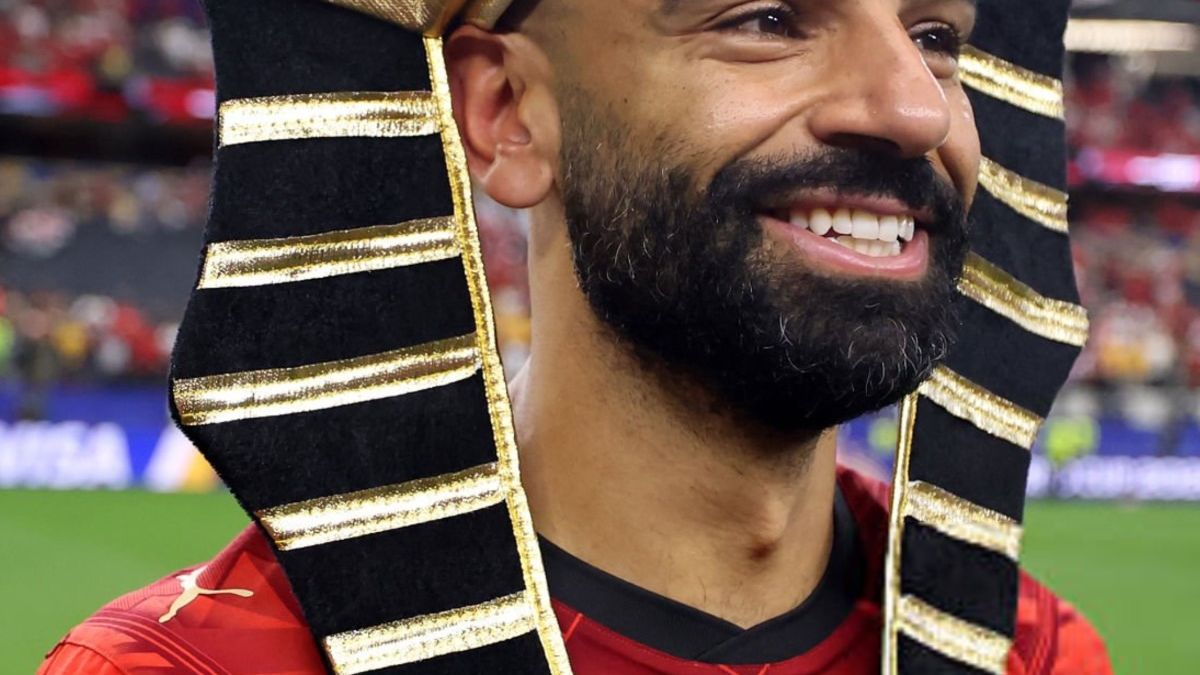
Africa's Mohamed Salah, a seasoned star, was beaming with pride as he celebrated his national team's historic 2026 World Cup run, donning a black and gold Egyptian pharaoh headdress. This was a moment that marked the beginning of a new chapter in the African football narrative, one that would see the continent's teams excel in unprecedented numbers. But what does this achievement mean for the individuals involved, and what does it say about the trajectory of African football?
For the first time in FIFA World Cup history, nine out of ten African teams successfully navigated the group stage, a feat that marked a significant milestone for the continent. Collectively, African teams recorded 10 wins, 10 losses, and 10 draws during the group stage, a perfectly balanced record that secured spots in the expanded knockout format. This achievement is evidence of the growth and improvement of African football, with teams like Morocco, Egypt, and Cabo Verde leading the charge.
One of the most remarkable stories to emerge from the tournament was that of debutants Cabo Verde, who went unbeaten with three draws against Spain, Uruguay, and Saudi Arabia. At the heart of this fairytale run was their veteran 40-year-old goalkeeper, Josimar José Évora Dias, affectionately known as Vozinha. Born during the 1986 World Cup, Vozinha became a global sensation on his World Cup debut against Spain, making eight crucial saves to secure a historic 0-0 draw and claiming the Player of the Match title. His achievement also set a world record as the oldest goalkeeper to keep a clean sheet on a World Cup debut.
Africa's historic performance at the 2026 FIFA World Cup marks a significant shift in the global football narrative. As the continent's teams continue to punch above their weight, it is becoming increasingly clear that African football is no longer a fringe player in the global football landscape. With the growth of the game in countries like Morocco, Egypt, and South Africa, it is likely that we will see more African teams competing at the highest level in the years to come. This, in turn, will lead to increased investment and attention from international football governing bodies, which could have a profound impact on the development of football in Africa.
As the African teams advance to the quarterfinals, what's next? Will Africa's success be a one-off, or is this the beginning of a new era for the continent? While it's impossible to predict the future, one thing is certain: African football has arrived on the global stage, and it's here to stay. With teams like Morocco and Egypt already making a name for themselves, it's likely that we will see more African teams competing at the highest level in the years to come. As the continent's teams continue to push the boundaries of what's possible, one thing is clear: the future of football is African.