News
HIV Cases in Lagos Reach Highest in Nigeria: Why More People Are Choosing Private STI Screening
The Hidden Epidemic in Lagos Lagos, the vibrant commercial hub of Nigeria, is often synonymous with energy, innovation, and a never-sleeping spirit.
Lagos, the vibrant commercial hub of Nigeria, is often synonymous with energy, innovation, and a never-sleeping spirit. However, beneath the city's bustling streets and towering skyscrapers lies a stark reality: the highest number of HIV diagnoses in Nigeria. According to the Federal Ministry of Health and Social Welfare's State of the Health of the Nation Report 2025, Lagos recorded an alarming 10,430 cases of HIV in 2025. These numbers are not just statistics; they represent the lives of individuals, families, and communities affected by this devastating disease.
One of the primary reasons people delay HIV and STI screening is the fear of stigma. In a society where HIV and AIDS are often shrouded in mystery and misconception, many individuals are reluctant to take the first step towards knowing their status. The fear of being ostracized by family, friends, or community members can be a powerful deterrent, leading to a culture of silence and secrecy. This silence is particularly pronounced in Lagos, where the city's fast-paced lifestyle and emphasis on appearances can make it difficult for individuals to openly discuss their health concerns.
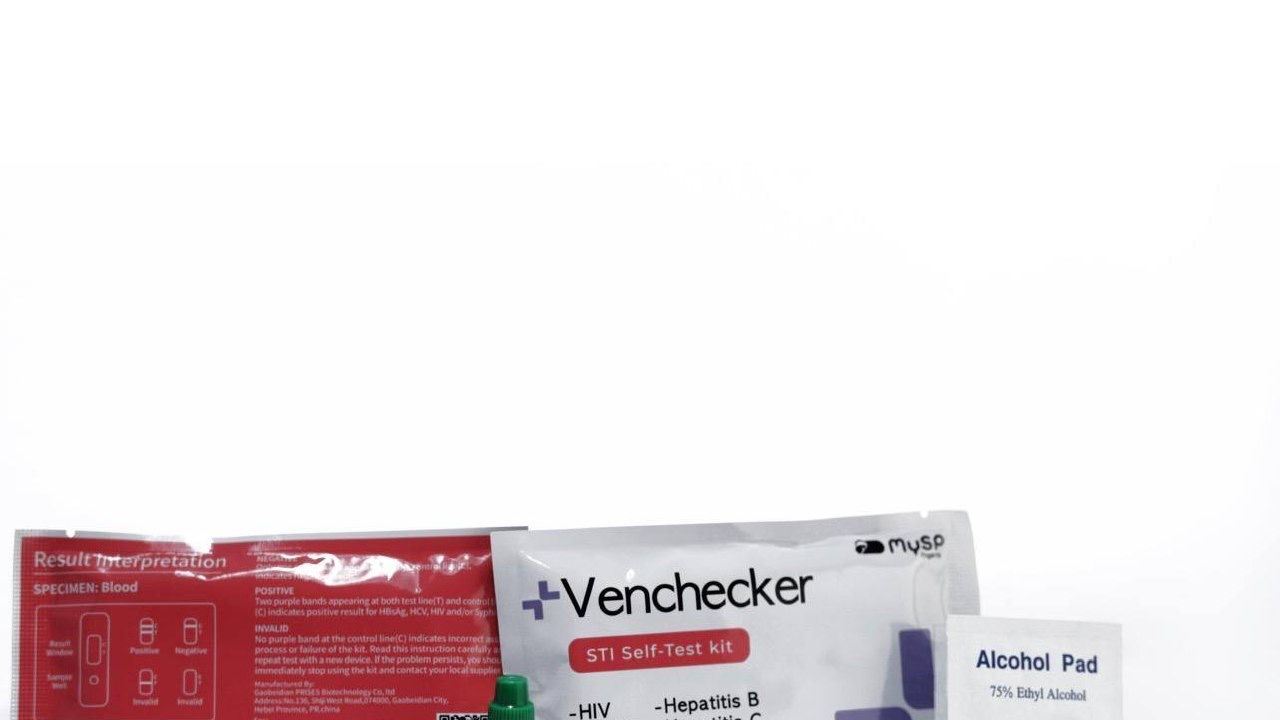
In response to the growing need for convenient and private STI screening, products like Venchecker have emerged. This 4-in-1 rapid STI screening kit allows individuals to privately screen for HIV, Hepatitis B, Hepatitis C, and Syphilis from the comfort of their own homes. The kit offers a discreet and hassle-free way to take control of one's sexual health, providing a much-needed alternative to traditional testing methods. By making STI screening more accessible and private, products like Venchecker are helping to break down the barriers that have long prevented individuals from seeking testing.
The latest HIV figures in Lagos serve as a stark reminder of the importance of early screening and knowing one's status. By taking the first step towards testing, individuals can gain a better understanding of their health and make informed decisions about their sexual well-being. This is particularly crucial in Lagos, where the city's large population and high mobility rate create a unique set of challenges for public health officials. By promoting private STI screening, individuals can take a proactive approach to their health, reducing the risk of transmission and protecting those they love.
As the numbers continue to rise, it is clear that more needs to be done to address the HIV epidemic in Lagos. By prioritizing education, awareness, and access to private STI screening, individuals can take a critical step towards breaking the silence surrounding HIV and AIDS. As the Federal Ministry of Health and Social Welfare continues to work towards reducing the spread of HIV, it is essential that individuals take ownership of their health and well-being. By doing so, we can create a more supportive and inclusive environment for those affected by HIV, and work towards a future where everyone has access to the testing and treatment they need.
As a writer, I believe that it is our collective responsibility to amplify the voices of those affected by HIV and AIDS. By sharing their stories and experiences, we can create a more nuanced understanding of this complex issue and work towards a more compassionate and inclusive society. As we move forward, it is essential that we prioritize the needs of those living with HIV, and work towards a future where everyone has access to the testing, treatment, and support they need to thrive.