News
What on earth is happening to the video games industry? Reader's Feature
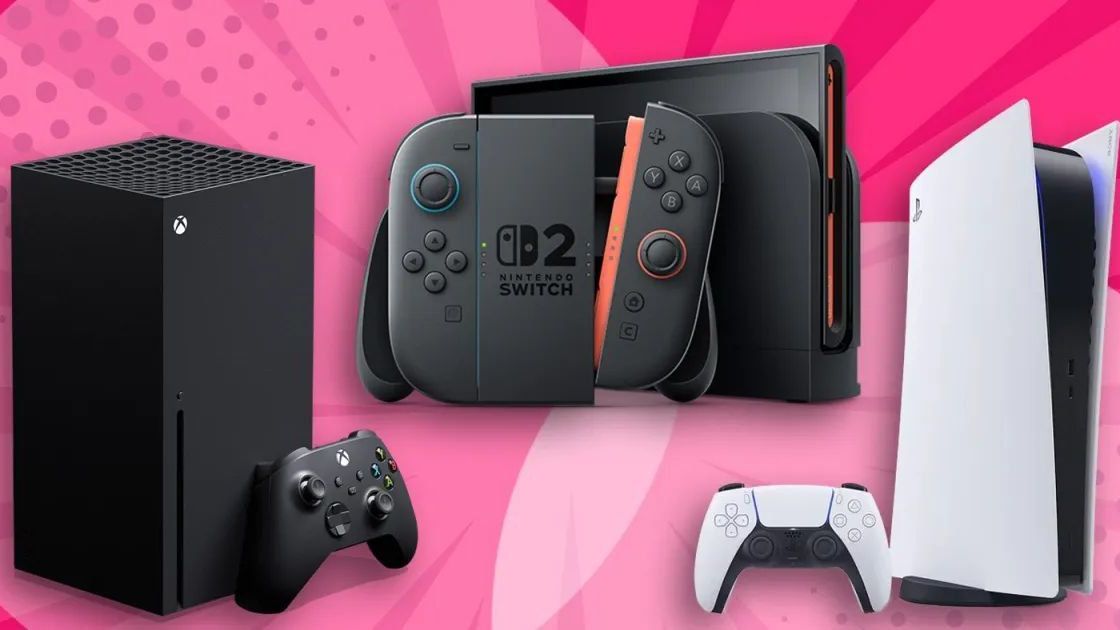
In the midst of a sweltering summer, a concerned gamer, a self-described "busy dad of two," took to the pages of Metro to express his exasperation with the current state of the video games industry. His letter, a candid critique of the industry's recent missteps, is a reflection of the growing dissatisfaction among gamers worldwide. As I read through his words, I couldn't help but think of the countless gamers who, like him, have been watching the industry's developments with a mix of frustration and disappointment.
The video games industry has long been a hotbed of innovation and creativity, but recent events have left many questioning its direction. The likes of Ubisoft and EA, once stalwarts of the industry, are now facing financial woes. Meanwhile, mass layoffs have become a disturbing norm, with some of the biggest names in the business cutting loose talented developers in a bid to streamline their operations. The irony of this situation is not lost on gamers, who wonder how an industry that has spent billions on studio acquisitions can suddenly find itself in such dire straits.
One of the most contentious issues in the industry today is the shift towards digital-only distributions. Sony's announcement that it will cease producing physical discs for games after next year has sparked a heated debate among gamers. While some argue that an all-digital future is inevitable, given the environmental benefits and reduced shipping costs, others are concerned about the impact on consumer choice and the value of games. The gamer in question notes that Sony's digital stores have been plagued by inflated prices, which has led him to adopt a wait-and-see approach to new game purchases.
The gamer's critique of Sony's digital stores is not unfounded. A quick glance at Steam's user-friendly interface and comprehensive refund policy reveals a stark contrast to the experience offered by Sony's platforms. The fact that Sony has a history of fleecing its customers with overpriced digital titles only serves to fuel the gamer's skepticism. As he astutely observes, "Steam has been around for a long time and seem to have a much better user experience, including timed refunds, etc."
The gamer's concerns about the future of console gaming are well-founded. The rumors surrounding the PlayStation 6, including its projected price tag of over £1,000, have many wondering if the traditional console gaming model is still viable. With the cost of entry set to skyrocket and physical media on the decline, it remains to be seen whether gamers will continue to opt for console gaming over PC gaming. As the gamer so aptly puts it, "I honestly cannot see any reason to now choose to buy a PlayStation 6."
While the industry may be facing a crisis, there is one bright spot on the horizon: the indie gaming scene. As the gamer notes, "The indie side of gaming is incredible and improving year after year." This observation is evidence of the innovative spirit of indie developers, who continue to push the boundaries of what is possible in gaming. In a time of uncertainty, the indie gaming revolution offers a glimmer of hope for the future of the industry.
- Ubisoft and EA are facing financial difficulties
- Mass layoffs have become a norm in the industry
- Sony will cease producing physical discs for games after next year
- Steam has a better user experience and refund policy compared to Sony's digital stores
- The PlayStation 6 is rumored to cost over £1,000
As I conclude this article, I am reminded of the words of the gamer who sparked this discussion: "Sony and Microsoft are having a competition on bad news, and they're both winning." The video games industry is at a crossroads, and it remains to be seen which path it will choose. Will it continue down the road of consolidation and cost-cutting, or will it find a way to restore its former glory?