News
Industry leaders call for backing for Our BBC Our Music campaign: "We cannot solely provide goodwill in order to secure the beauty of music"
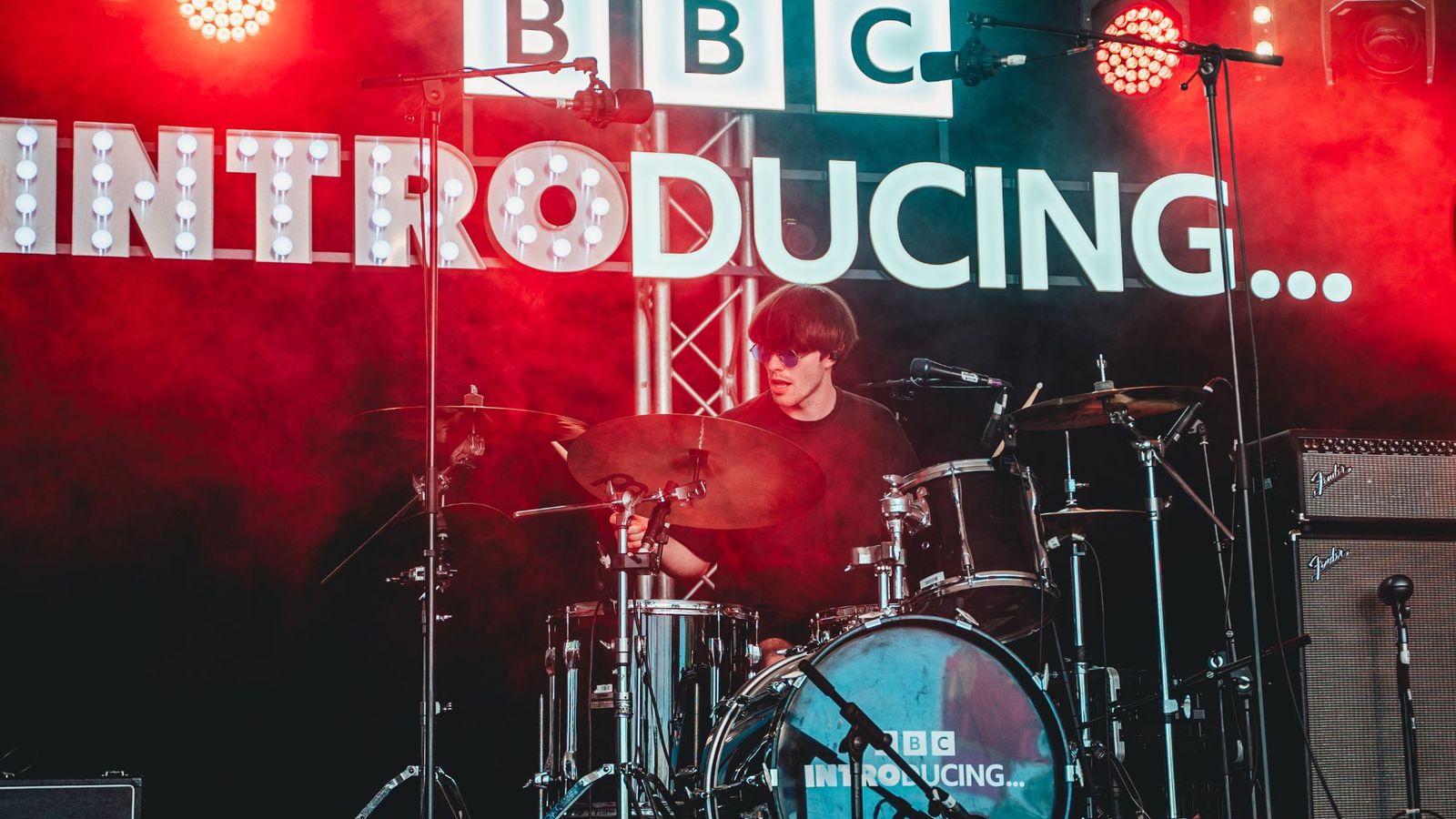
The BBC’s lifeline to the UK music scene is under threat, and the people who rely on itsongwriters, venue owners, and the countless fans who find their first taste of a chart‑topper on Radio 1are now pleading for more than a pat on the back. The “Our BBC: Our Music” campaign, launched by UK Music, is a clarion call that the government must step up funding or risk silencing the next wave of talent. This isn’t a quaint nostalgia for the golden age of British pop; it’s a survival strategy for an industry worth £8 billion and 220 000 jobs.
Lorna Clarke, Director of Music at the BBC, laid out the brutal math in Parliament on 19 October. She said the BBC’s work contributes “millions to the created economy,” and that Radio 1’s Big Weekend in Dundee alone spurred £3.7 million of growth. The BBC’s role in the music ecosystem is not peripheral; it is the engine that turns raw creativity into commercial success. When the BBC’s workforce was cut by 10 per cent, the ripple effects were felt across every tier of the industry, from grassroots venues to independent labels. The figures are stark: 22 per cent of Radio 2 commissions came from independent companies, now doubled to 42 per cent in a decade. That shift alone signals a broader opening for non‑London talent, but only if the BBC’s budget remains stable.
Everyone’s been chanting that the BBC can survive on goodwill. The campaign’s leaders, including Elbow’s Guy Garvey and BBC radio presenters Nick Grimshaw, Greg James, and Jo Whiley, counter that goodwill is a luxury the music sector cannot afford. In the same breath, the campaign’s Twitter thread featured performances by @The_Anchoress, @imogen_theknife, and @ShekuKM, underscoring that the BBC is not just a broadcaster but a platform that elevates emerging voices. Goodwill may keep a single show afloat, but it cannot fund the infrastructure that turns a bedroom producer into a chart‑topper. The argument is simple: the BBC’s funding model is a public asset; its loss would be a public loss.
The UK government’s Royal Charter Review is slated for a new charter in 2027, and the review’s findings could reshape the BBC’s funding. Yet the industry’s plea is not for a one‑off donation; it is for proportionate investment that reflects the BBC’s contribution to the economy. The campaign’s message is clear: ministers must recognize that cutting the BBC is not a cost‑saving measure but a cost‑increasing one. The music sector will bear the brunt of any austerity, and the ripple effect will hurt the wider creative economy, from advertising to tourism.
Predicting the next decade, I see the BBC either becoming a model for public‑private partnership in creative funding or a cautionary tale of how underfunded public institutions can choke cultural growth. If the government backs the campaign, the BBC can continue to double independent commissions and expand its reach to 8 million listeners weekly on Radio 1. If it does not, the BBC will become a relic, and the UK’s music output will stagnate, forcing artists to seek alternative, often more expensive, platforms.
The stakes are high. The BBC’s ability to champion emerging talent, especially outside London, is a linchpin for the industry’s future. The “Our BBC: Our Music” campaign is not a plea for nostalgia; it is a demand for sustained investment in a cultural backbone that fuels the economy, creates jobs, and keeps Britain’s music voice global. Whether ministers will see the BBC as a public good worth protecting or a cost centre to be trimmed. The answer will shape the soundscape of the next generation.