News
JB Pritzker thinks AI could help us live to 100, or threaten us like nukes
The debate about AI’s future is no longer a tech‑centric ivory tower talk; it has become a political battlefield that will shape midterm elections and, ultimately, the lives of ordinary voters.
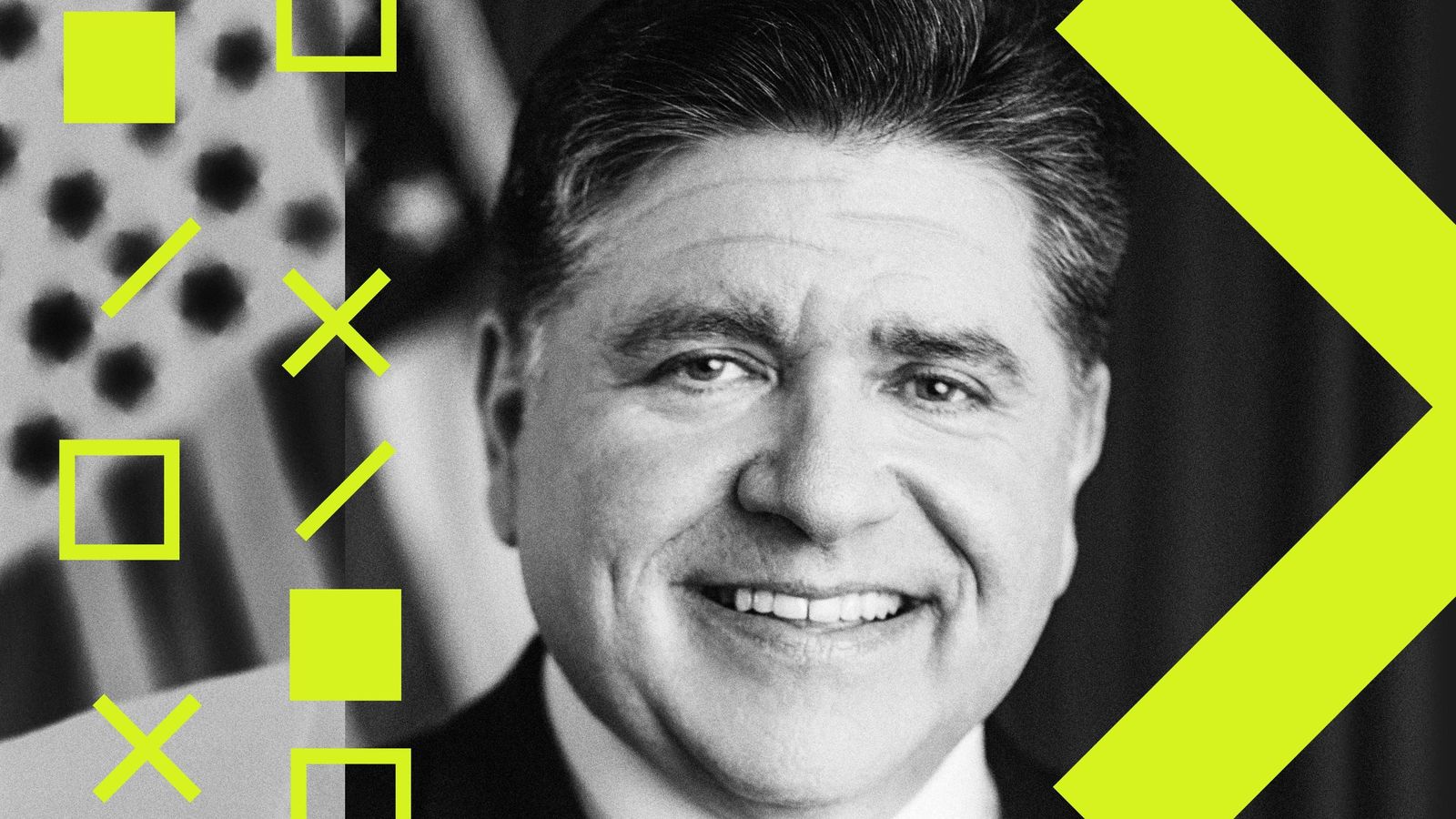
The debate about AI’s future is no longer a tech‑centric ivory tower talk; it has become a political battlefield that will shape midterm elections and, ultimately, the lives of ordinary voters. When Illinois Governor JB Pritzker opened up on the Verge podcast, he did more than talk about data centers or privacy. He framed AI as both a lifeline to longevity and a threat comparable to nuclear weapons, and he tied that to the very real question of whether the state’s governance can keep up. For the people of Chicago and the rest of Illinois, his words matter because they hint at how state policy could either harness AI for public good or let it spiral out of control.
Pritzker’s most striking claim was that artificial intelligence could help humanity live to 100. That optimism is not idle wish‑fulfillment. It reflects a growing belief that AI can accelerate medical breakthroughs, streamline public health responses, and even predict disease outbreaks before they become pandemics. Yet, in the same breath, he warned that AI could become a “nukes‑like” threat if left unchecked. The juxtaposition is unsettling: a technology that could extend human life by decades could also erase it if it falls into the wrong hands or is used without ethical safeguards.
The governor’s caution is rooted in the reality that AI systems are often opaque, data‑hungry, and governed by corporate interests rather than public oversight. Illinois, with its large tech hub in Chicago, is a magnet for data centers that consume massive amounts of electricity and generate heatboth environmental and political. If the state fails to regulate these facilities, it risks becoming a carbon sink and a target for cyber‑attacks that could cripple essential services. In this sense, Pritzker’s warning is not hyperbolic; it is a call to balance ambition with responsibility.
The timing of the interviewjust before the midterm electionscannot be ignored. Pritzker’s candidness about AI’s dual nature positions him as a potential swing factor for voters who feel uneasy about unchecked technological growth. His stance could sway undecided voters in Illinois, a state that has historically leaned Democratic but is increasingly competitive in suburban districts. By framing AI as both a promise and a peril, he taps into a broader narrative that many politicians are now wrestling with: how to translate tech policy into tangible electoral advantage.
If the governor’s messaging resonates, we could see a surge in campaign platforms that emphasize AI regulation, data privacy, and green data centers. Conversely, if voters interpret his comments as fearmongering, it could backfire, painting him as a technophobic figure. Either outcome will influence the political calculus of parties across the country, as the midterms approach.
While Pritzker’s AI musings dominate the conversation, the episode also touched on a lighter but equally symbolic issue: whether the Chicago Bears will stay in Illinois. The governor’s reassurance that the Bears will remain in the stateeither in Chicago or Arlington Heightsspeaks to a deeper sense of local identity. For many residents, the team’s presence is a source of civic pride and economic activity. It also underscores the governor’s broader message: that the state can and should make decisions that protect both its cultural heritage and its future.
The Bears discussion may seem trivial next to AI, but it illustrates the governor’s ability to navigate diverse topics. It shows that state leaders must balance high‑tech policy with everyday concerns that keep voters engaged. The juxtaposition of AI and football also highlights how technology can infiltrate even the most traditional aspects of lifethink AI‑driven sports analytics, fan engagement, and stadium operations.
Conventional wisdom often paints technology as an unequivocal good, a panacea for societal problems. Pritzker’s remarks challenge that narrative head‑on. He argues that some problems are collective action problems requiring government intervention. This is a stark reminder that AI, while powerful, cannot be deployed in isolation. It needs robust public policy, transparent governance, and ethical frameworks that consider the broader societal impact. The governor’s stance forces us to confront the uncomfortable truth that we cannot rely solely on private innovation to solve public crises.
If we ignore this, we risk repeating past mistakes where unchecked tech led to data breaches, privacy violations, and even economic displacement. The governor’s call for government involvement is a wake‑up call that should resonate beyond Illinois, especially as other states grapple with similar issues.
Given Pritzker’s vocal stance on AI regulation and data center sustainability, I predict that Illinois will soon introduce a comprehensive AI policy framework that includes data privacy safeguards, carbon‑neutral data center mandates, and public‑private partnerships for medical AI research. This framework could become a benchmark for other states, forcing a national conversation about how to balance innovation with public welfare.
If Illinois succeeds, it could shift the political narrative from “tech is good” to “tech is good when governed responsibly.” That shift could ripple across the country, influencing policy debates in Washington and shaping the next generation of tech legislation.
In short, Pritzker’s interview is more than a podcast episodeit is a microcosm of the larger debate about technology’s role in society. His words serve as a warning and a roadmap, reminding us that the future of AI hinges on the choices we make today. The next step will be watching how Illinois translates this vision into concrete policyand whether it can outpace the rapid pace of tech development while keeping its citizens safe and prosperous.