News
Locked out: YouTube changes qualification for ad revenue
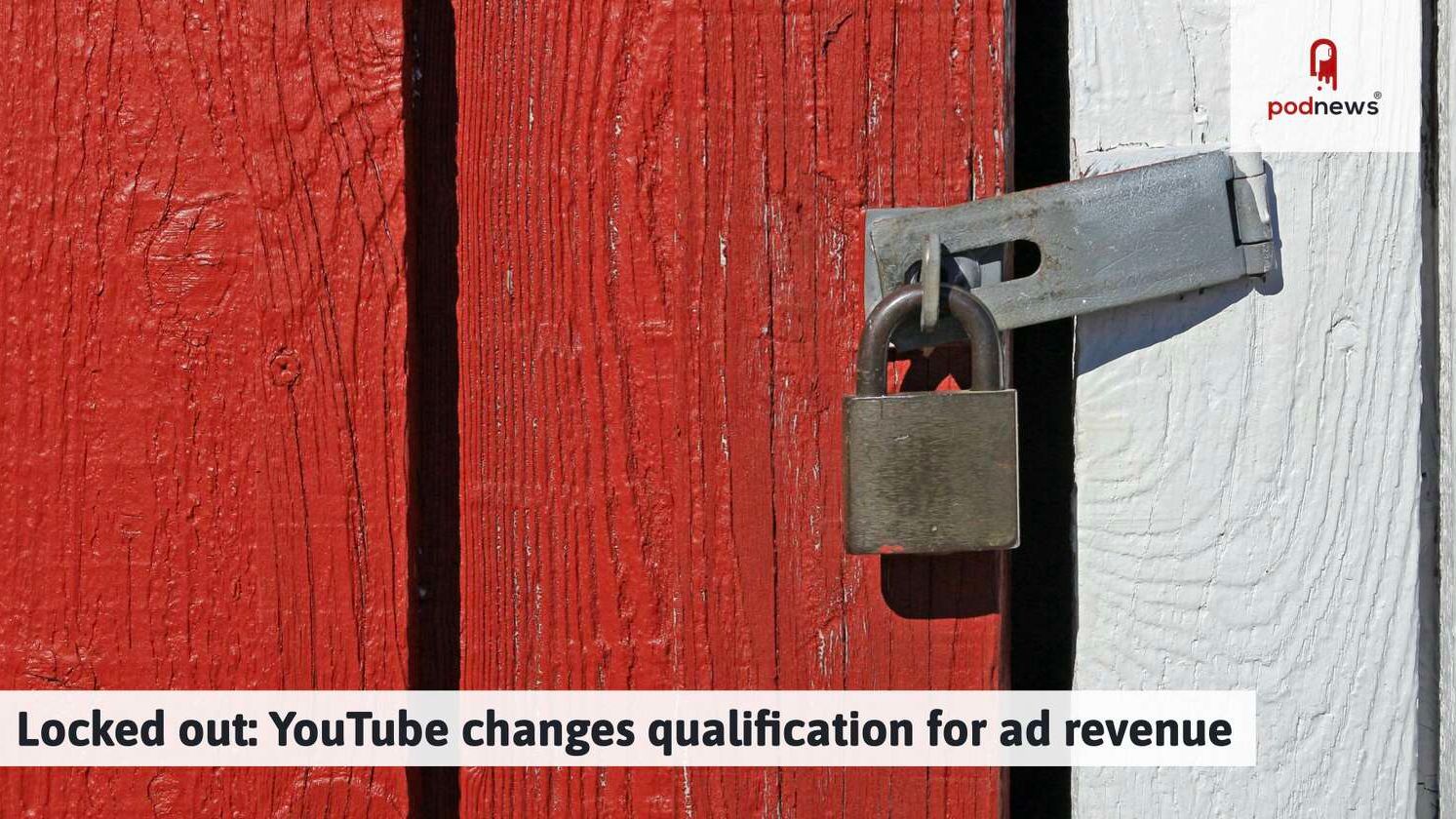
As I scrolled through my YouTube feed, I couldn't help but wonder about the fate of my favorite creators who rely on the platform for their livelihood. The news of YouTube's latest move to double the qualification for the YouTube Partner Program (YPP) sent a ripple of anxiety through the community. The YPP is the lifeblood of many creators, providing them with a steady income based on consumption on the platform. The new rules, which require 8,000 qualified watch hours in the last year or 20 million qualified Shorts views in the last 90 days, are a significant change since 2018.
The YouTube Partner Program has been a turning point for creators, providing them with a sustainable income stream. According to the source, podcast ad revenue is up 23% year-on-year, evidence of the growing demand for online content. However, the increasing competition for ad revenue has put a strain on creators, making it harder to break into the program. The new qualification requirements are a double-edged sword, making it more challenging for new creators to join the program but also providing a safeguard against low-quality content.
The new rules will undoubtedly affect new creators who are just starting to build their audience. Greg Glenday, CEO of Acast, has expressed support for creators who are unhappy with the change, stating that Acast will work privately with Spotify to understand if they could have collaborated more on the rollout or positioning. This shows that even established players in the industry are aware of the challenges faced by creators and are willing to work together to find solutions.
In a separate development, Spotify's ad-skipping button has been making headlines, with some stories suggesting that it doesn't skip ads sold by Spotify. However, according to Podnews, this is not true. The feature is designed to skip ads on Bill Simmons shows, demonstrating that the ad-skipping button is not targeted at competitors' ads. This clarification is essential, as it highlights the complexities of the ad revenue landscape and the need for creators to adapt to changing technologies.
As the ad revenue landscape continues to evolve, creators must be prepared to adapt to new challenges and opportunities. The rise of the YouTube Partner Program has been a significant factor in the growth of online content, and the new qualification requirements will undoubtedly shape the future of the industry. As a writer, I predict that we will see a shift towards more high-quality content, as creators are incentivized to produce content that resonates with their audience and meets the new qualification requirements.
As the dust settles on YouTube's new ad revenue hurdle, creators must navigate the changing landscape with caution. While the new rules may seem daunting, they also provide an opportunity for creators to produce high-quality content that resonates with their audience. As the industry continues to evolve, one thing is clear: the future of ad revenue will be shaped by the creators who are willing to adapt and innovate in the face of change.