News
'Nobody gets paid': The brutal reality of taking a show to Edinburgh Fringe
The Unaffordable Dream of Edinburgh Fringe For Clare Stenning, actor and member of Dreambite Collective, the Edinburgh Fringe is a reality check.
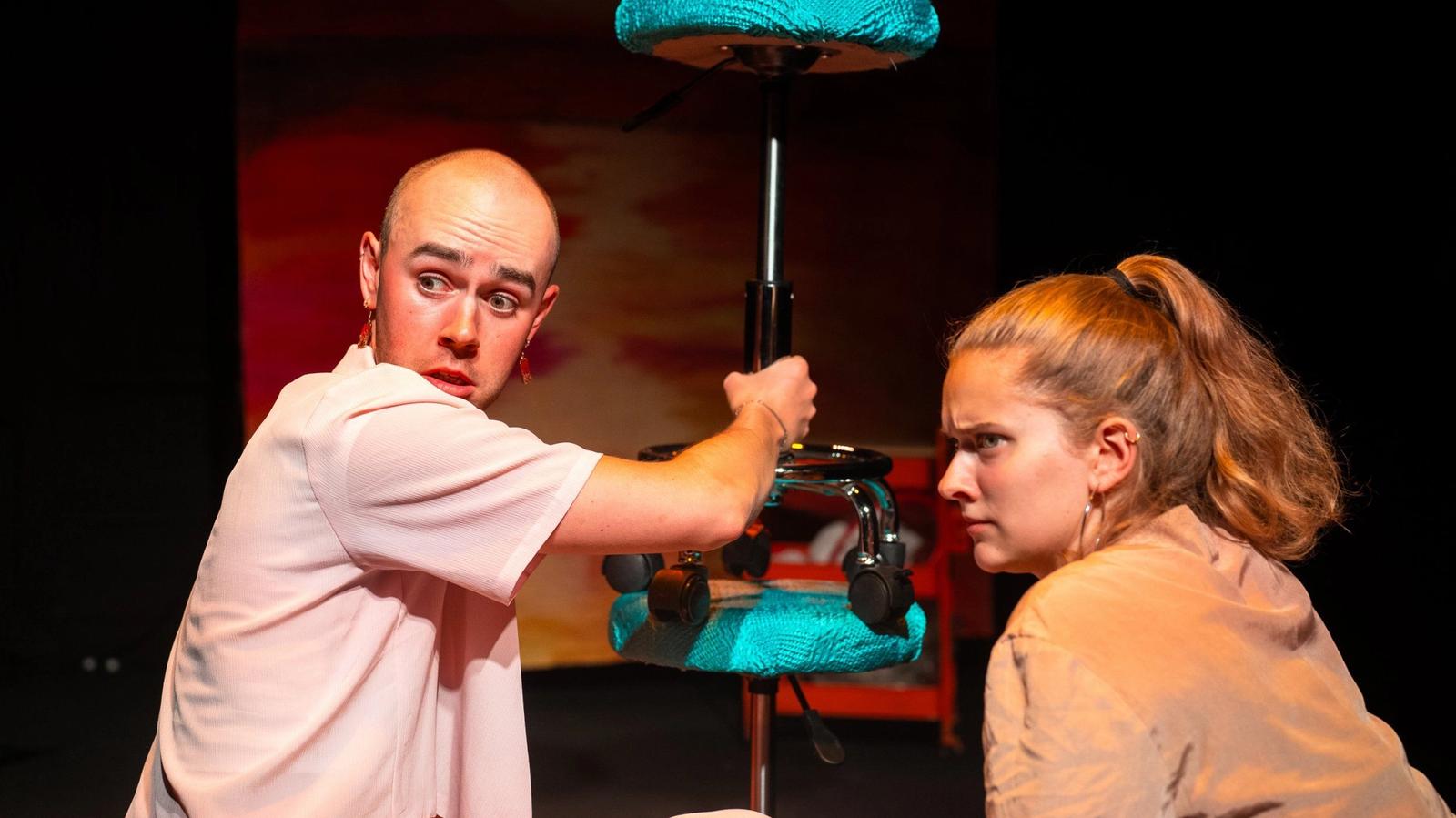
For Clare Stenning, actor and member of Dreambite Collective, the Edinburgh Fringe is a reality check. Just 24 hours before leaving London to make her debut, she was still painting the set in her garden at 1 am. This is not an isolated case; her co-stars and fellow performers are facing similar exhaustion and financial strain. The harsh truth is that, unlike their normal day jobs, the theatre work they'll be doing at the Fringe does not pay. In fact, Dreambite Collective's new play, Cruising, will cost over £10,000 to produce, with almost nobody involved getting paid.
The Edinburgh Festival Fringe has a reputation for being an open-access event, where anyone can bring their show and potentially find an audience. But the reality is far from it. Dreambite Collective's writer, Katrina Bennett, reveals that having a good play is no longer enough; you need "buzz," "previews," and "reviewers" to make your show stand out. This is a far cry from the festival's origins in 1947, when eight companies were excluded from the inaugural Edinburgh International Festival and decided to perform anyway. The Fringe's mythology is built on scrappiness and the idea that nobody needs permission to create something unique. Today, however, the cost of producing a show has become prohibitively expensive.
The statistics are staggering: Dreambite Collective's budget is £13,000, with no one getting paid, except for the director. This is not an isolated case; many performers will be sharing Edinburgh with Gail, an enormous inflatable whale, in the hopes of convincing strangers to buy a ticket. Davy Roderick, a co-star, admits that the prospect of thrusting flyers at strangers makes them "feel ill." Meanwhile, Clare Stenning will be performing almost every day for a month while still working her normal day job remotely. The Fringe has become a proving ground, a networking event, and a month-long endurance test for many young creatives. But at what cost?
The costs involved in producing a show at the Fringe are numerous and eye-watering. Accommodation, PR, insurance, set, props, costumes, software licenses, and all the small, unsexy costs involved in transforming a Google Doc into a professional production all add up to a staggering expense. It's little wonder that almost nobody involved in Dreambite Collective's production gets paid. The Fringe's open-access ethos has been replaced by a commercialized industry, where producing a show has become a costly and often unaffordable endeavor.
I predict that the Fringe will continue to evolve into a more commercialized and expensive event, pricing out many young creatives who cannot afford to participate. The myth of Fringe accessibility will continue to be just that, a myth. Unless something changes, the Fringe will become a showcase for established artists and companies, leaving new talent and emerging voices struggling to get a foothold.
The Fringe's origins as a scrappy, open-access event are being eroded by the very commercialism it was meant to reject. The result is a brutal reality: nobody gets paid, and the dream of making art at the Edinburgh Fringe becomes a distant memory.