News
Games Inbox: What will Fallout 5 be like?
Fallout 4 sits on a dusty shelf, its rusted walls still echoing the clang of a century‑old war.
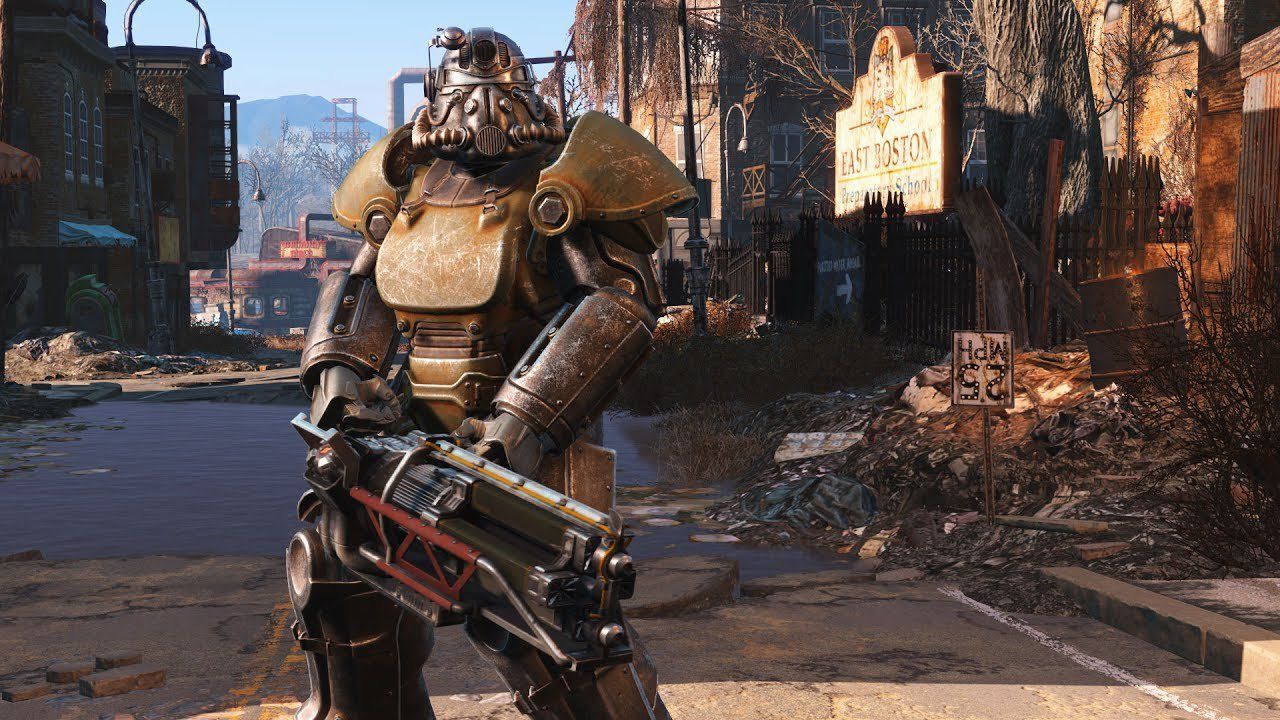
Fallout 4 sits on a dusty shelf, its rusted walls still echoing the clang of a century‑old war. Yet in the quiet corners of a Metro Letters page, a reader’s hand‑written note sketches a new horizon: a Zelda‑2 spiritual sequel, a world where the apocalypse gives way to reconstruction. The ink is thin, but the idea is thick with possibility.
The letter, signed simply as “Post‑post‑apocalypse,” proposes a shift from the bleak survival of Fallout 4 to a narrative where society begins to rebuild. The writer laments that the game “was a little disappointing, as it was not very different to Fallout 3, once you took the base‑building out of it.” The suggestion is clear: future titles should showcase “people picking up all the trash, knocking down the ruined buildings, and putting up new ones.” The appeal lies in a rare glimpse of hope, a narrative arc that moves beyond scavenging to renewal.
The letter’s comparison to Zelda 2 is not idle fantasy. It hints at a desire for a sequel that balances nostalgia with fresh mechanics, much like the way The Elder Scrolls 6 is still “at least two years off” and might never materialise before the next generation of consoles arrives. The writer’s frustration at Microsoft’s push to lock The Elder Scrolls and Minecraft into Xbox exclusivity echoes a broader concern: franchises that once thrived on open platforms are now tethered to corporate strategies that could stifle their creative evolution.
“If we assume Fallout 5 in, maybe, five years or so, well into the next generation, what is it actually going to be like?” the letter asks. This question sits at the heart of the discussion: should the series wait for technological leaps, or should it adapt now? The writer’s speculation that “Fallout 5” would arrive in the next generation suggests a belief that the next hardware will allow for the ambitious world‑building they crave.
While the core of the discussion revolves around Fallout, other comments pepper the page. Tom Meadows muses on GTA 6 marketing, noting the removal of guns from posters in the US and the paradox of “nudity” still present. His critique underscores a tension between family‑friendly imagery and the mature themes that define the franchise. Paulie briefly mentions a Resident Evil list, hinting at a broader conversation about horror and survival games. Though tangential, these remarks illustrate how post‑apocalyptic and survival narratives intersect across titles.
As someone who thrives on the human stories behind the headlines, I see the Fallout letter as a microcosm of a larger yearning: people want to see their worlds heal. In a continent where communities rebuild after conflict, this desire feels especially resonant. If Bethesda heeds this call, the next entry in the series could become a cultural touchstone for resilience.
The future of Fallout 5 remains uncertain, but the dialogue it sparksabout hope, platform politics, and narrative directionoffers a roadmap. Should the franchise pivot toward a reconstruction narrative, it could redefine what post‑apocalyptic gaming means for players worldwide. The next chapter may not just be a game; it could be a statement about how we envision a better tomorrow after catastrophe.


