Movies
'The Diplomat' Season 4 Finale: Keri Russell and Rufus Sewell Break Down That Explosive Ending
The finale of The Diplomat Season 4 forces one woman to choose between duty and conscience.
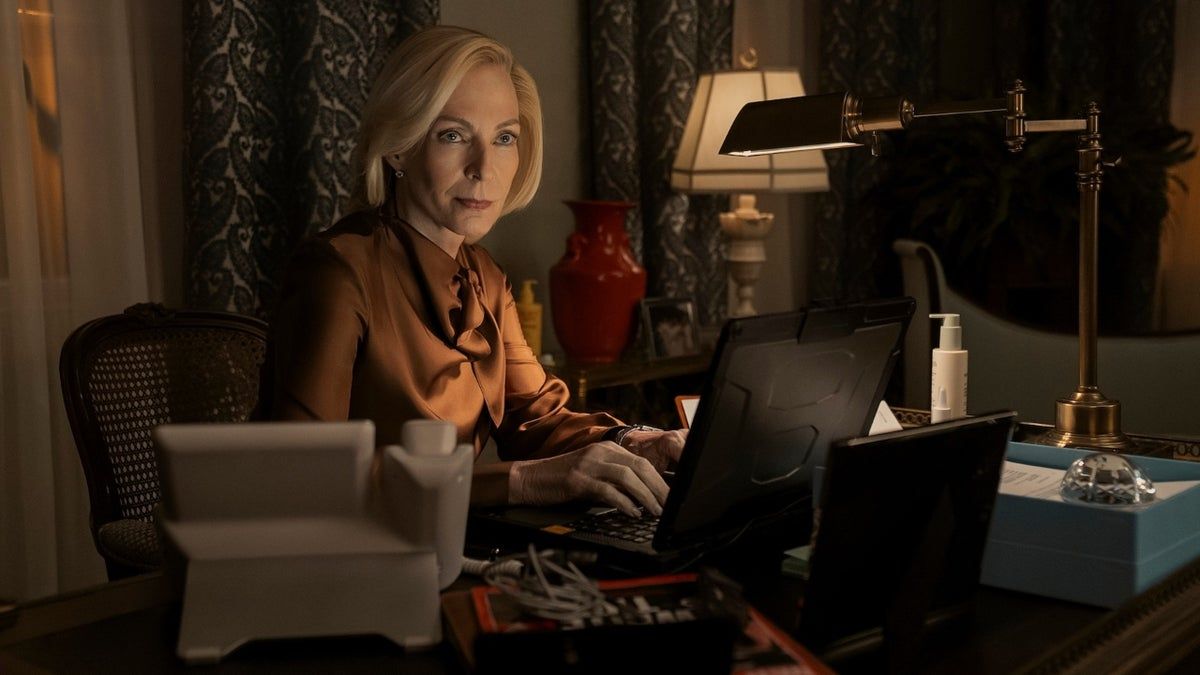
The finale of The Diplomat Season 4 forces one woman to choose between duty and conscience. Kate Wylerplayed by Keri Russellhas spent months battling the president’s directive that could ignite a nuclear crisis. Her struggle culminates in a dramatic resignation before the G7, a move that shatters the U.S. Diplomatic hierarchy and forces key allies to reconsider their loyalties. The stakes are personal and political: Kate’s career, Hal’s future as vice‑president, and the integrity of U.S. Foreign policy hang in the balance.
In the season’s climax, Kate strips her badge before the G7, a symbolic act of defiance that echoes the show’s theme of whistleblowing. By doing so, she exposes the moral bankruptcy of Grace Penn’sAllison Janneystrategy to the world. The gesture is not merely theatrical; it signals that no protocol can shield a decision that threatens global stability. The episode underscores how individual agency can disrupt entrenched power structures, a narrative that resonates with real‑world diplomatic crises where insiders have chosen conscience over compliance.
Hal, portrayed by Rufus Sewell, initially resists Kate’s pleas, fearing political fallout. Yet as the episode unfolds, he witnesses the consequences of Grace’s plan firsthand. His eventual decision to resign as vice‑presidentjoining Kate, Billie, and Ganonhighlights a rare moment of collective dissent in a genre that often glorifies silent obedience. Sewell’s reflection that Hal “gets there, and that’s what I’m very happy about” suggests a broader industry shift toward depicting complex moral choices rather than black‑and‑white heroics.
The fallout from Kate’s resignation extends beyond the American Embassy. British Prime Minister Jodie Whittaker and other international actors are forced to confront the implications of a U.S. Ambassador walking out. The show portrays the diplomatic fallout with stark realism: alliances fracture, trust erodes, and the G7’s cohesion is tested. This narrative mirrors contemporary geopolitical tensions where sudden policy shifts can destabilize long‑standing coalitions.
The episode taps into a larger cultural movement that valorizes whistleblowers. From The Insider to The Crown, television has increasingly spotlighted individuals who confront governmental overreach. By placing Kate at the center of this discourse, The Diplomat joins a lineage of shows that challenge viewers to question authority. This trend reflects a growing appetite for stories that blend political intrigue with ethical dilemmas, catering to audiences who crave both entertainment and intellectual engagement.
Given the dramatic stakes, the next season is likely to explore the repercussions of the G7’s fractured unity. I anticipate the writers will introduce new diplomatic challenges, perhaps involving cyber‑security threats or emerging global powers. The series may also delve deeper into Hal’s backstory, offering viewers insight into the personal cost of political dissent.
In closing, The Diplomat’s Season 4 finale delivers a potent reminder that the courage to speak truth can destabilize institutions but also pave the way for reform. The episode’s bold narrative choices signal a shift in television storytelling, where moral complexity takes precedence over tidy resolutions. As the world watches, the show’s impact will likely echo far beyond the screen, prompting real‑world conversations about accountability in governance.