Movies
What Will Oscar Voters Think of That Wacky Elizabeth Holmes Documentary?
The premiere of You Can See Everything at Telluride on September 6 left audiences bewildered and buzzing.
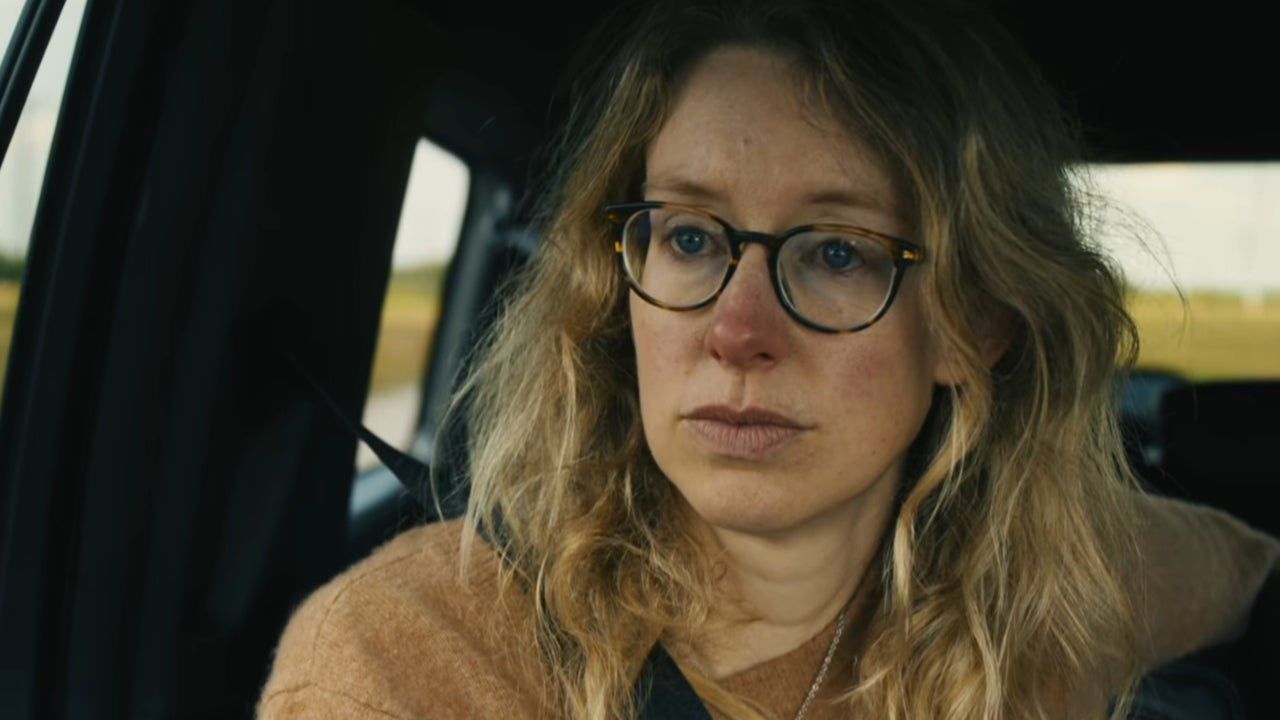
The premiere of You Can See Everything at Telluride on September 6 left audiences bewildered and buzzing. The film, a hybrid of documentary and satire directed by Nathan Fielder and Lance Oppenheim, centers on the enigmatic founder of Theranos, Elizabeth Holmes. The stakes are personal: Holmes, once hailed as a tech visionary, now faces renewed scrutiny, while Fielder and Oppenheim gamble on a format that blurs truth and performance. The movie’s success$15 million at its opening weekend, the biggest documentary opening in 13 yearsraises a simple yet profound question: will Oscar voters reward this audacious experiment?
A24’s decision to back a 2½‑hour documentary with a twist was risky. The opening weekend haul of $15 million eclipses the last decade’s top documentary openings, signalling a shift in audience appetite toward hybrid storytelling. Yet box‑office triumph does not guarantee academy approval. Historically, the Academy’s Documentary Branch has been conservative, favoring straightforward narratives over experimental formats. The film’s performance, however, may pressure the branch to reconsider its criteria, especially as it competes with titles that blend fact and fiction.
In recent years, the Documentary Branch has broadened its lens. American entries have been the minority in five of the last seven years, and the branch has leaned toward mainstream, entertaining documentaries that appeal beyond niche audiences. Films such as Undefeated and Searching for Sugar Man won over more austere contenders. You Can See Everything fits this mold: it is entertaining, star‑powered, and accessible, yet it challenges the very notion of documentary truth. If the branch follows its own pattern, the film could secure a nomination, perhaps even win, by capitalizing on its mass appeal.
Elizabeth Holmes has become a symbol of ambition, hubris, and the consequences of unchecked innovation. Her story intersects with the broader narrative of Silicon Valley’s rise and fall, and the film’s satirical lens magnifies that cultural critique. By presenting Holmes as a “cipher,” the documentary forces viewers to confront the ambiguity of her legacy. This aligns with a growing trend in Hollywood to revisit controversial figures through a critical, often irreverent lens, reflecting society’s appetite for reexamining past myths.
The success of You Can See Everything may signal a pivot in how documentaries are crafted and awarded. If Oscar voters embrace this format, we could see a new wave of “docu‑drama” projects that blend investigative journalism with performative storytelling. The Academy’s willingness to recognize such hybrids will likely hinge on the film’s ability to maintain credibility while entertaining. I predict that within the next election cycle, the Documentary Branch will open its nominations to more experimental works, expanding the definition of what constitutes a documentary.
The film’s receptionboth critical and commercialsuggests that audiences are ready for documentaries that push boundaries. Oscar voters, who historically reward both artistry and accessibility, may find You Can See Everything a compelling case study. Whether it secures a nomination remains uncertain, but the conversation it sparks about truth, narrative, and spectacle will undoubtedly shape future award considerations.