Politics
MCE demands probe of vote-buying, other alleged irregularities in Ekiti poll
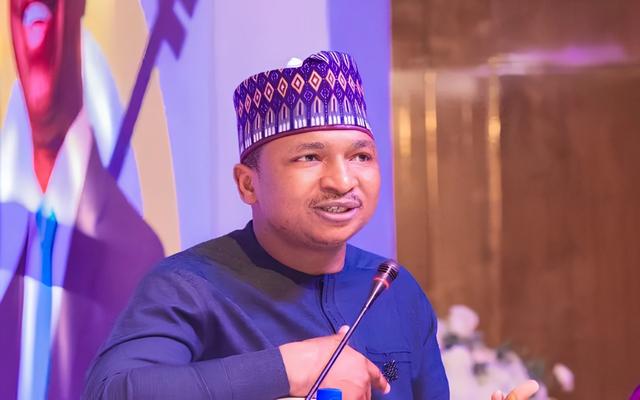
Wale Okunniyi, Convener of the Movement for Credible Elections (MCE), has been at the forefront of advocating for electoral integrity in Nigeria. With over a decade of experience in promoting democracy, Okunniyi's group has been a vocal critic of electoral malpractices. His words carry weight, not just as a leader of a civil society organization but also as a passionate advocate for Nigeria's democratic process. It's against this backdrop that the MCE has called for a thorough investigation into allegations of vote-buying and other electoral irregularities reported in parts of Ekiti State during the recent governorship election.
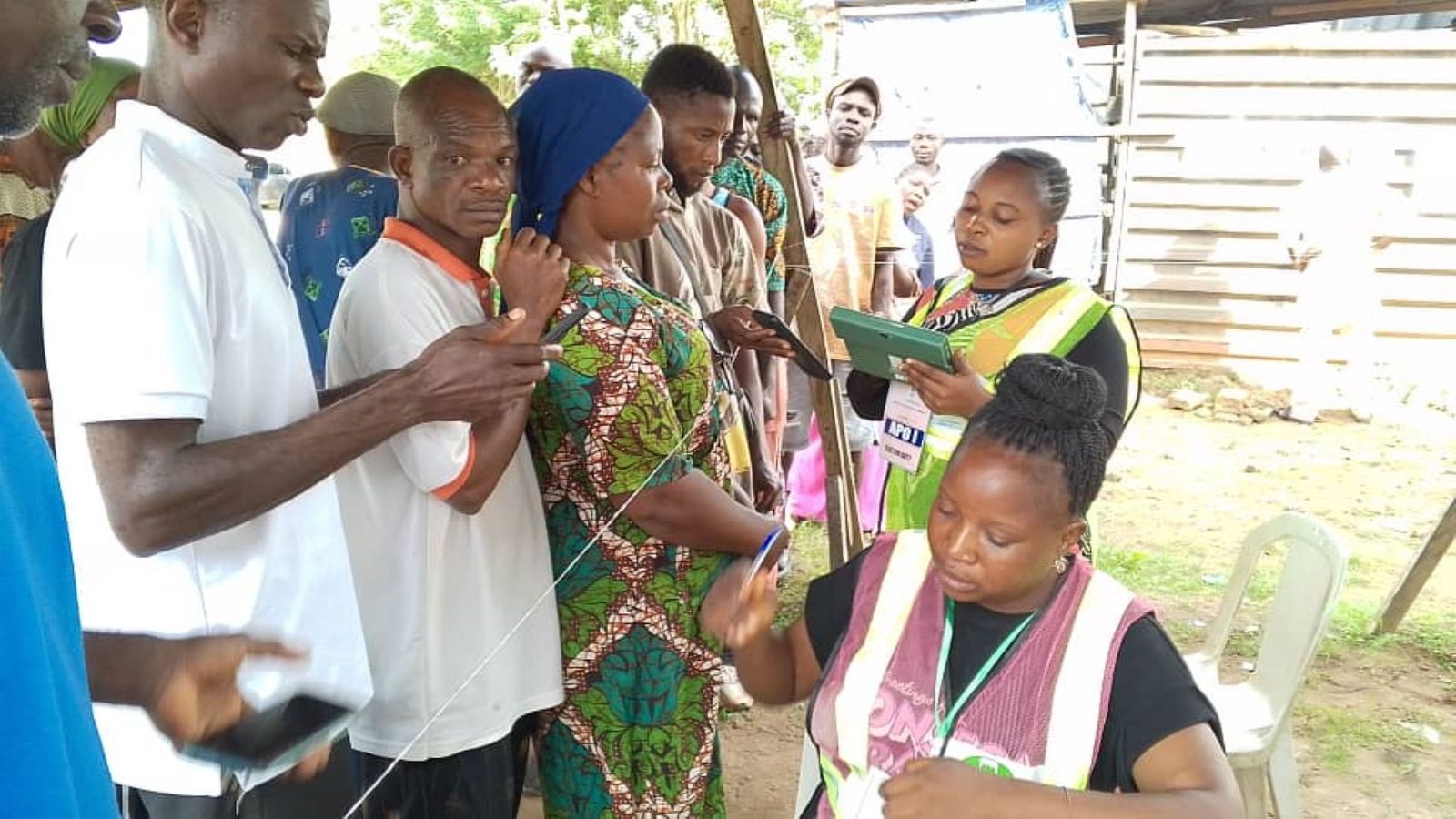
The Movement for Credible Elections has commended the people of Ekiti State for their peaceful conduct, resilience, and commitment to democratic participation during the election. However, the group's praise is tempered by its concerns over allegations of electoral malpractice. Okunniyi acknowledged that voting proceeded peacefully in many polling units but expressed concern over reports and video clips circulating on social media alleging electoral irregularities. The group is particularly troubled by allegations of vote-buying and voter inducement in several polling units.
While the exact number of polling units affected by the allegations is not specified, the MCE's concerns are not without basis. In the 2018 Ekiti governorship election, the Independent National Electoral Commission (INEC) reported that over 200,000 Permanent Voter Cards (PVCs) were not collected. This figure is a cause for concern, especially given the allegations of uncollected PVCs being distributed to individuals suspected of being brought into the state to influence the outcome of the election. If these allegations are established, they would amount to a grave violation of Nigeria's electoral laws and a dangerous threat to the credibility of the democratic process.
Video footage circulating online appears to show a tense exchange among election officials and party representatives over the authenticity of ballot papers. This exchange is a stark reminder of the challenges faced by Nigeria's electoral body in ensuring the integrity of the electoral process. The allegation of pre-thumb-printed ballot papers is a serious one, and the MCE is right to demand a thorough investigation.
The MCE's call for a probe into electoral irregularities in Ekiti State is a symptom of a broader electoral integrity crisis in Nigeria. The country's electoral body has faced criticism for its handling of electoral processes, including the distribution of PVCs, the management of voting materials, and the deployment of security personnel. The 2019 general elections were marred by allegations of vote-buying, voter inducement, and other electoral irregularities. The MCE's demands are a call to action for the electoral body to address these concerns and ensure that future elections are conducted in a transparent and credible manner.
Given the gravity of the allegations and the MCE's demand for a thorough investigation, it is likely that the electoral body will be compelled to act. The INEC has a reputation for being responsive to concerns raised by civil society organizations. In the coming weeks, we can expect to see a formal inquiry into the allegations of vote-buying and electoral irregularities in Ekiti State. This inquiry will be a test of the electoral body's commitment to ensuring the integrity of the electoral process.
In the end, the MCE's demand for a probe into electoral irregularities in Ekiti State is a call to uphold the integrity of Nigeria's democratic process. As the country gears up for future elections, the electoral body must take concrete steps to address the concerns raised by civil society organizations. The integrity of Nigeria's democracy depends on it.