Politics
'We have the numbers': Hamzat Lawal urges young Nigerians to shape Nigeria's political future
The Weight of Demographics Hamzat Lawal stood before a packed audience at the University of Cambridge, his voice ringing out across the room.
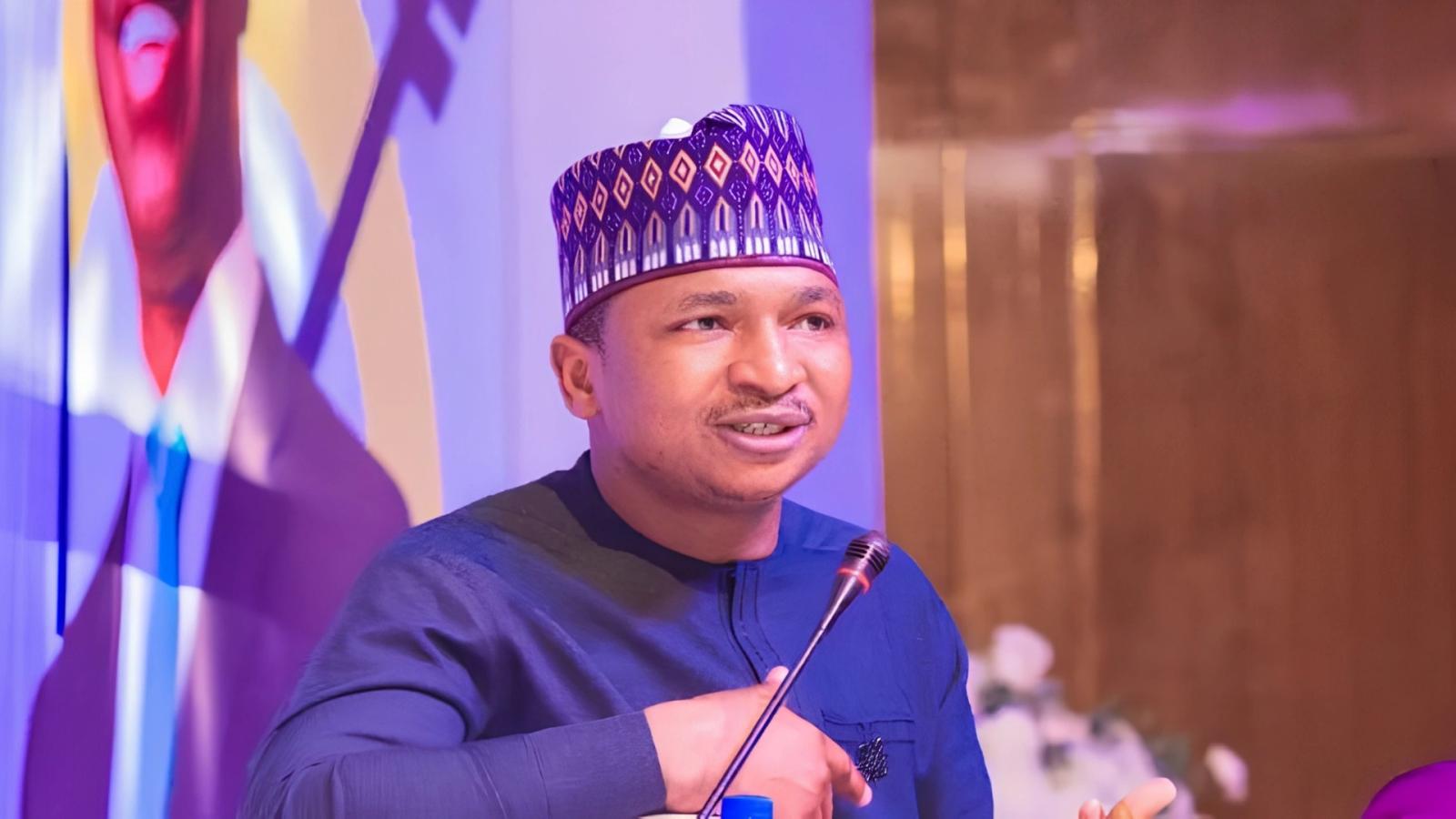
Hamzat Lawal stood before a packed audience at the University of Cambridge, his voice ringing out across the room. As a civic activist and governance advocate, he had spent years pushing for change in Nigeria's political landscape. But today, he was here to make a different point, one that cut to the very heart of the country's future. "We have the numbers," he said, his words hanging in the air. "We determine the outcome."
It was a simple yet profound statement, one that echoed through the crowded hall. For decades, Nigerian politics had been dominated by familiar faces and established power structures. The likes of APC and PDP had long been the driving forces behind the country's governance, with little room for newcomers or fresh ideas. But Nigeria's demographics told a different story. With a significant proportion of its population under the age of 35, the country was, in many ways, a nation of young people.
Lawal's words were not just a call to arms; they were a stark reminder of the country's reality. Nigeria remains one of the world's youngest countries, a fact that holds enormous influence in the hands of its youth population. And yet, despite this demographic advantage, young people continue to be underrepresented in political leadership and decision-making structures. It's a disconnect that has been felt for generations, with little sign of abatement.
But what does this mean for the future of Nigerian politics? For Lawal, the answer lies in the power of organised citizen action. He drew on his own experience as an activist, recounting a visit to Bagega in Zamfara State, where widespread lead poisoning affected children and drew limited government attention. The experience had a profound impact on him, teaching him the importance of mobilising public attention around critical issues. And so, he launched the SaveBagega campaign on social media, mobilising attention and eventually contributing to increased government intervention and funding for affected communities.
For Lawal, questions surrounding public finance remain at the heart of many governance challenges. "Where are funds coming from?" he asked. "Where are they going to? Most importantly, how do our leaders judiciously use this money?" It's a question that has haunted Nigeria for years, with little sign of resolution. But for Lawal, the answer lies in the power of citizen action. By tracking public expenditure and ensuring that public resources reach intended beneficiaries, initiatives like Follow The Money can help to bridge the gap between citizens and their leaders.
So what does this mean for young Nigerians, living both at home and abroad? For Lawal, it's a call to action, a reminder that they have the power to shape the country's future. By participating in politics, governance, and public leadership, they can help to create a more just and equitable society. And it's not just about voting during elections; it's about becoming active contributors to the country's democratic future.
As I listened to Lawal's words, I couldn't help but think of the countless young Nigerians who are already making a difference. From the activists fighting for environmental justice to the entrepreneurs creating jobs and opportunities, there are countless examples of young people making a positive impact. And yet, for all their efforts, they remain underrepresented in the country's leadership structures.
But what if we were to imagine a different future, one where young Nigerians were at the forefront of the country's leadership? Where they were able to shape policy and decision-making structures, using their unique perspectives and experiences to drive positive change? It's a tantalising prospect, one that holds enormous promise for the country's future.
As I reflect on Lawal's words, I am reminded of the power of demographics. Nigeria's youth population is a demographic reality that holds enormous influence, and it's time for young people to seize that power. By participating in politics, governance, and public leadership, they can help to create a more just and equitable society, one that reflects their hopes, aspirations, and values., will they rise to the challenge?## Key Facts:
- Nigeria remains one of the world's youngest countries, with a significant proportion of its population under the age of 35.
- Despite this demographic advantage, young people continue to be underrepresented in political leadership and decision-making structures.
- Follow The Money is an accountability initiative dedicated to tracking public expenditure and ensuring that public resources reach intended beneficiaries.
- Hamzat Lawal is a civic activist and governance advocate who has spent years pushing for change in Nigeria's political landscape.