News
Meet Nkechi Okenwa, the Engineer Helping More Nigerian Women Break Into Renewable Energy
Nkechi Okenwa stepped into her office on a rainy Lagos morning, the blinds pulled back to reveal a city alive with motion.
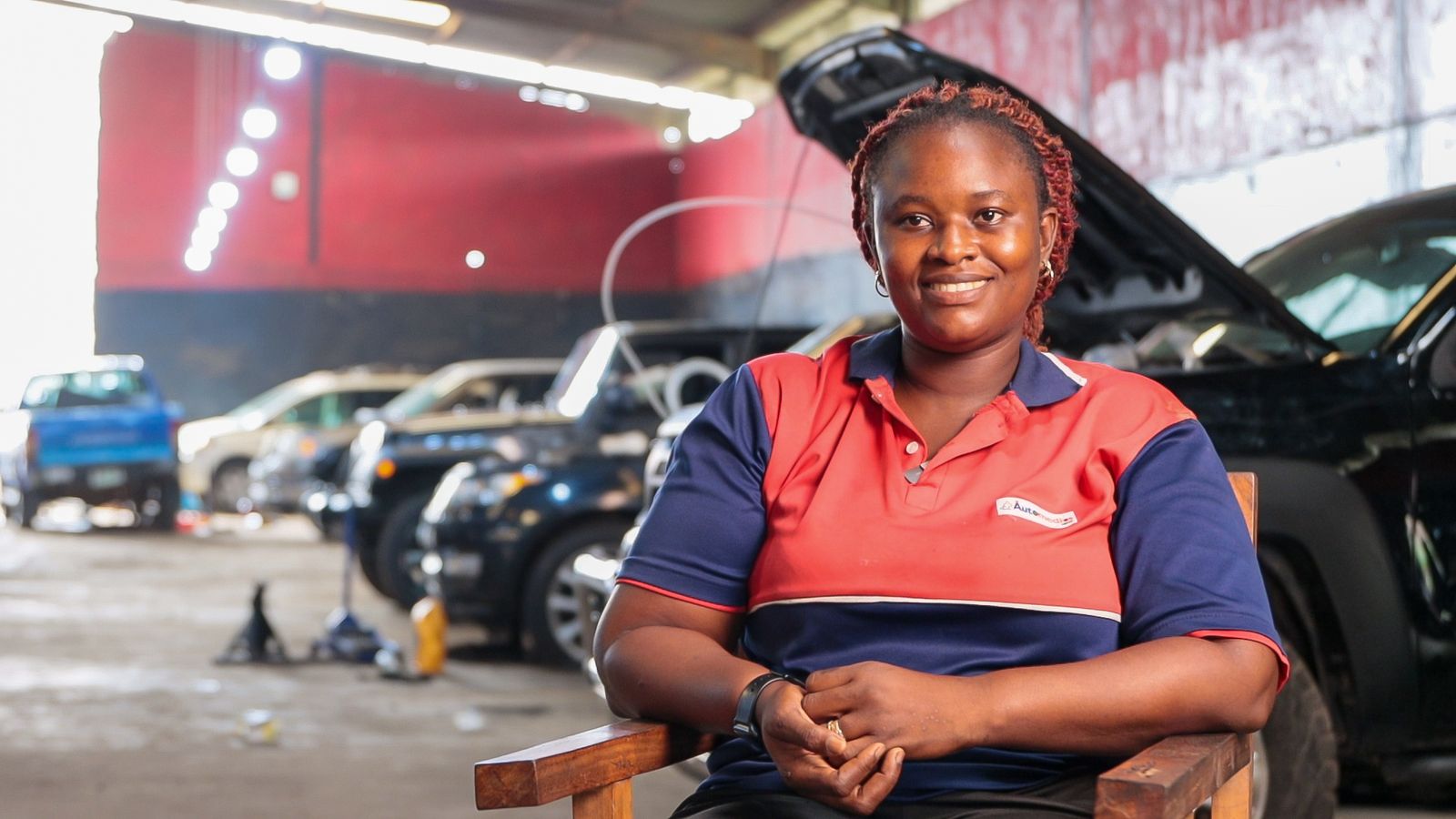
Nkechi Okenwa stepped into her office on a rainy Lagos morning, the blinds pulled back to reveal a city alive with motion. Cars cut through traffic, traders set up stalls, and the low hum of generators drifted from a nearby market. She paused, smiled quietly, and let the day’s energy seep into her own pulse. For her, electricity was never just a utility; it was a catalyst for movement, opportunity, and transformation.
Growing up in Nigeria, Nkechi watched as a single switch could turn darkness into light, turning a quiet room into a space of possibility. That simple act planted a question in her mind: why was electricity, a force of such power, still out of reach for many? When she chose her university major, she opted for electrical electronics engineering, a field that, at the time, seemed almost exclusively male. In a lecture hall of over 220 students, only 12 were womenjust five percent. The stark imbalance was intimidating, but it also lit a fire in her. She thought, “If I can navigate this space, others can too.” That thought became the seed for a mission that would grow far beyond her own career.
Nkechi’s persistence paid off. She became the CEO of Energy Excell Systems and Solutions, a company that designs and implements renewable energy projects across Nigeria. But she didn’t stop there. Recognizing that the industry’s gender gap was a systemic issue, she founded the Women in Energy and Economic Sustainability Initiative (WEESI). WEESI’s mandate is to integrate women into every level of the renewable energy sectorfrom technical roles to leadership positions. By creating mentorship programs, training workshops, and networking events, WEESI seeks to dismantle the barriers that once limited her own opportunities.
When I watched Nkechi speak at a local workshop, her words resonated beyond the technical jargon. She described how a solar panel on a rural home could power a child’s study lamp, how a wind turbine could generate income for a family that once relied on diesel generators. These stories are not abstract statistics; they are lived realities that shift the trajectory of communities. Nkechi’s work demonstrates that renewable energy is not just about reducing carbon footprintsit is about empowering people, especially women, to take charge of their futures.
Lagos, Nigeria’s economic engine, has long been a city of contrasts. While skyscrapers rise beside bustling markets, the energy infrastructure lags behind. Nkechi’s initiatives address this gap directly. By installing solar arrays in underserved neighborhoods, she is not only providing clean power but also creating jobs and fostering local entrepreneurship. Her approach reflects a broader cultural shift: Nigerians are increasingly recognizing the value of sustainable development and the role women can play in leading it.
Despite progress, the path forward is not without obstacles. Funding remains a significant hurdle, as does the need for policy support that encourages female participation in STEM fields. However, initiatives like WEESI are already influencing policymakers, urging them to create incentives for women-led renewable projects. Nkechi’s story underscores the importance of visibilityseeing a woman in a leadership role can inspire the next generation to pursue similar paths.
I find myself reflecting on how a single individual’s determination can ripple across an entire industry. Nkechi’s journey from a curious teenager to a trailblazing CEO illustrates that change is possible when passion meets purpose.
Looking ahead, Nkechi plans to expand WEESI’s reach into rural regions, partnering with local NGOs to deliver training programs tailored to community needs. As Nigeria moves toward a greener future, her work will likely serve as a blueprint for inclusive growth, proving that when women lead the charge, the entire nation benefits.