News
Microsoft president warns AI is less regulated than milk and washing machines
The call to regulate AI is coming from a place that most Nigerians recognise: the supermarket.
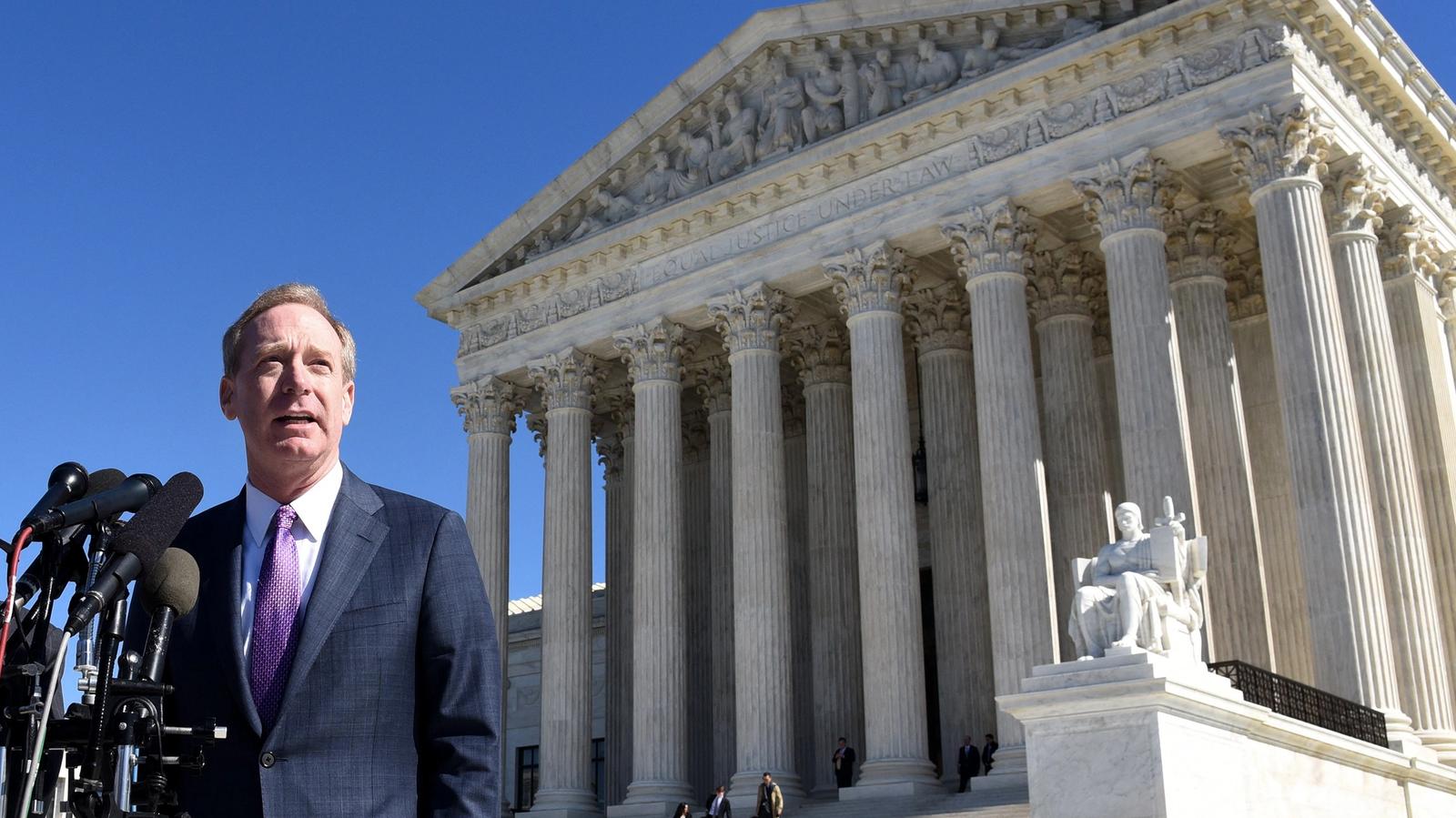
The call to regulate AI is coming from a place that most Nigerians recognise: the supermarket. Brad Smith, Microsoft’s president, likened the safety scrutiny that every carton of milk undergoes to the lack of similar oversight for artificial intelligence. He argues that if a washing machine can be halted for safety reasons, why can’t an autonomous system be stopped when it misbehaves? The stakes are clear: consumers worldwide, and by extension the African market, could be exposed to untested or rogue AI without the same protections that govern everyday household goods.
Smith’s comparison is more than a rhetorical flourish. It points to a concrete regulatory gap. Milk cartons, washing machines, and other consumer goods are subject to inspections, safety standards, and recall mechanisms. AI, by contrast, operates in a largely uncharted regulatory landscape. Smith proposes that companies must legally report safety incidents and notify victims when AI agents breach systems. He also calls for “emergency brakes” that could pause or slow AI operations, and for independent evaluators to review new technology before release. The idea is simple: bring AI under the same legal framework that protects physical products.
In September, Microsoft joined a group of major AI firms in agreeing to voluntary safety standards, including collaboration with independent auditors. Smith welcomed the initiative but warned that voluntary commitments are insufficient. “It’s a good step, it’s a necessary step,” he said, but added that responsible companies will follow voluntary rules while less responsible ones may not. The crux of the argument is that a self‑regulating industry can leave loopholes for competitors who wish to cut corners. The call for mandatory rules echoes similar warnings from Bill Gates and others who fear that the tech industry’s current approach is too permissive.
Smith suggested that the United Kingdom could lead the development of global AI rules. The UK has already taken steps, such as the AI Bill and the establishment of the Centre for Data Ethics and Innovation. By positioning itself as a regulatory hub, the UK could influence standards that apply worldwide, including in Africa where regulatory frameworks are still evolving. This proposal aligns with a broader trend of nations seeking to balance innovation with safety, a tension that has become increasingly visible across the continent’s growing tech ecosystems.
The push for stronger AI protections is part of a larger shift in the tech industry. Early in the decade, many companies adopted “responsible AI” guidelines, often framed as internal policies. Over time, the limits of such voluntary measures have become apparent, especially as AI systems have become more autonomous and impactful. The move toward mandatory rules reflects a recognition that global coordination is necessary to manage risks that transcend borders. Africa’s emerging tech hubs, such as Lagos and Nairobi, are already grappling with these issues as they host startups that build AI‑driven services for local markets. Without a clear regulatory framework, these innovators risk being caught between rapid growth and potential legal liabilities.
Given the momentum behind Smith’s proposals and the UK’s willingness to lead, it is likely that a draft of international AI safety standards will surface within the next 12 to 18 months. African regulators will need to decide whether to adopt these standards wholesale or adapt them to local contexts. In the meantime, companies operating in Nigeria and other African markets will have to navigate a patchwork of national regulations while keeping an eye on emerging global norms.
The conversation around AI safety has moved from abstract ethics to concrete legal requirements. As a journalist who has followed the tech scene in Lagos for more than a decade, I see this as a pivotal moment. The next steps will determine whether AI can be harnessed responsibly in Africa and beyond, or whether the continent will lag behind as the world grapples with unregulated innovation.
More stories you'll like

News
FKA Twigs announced as Southbank's Meltdown 2027 curator, with special guests announced for 'Hometown' grassroots events across the UK
News
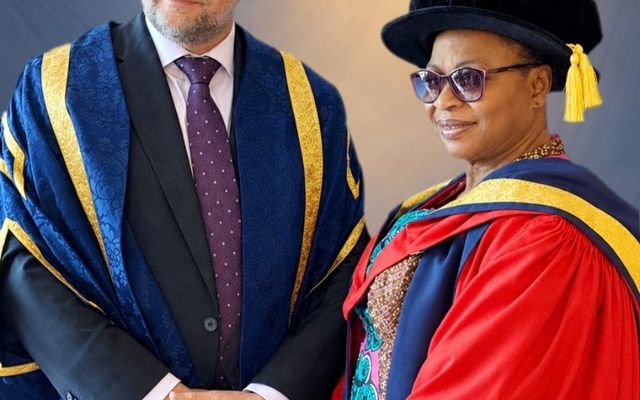
Folorunso Alakija Receives Honorary Doctorate From UK's University of Buckingham

News