News
Morrissey says "diversity is a lie" as he hits out at BBC for not playing single
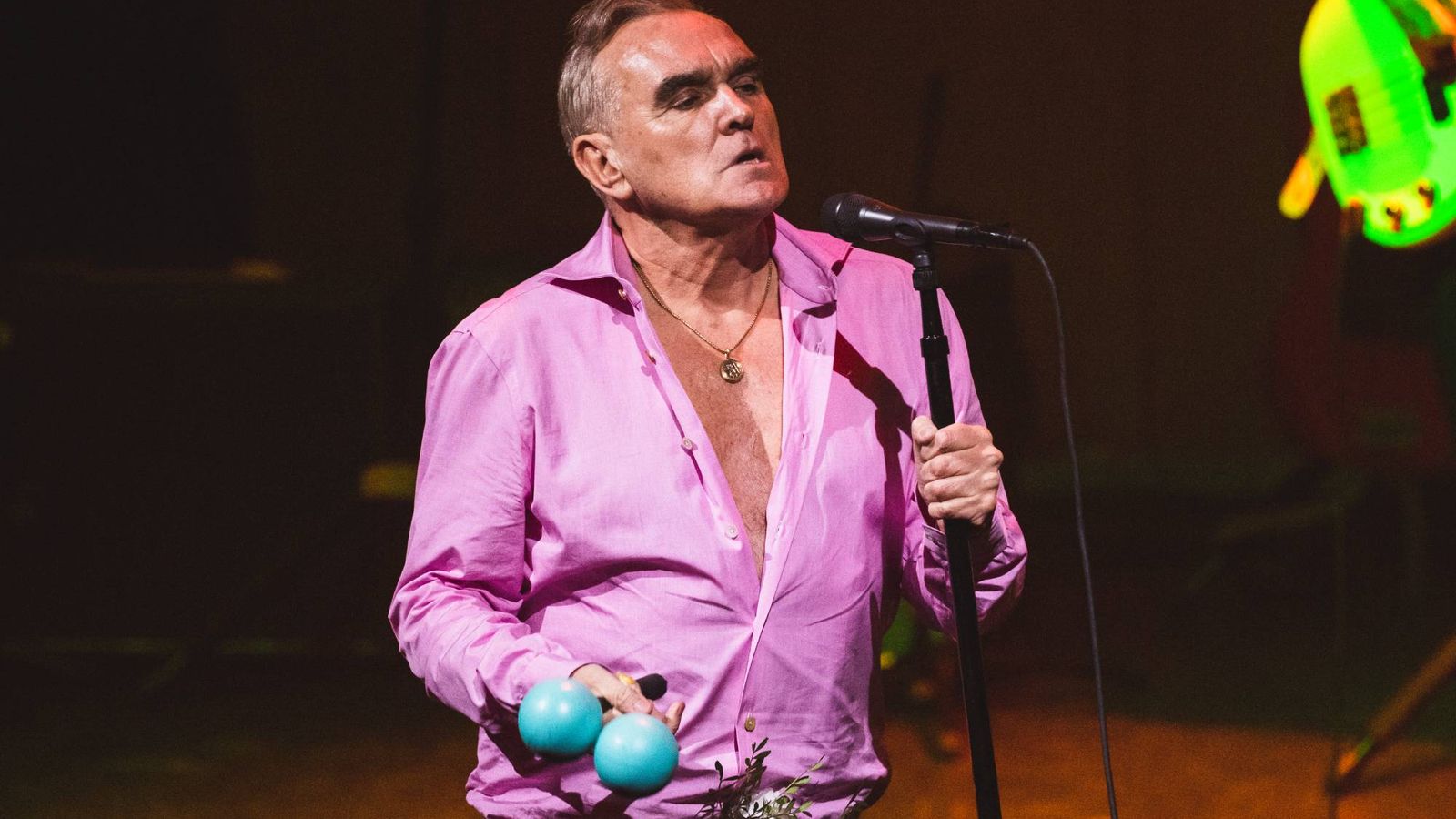
In a scathing post on his website Morrissey Central, the former Smiths singer Morrissey unleashed a bitter attack on the BBC for not playing his new single 'Notre-Dame'. The song had reached Number Six on the Official Singles Sales Chart, Number Five on the Physical Singles Chart, and Number Four on the Vinyl Singles Chart, yet it hadn't charted on the main Official Singles Chart. Morrissey's frustration was palpable as he pointed out that the BBC, as a public service, was duty-bound to reflect public taste. The implication was clear: the BBC was censoring his music.
Morrissey's outburst was a symptom of a deeper concern, the perceived stifling of independent thought in the music industry. He claimed that if a song is suspected of independent thought, it's unlikely to be played on the BBC. This was a veiled attack on the BBC's commitment to diversity, which Morrissey saw as a euphemism for strict regulations and punishments. In his words, "If the song is suspected of independent thought, God forbid!" It was a bold statement, one that reflected Morrissey's long-standing reputation as a provocative and uncompromising artist.
'Notre-Dame' was inspired by the tragic fire at the historic Parisian cathedral in 2019. The song's origins were a poignant reminder of the power of music to capture the mood and emotions of a nation. Morrissey's lyrics were a reflection of his own experience and perspective, and he had no qualms about expressing his views, no matter how contentious they may be. The song's release was a significant moment in Morrissey's solo career, marking a return to form after a six-year hiatus.
Morrissey's decision to publicly criticize the BBC was a calculated move, one that would likely generate publicity and attention for his music. His team had recently taken down a parody post of 'The Malefactors' enemy list after it went viral online, and Morrissey had also shared an update on what he described as "the very worst case of online identity fraud". The former Smiths singer was not one to shy away from controversy, and his latest salvo against the BBC was just another chapter in his long and often contentious career.
Despite the BBC's apparent reluctance to play 'Notre-Dame', the song had still managed to chart on several other platforms. The public, it seemed, was eager to hear Morrissey's music, even if the BBC was not. As Morrissey himself noted, "The public wants to hear the song, but the BBC will not play it even though their stations are a public service duty-bound to reflect public taste." It was a powerful indictment of the BBC's role in shaping musical taste, and evidence of Morrissey's enduring popularity as an artist.
- Morrissey's new single 'Notre-Dame' reached Number Six on the Official Singles Sales Chart and Number Five on the Physical Singles Chart.
- The song has not charted on the main Official Singles Chart.
- Morrissey has accused the BBC of censoring his music.
- The former Smiths singer has a long history of controversy and public feuds.
- Morrissey's new album 'Make-Up Is A Lie' reached Number Three on the Official Albums Chart.
As a writer, I am struck by the contradictions in Morrissey's character. On the one hand, he is a passionate and uncompromising artist who refuses to be silenced. On the other hand, he is a master of self-promotion and controversy, often using his music as a vehicle for his own personal agenda. Whatever the truth may be, one thing is certain: Morrissey's music continues to resonate with audiences around the world, even if the BBC is not willing to play it.