News
NECLive & Frontyard Group Release New Report on the State of Nigeria's Creative Economy
The Systems Have Not Kept Up: Unpacking Nigeria's Creative Economy Report Tomiwo Ojo, Head of Content at ID Africa, said it best: "We have never lacked influence.
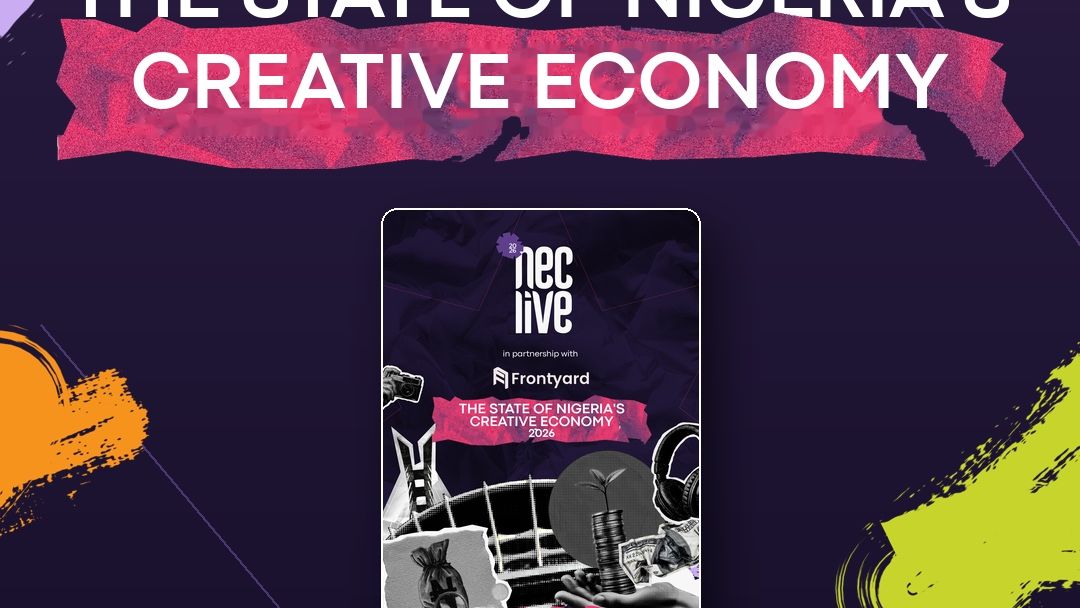
Tomiwo Ojo, Head of Content at ID Africa, said it best: "We have never lacked influence. What we have lacked is evidence about the machinery beneath that influence and the honest conversation that evidence makes possible." For Nigeria's creative economy, that conversation has finally arrived, courtesy of NECLive and Frontyard Group's comprehensive report, The State of Nigeria's Creative Economy 2026. This report is a turning point, and it's about time.
The report's central finding is a bombshell: a shortage of talent is not holding Nigeria's creative economy back; it's the ecosystem and machinery surrounding that talent. The 377 creative professionals surveyed across eight sectors have spoken, and their voices are loud and clear. They've identified structural barriers that are limiting their ability to scale, from basic infrastructure deficits to friction in payment systems and deficient financing and training. These are not abstract concerns; they're the daily realities of working creative professionals who've shown up and told the truth about their working lives. The talent has done its part; now it's time for the systems to catch up.
The report's findings are a stark reminder of the creative sector's struggles. Creative professionals are not just talented individuals; they're entrepreneurs, small business owners, and employees who need functional infrastructure, administrative systems, and payment rails to operate. They need training, financing, and support to scale. The survey participants didn't mince words: they identified clear structural barriers that are holding them back. These are not just issues of government policy or private sector investment; they're the everyday challenges that creative professionals face. The report's diagnosis is both clarifying and urgent: it's time for the systems to catch up.
The report's recommendations are clear, actionable, and directed at government, investors, and the private sector. This is not just a report to be read; it's a document built to be used. It's available for free download, and policymakers, industry stakeholders, and the public can access it now. Will they listen? Will they take the evidence and use it to build a sector that's ready to scale? The talent is there; the systems are not. It's time for a change.
The report's release is a significant milestone, but it's just the beginning. The real work starts now. The report's recommendations will need to be implemented, and that will require a concerted effort from government, investors, and the private sector. It will require a shift in mindset, a willingness to listen to the creative professionals who've spoken up, and a commitment to building a sector that's ready to scale. The talent has done its part; now it's time for the systems to catch up. Will they?
The creative sector is Nigeria's future, and it's time for the systems to catch up. The report's release is a wake-up call, and it's up to policymakers, industry stakeholders, and the public to take action. The talent is there; now it's time to build the systems that will support it.