News
Over 150 songs were deemed too 'offensive' to be played after 9/11
The night the world stopped was a day that rewrote the soundtrack of America.
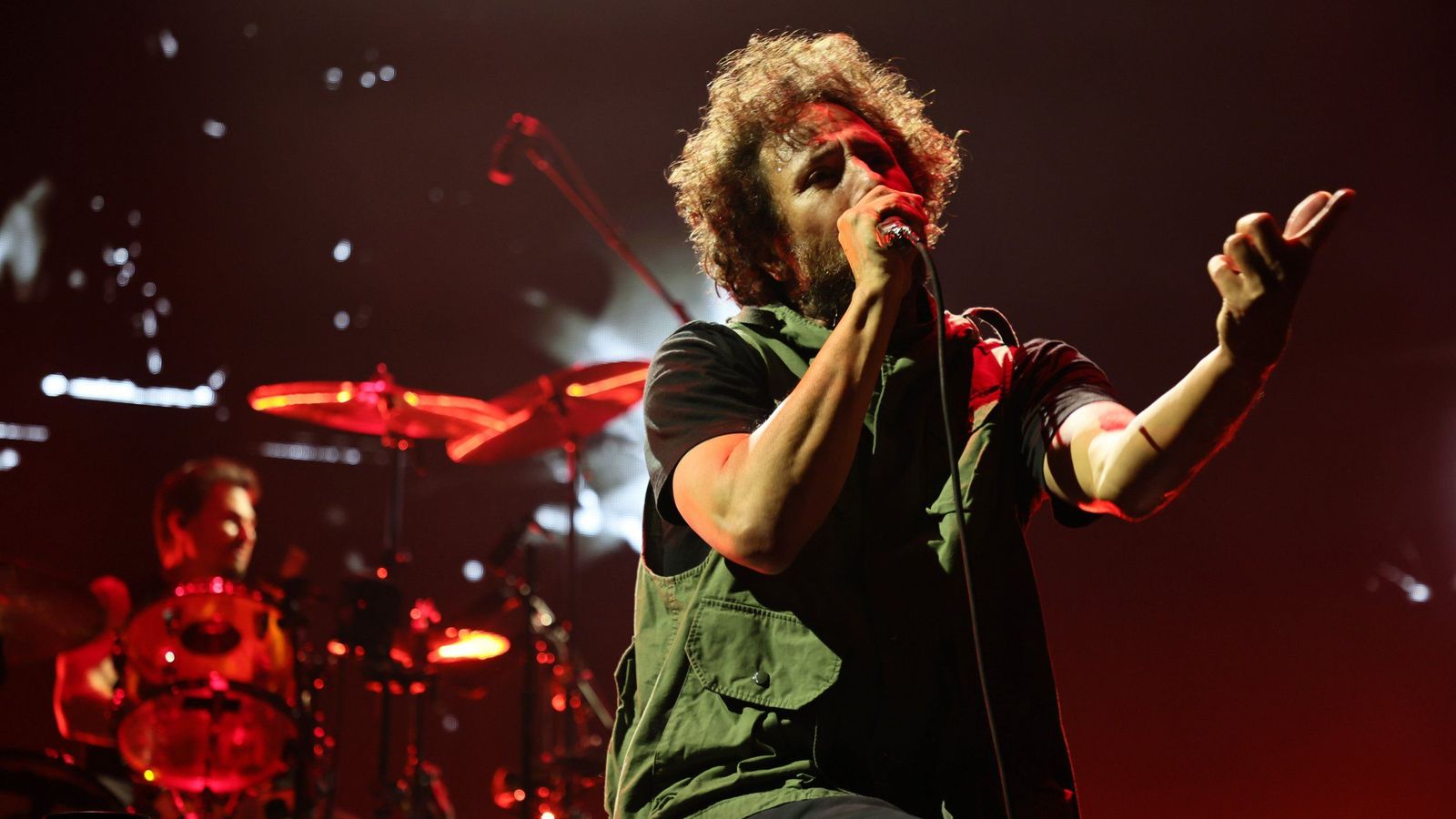
The night the world stopped was a day that rewrote the soundtrack of America. In the early hours of September 11, 2001, the roar of four aircraft shattered the skyline of New York, Washington and Pennsylvania. In the aftermath, the airwaves fell silent, and a memo from Clear Channel, the then‑largest radio operator, listed 160 tracks that would no longer be played for its 100‑million‑plus weekly listeners. The list, now a relic of post‑9/11 panic, was leaked and has since become a touchstone for debates about censorship, taste and the cultural memory of a nation in mourning.
When the memo first surfaced, it was framed as guidance for DJs navigating a country still reeling from shock. Yet the sheer breadth of the banevery song by Rage Against the Machine, the inclusion of The Beatles, Elton John and AC/DCsuggests a more deliberate effort to sanitize the airwaves. The list also excluded songs that referenced flying, crashes or heaven, and even the famously uplifting “What A Wonderful World” by Louis Armstrong. The decision to ban “Imagine” by John Lennon further underscored the desire to avoid any lyrical content that might evoke the tragedy.
For the artists whose work was pulled, the impact was immediate and tangible. Drowning Pool, a rising metal act at the time, saw their breakout single “Bodies”with its line “Let the bodies hit the floor”removed from rotation. Bassist Stevie Benton later told the Washington Post that the band felt “attacked personally on 9/11 as all America did,” and that the ban had “hurt their trajectory as a band.” The loss of airplay meant fewer live audiences, reduced sales, and a stalled momentum that could have altered the band’s future.
The list was dominated by male artists, with only a handful of female voices slipping through. Alanis Morissette and Carole King were among the few women whose songs were banned. This skew reflects broader industry patterns where male-dominated genresespecially hard rock and metalwere more likely to be deemed “offensive” in a post‑9/11 context. The marginalization of female artists in the list highlights how cultural gatekeeping can intersect with gendered expectations of musical content.
The memo’s legacy extends beyond the immediate fallout for musicians. It has become a symbol of how media conglomerates wield power to shape collective memory. By censoring certain tracks, Clear Channel effectively dictated what the public could hear during a period of national grief. The decision to ban songs that celebrated joy or peacelike Armstrong’s anthemreveals a paradox: in the quest to avoid pain, the industry also silenced comfort.
In 2026, Far Out Magazine compiled a Spotify playlist of every track deemed “too offensive.” The list, now a digital archive, invites listeners to confront the moment when music was stripped from public life. The playlist includes the same heavy hittersThe Beatles, Elton John, AC/DC, and the entire catalog of Rage Against the Machineand serves as a reminder that the cultural fallout from 9/11 still reverberates.
I find it unsettling that a single memo could dictate the emotional landscape of an entire nation for weeks. The decision to silence certain voices, even if well‑intentioned, illustrates how fear can override artistic freedom. As we mark the 25th anniversary of the attacks, the playlist stands as evidence of a time when the radio dial was turned off not just by tragedy, but by a corporate hand.
The story of those 160 banned songs is not merely a footnote in media history; it is a case study in how crises can reshape cultural consumption. As the industry moves forward, the lesson is clear: the power to silence is as potent as the power to amplify, and the choices made in moments of panic can echo for generations.