News
PlayStation fans plan PS5 protest with one week of not playing any video games
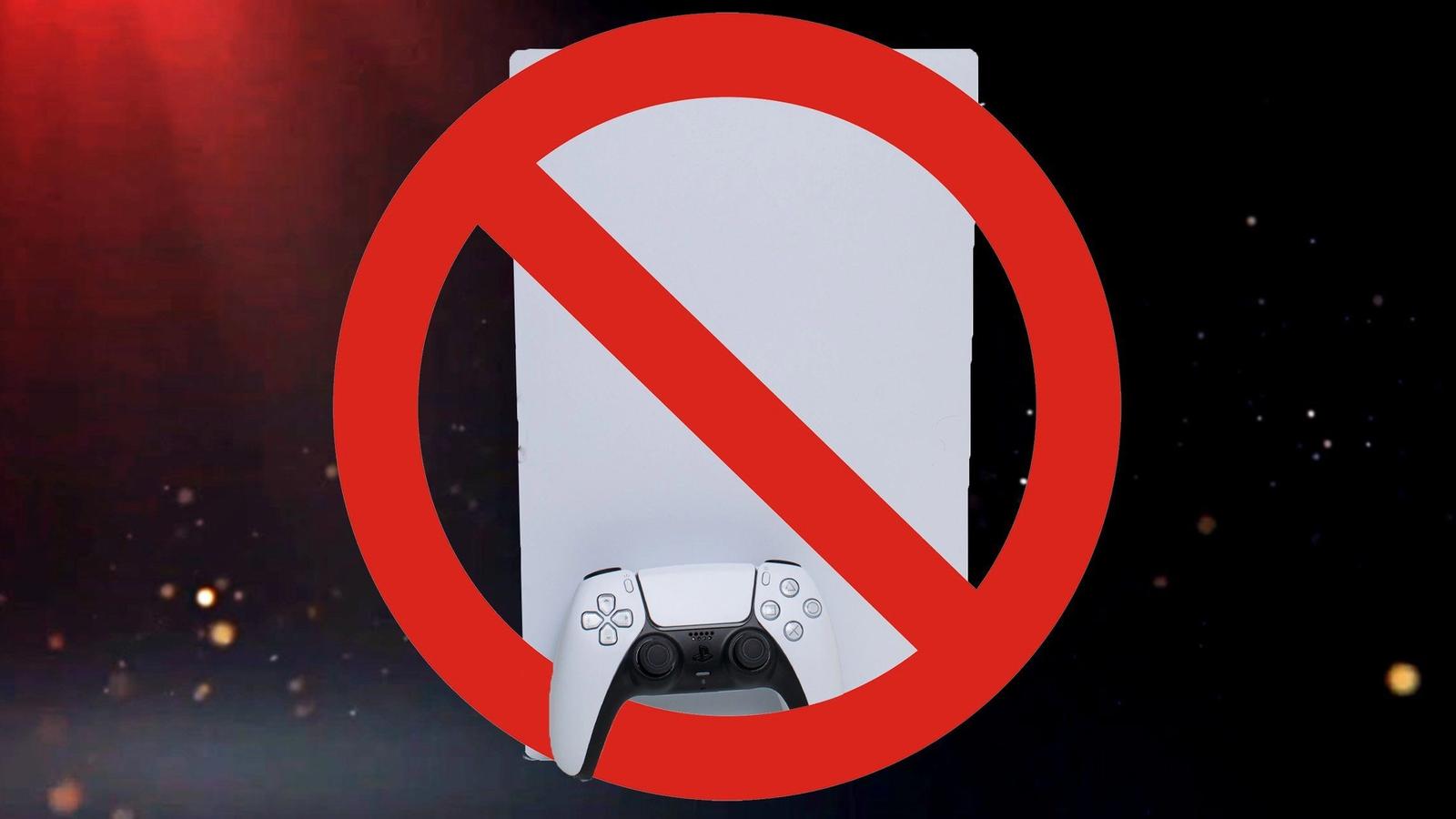
It's a sweltering Sunday afternoon in July, and DoesItPlay1, a vocal PlayStation fan, is sitting in front of their console, scrolling through social media. Their eyes widen as they see the response pouring in to their call to action: a week-long PS5 blackout. The plan is simple, no logins, no play sessions, and no purchases on any of Sony's platforms from August 23 to August 30. The message is clear: Sony, listen to your fans.
The decision to stop producing PlayStation game discs after 2028 has been met with outrage from some fans, who feel that Sony is abandoning them. Organisers of the protest point to the closure of Bluepoint, the absence of historic franchises like Twisted Metal and Sly Cooper, and live service games as reasons for their discontent. For DoesItPlay1, the writing is on the wall: "Sony has continued to grow further apart from its fan base over the PlayStation 5 generation."
The protest, which has already garnered over 4,500 shares and 13,000 likes on social media, is a call to arms for players to take a stand against Sony's decision. But will it be enough to get the company's attention? The answer lies in the numbers. The PlayStation 5 has a massive player base, and a decline in player count would be a significant blow to Sony's metrics. However, the reality is that the decline of physical games is largely down to the buying habits of gamers, with digital sales far surpassing physical.
In recent years, the gaming industry has undergone a significant shift towards digital sales. The convenience of downloading games directly to a console has become a major draw for many players. However, this shift has come at a cost. Physical games, which were once a staple of the gaming industry, are now a dying breed. The decision to stop producing PlayStation game discs after 2028 is a reflection of this trend.
For some fans, the loss of physical games is a bitter pill to swallow. They argue that the tactile experience of holding a game in their hands, admiring the artwork and reading the instructions, is an essential part of the gaming experience. The protest is, in part, a reaction against this shift towards digital sales.
The PS5 blackout protest may not be a turning point for Sony, but it could be a wake-up call. If millions of players tune out in unison, it could send a signal to the company that their fans are not happy with the current direction of the PlayStation brand. However, the protest's impact will depend on the number of players who participate. If the decline in player count is minimal, it may not be enough to get Sony's attention.
As the gaming industry continues to evolve, it's likely that physical games will become a thing of the past. However, the protest highlights the importance of listening to fans and understanding their needs. Sony's decision to stop producing PlayStation game discs after 2028 may be a business decision, but it's also a reflection of the changing gaming landscape.
As the PS5 blackout protest gains momentum, it's clear that the gaming community is eager to be heard. The protest may not be a revolution, but it's a statement of intent. Sony, listen to your fans. The future of physical games is uncertain, but one thing is clear: the gaming community will not be silenced.