News
Quick Fire 🔥 with Zubair Timilehin
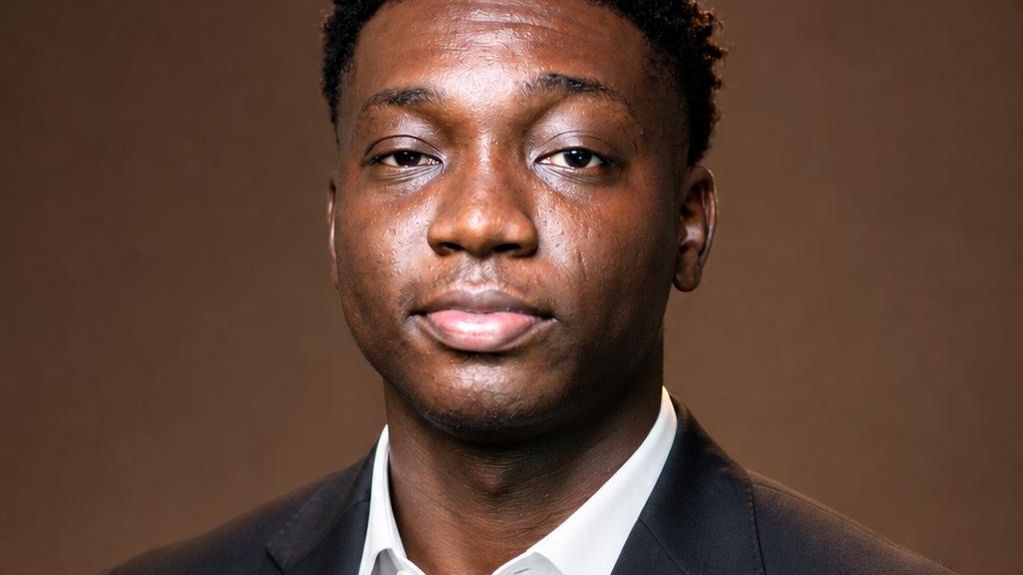
Zubair Habib Timilehin is a name that has been whispered in hushed tones within the fintech circles of Lagos, particularly among the enthusiasts of blockchain and digital assets. As the founder and CEO of Bitoshi, a startup that has been quietly revolutionizing the way Africans transact and save, Zubair's work has been making waves in the industry. I had the chance to catch up with him, and I was struck by his unassuming demeanor and unwavering commitment to his vision of a future where financial inclusion is not just a buzzword, but a reality.
Imagine walking into a store, picking up two toys, and knowing exactly which one to grab without needing any instructions. That's the simplicity that Zubair aims to bring to the world of finance with Bitoshi. His job, as he puts it, is to "help build money tools that feel like the second toy." In a world where traditional finance and blockchain technology often seem like two separate entities, Zubair is bullish on merging the two. He believes that the future of finance lies not in choosing one over the other, but in combining the strengths of both.
For Zubair, the merging of traditional finance and blockchain technology is not just a theoretical concept; it's a vision that he's actively working towards. He envisions a world where people don't care whether a payment runs on a bank's rails or a blockchain, all they care about is that it's instant, affordable, secure, and works anywhere in the world. This is a world where the technology powering our financial experiences becomes invisible, much like the underlying infrastructure of a website that runs smoothly without us even realizing it.
As a Nigerian, Zubair's focus on Africa is not just a coincidence. He believes that the continent holds the key to unlocking the true potential of blockchain technology and digital assets. With nearly 100,000 users, Bitoshi has grown to become a significant player in the African fintech space. Zubair's work is driven by a commitment to removing barriers to financial inclusion, and his focus on the future of digital payments, stablecoins, and blockchain-powered financial infrastructure in Africa is evidence of his dedication to the continent's growth.
As we spoke, I couldn't help but notice the excitement in Zubair's voice as he spoke about the future of finance. He's not just talking about a hypothetical scenario; he's actively building the infrastructure that will make it a reality. With Bitoshi, he's creating a platform that's already changing the way people transact and save in Africa. It's a reminder that the future is not just something that's waiting to happen; it's something that's already unfolding, and it's up to us to be a part of it.
As I wrapped up my conversation with Zubair, I couldn't help but feel a sense of optimism about the future of finance in Africa. With visionaries like Zubair at the helm, the possibilities are endless. As he so aptly put it, "If we've done our job well, people won't think about how it works; they'll simply know it works." It's a future that's not just about technology; it's about people, and the simple, yet profound, impact that it can have on their lives.