Sports
Samuel L Jackson declares Argentina 'racist' after controversial World Cup final
Samuel L Jackson Declares Argentina 'Racist' After World Cup Final, But Does He Know What He's Talking About? Samuel L.
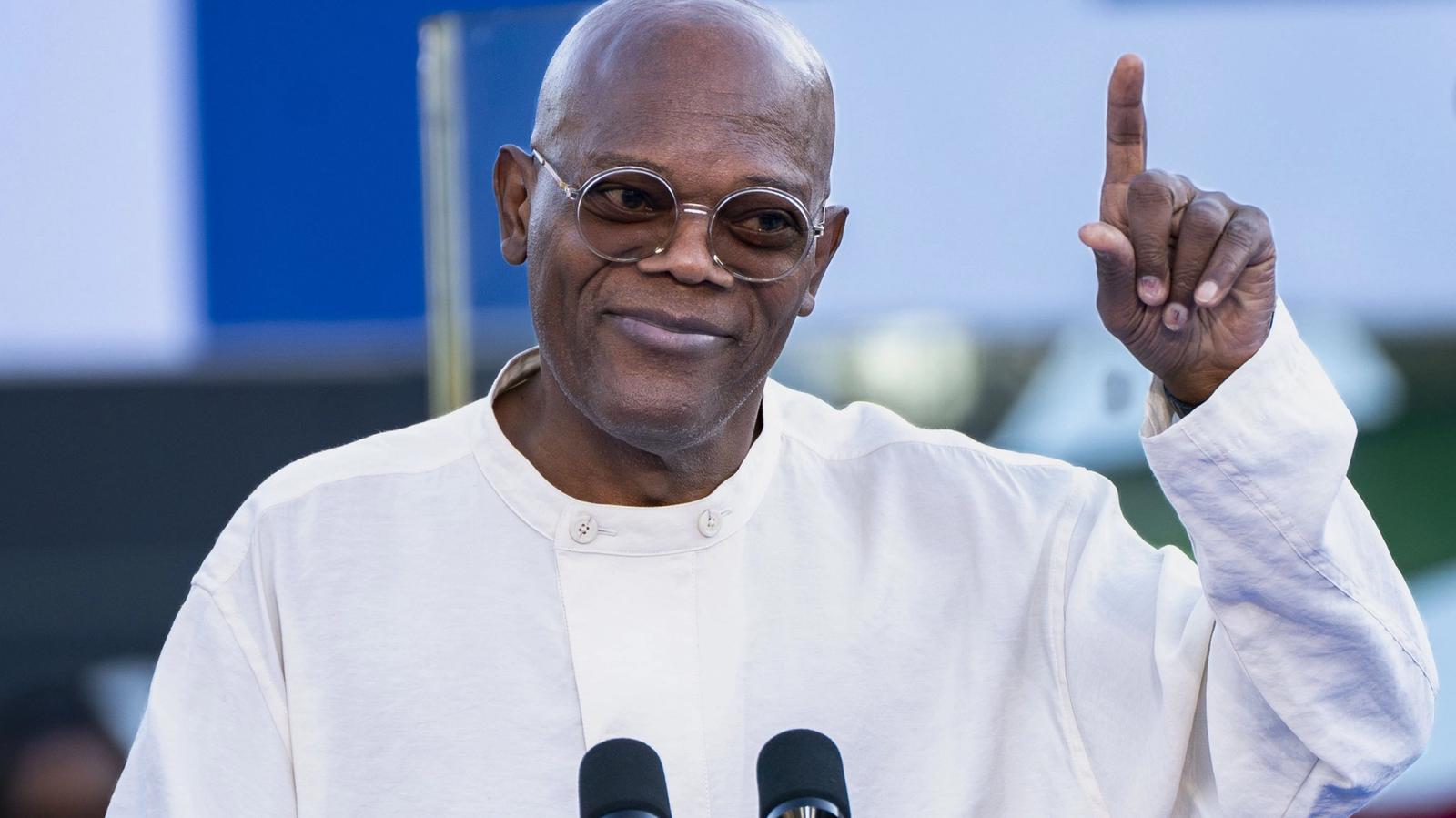
Samuel L. Jackson's declaration that Argentina is a "racist" country after the World Cup final has left many scratching their heads. The 77-year-old actor, known for his outspoken views on racism, urged Black people not to cheer for Argentina, citing the country's history of racism. But does Jackson's statement reflect a nuanced understanding of the complex issues at play, or is it simply a knee-jerk reaction to a moment of controversy?
As a country with a long history of immigration and a complex cultural heritage, Argentina has always been a place of tension and conflict. The country's football team, led by Lionel Messi, has been at the center of this controversy, with many fans across Latin America rooting against them due to concerns about racism and arrogance. But is Argentina truly a "racist" country, as Jackson claims? The answer is not so simple.
Argentina has indeed struggled with racism throughout its history, from the indigenous peoples who were brutally suppressed by European colonizers to the African slaves who were brought to the country to work on plantations. The legacy of this racism can still be seen today, in the country's social and economic disparities. However, Argentina has also been a place of great cultural and artistic expression, where people from different backgrounds have come together to create something new and beautiful.
Jackson, who has spoken out against racism throughout his career, has a personal history with the issue. Growing up in segregated America, he knew which white people didn't want to be bothered with him and how they felt about him. He has also been critical of Donald Trump, seeing him as a symbol of the same racist attitudes that he experienced as a young man. But does Jackson's experience with racism give him the right to speak for all Black people, and to make sweeping statements about a country he may not fully understand?
Football is more than just a game in Argentina; it's a source of national pride and identity. The country's football team is seen as a symbol of its culture and heritage, and the players who wear the blue and white jersey are heroes to millions of fans. But the team's history is also complicated, with many players having been accused of racism and arrogance over the years. How do we balance our love of football with our commitment to social justice, and how do we hold our heroes accountable for their actions?
As the football world continues to grapple with issues of racism and social justice, we need to have a more nuanced conversation about what it means to be a fan of the game. We need to recognize that football is not just a game, but a reflection of our society and our values. We need to hold our heroes accountable for their actions, and to work towards creating a more just and equitable world for all.
And what's next for Jackson? Will he continue to speak out against racism, or will his words be lost in the noise of the controversy?In the end, Samuel L. Jackson's declaration that Argentina is a "racist" country may be seen as a moment of controversy, but it's also an opportunity for us to have a more nuanced conversation about the complex issues at play. We need to recognize that football is not just a game, but a reflection of our society and our values. And we need to work towards creating a more just and equitable world for all.
More stories you'll like

Sports
The Story Behind Nicolas Williams Giving His FIFA World Cup Winner's Medal to His Mother

Sports
Watch Burna Boy Link Up With Justin Bieber, Shakira & More in Behind-the-Scenes World Cup Halftime Video Diary

Sports