Politics
2027: We have written agreement Obi will serve only four years: Kwankwaso
A Written Pledge: Kwankwaso's Assurance of Obi's Four-Year Tenure Rabiu Kwankwaso, the vice-presidential candidate of the National Democratic Congress (NDC), is a man under intense scrutiny.
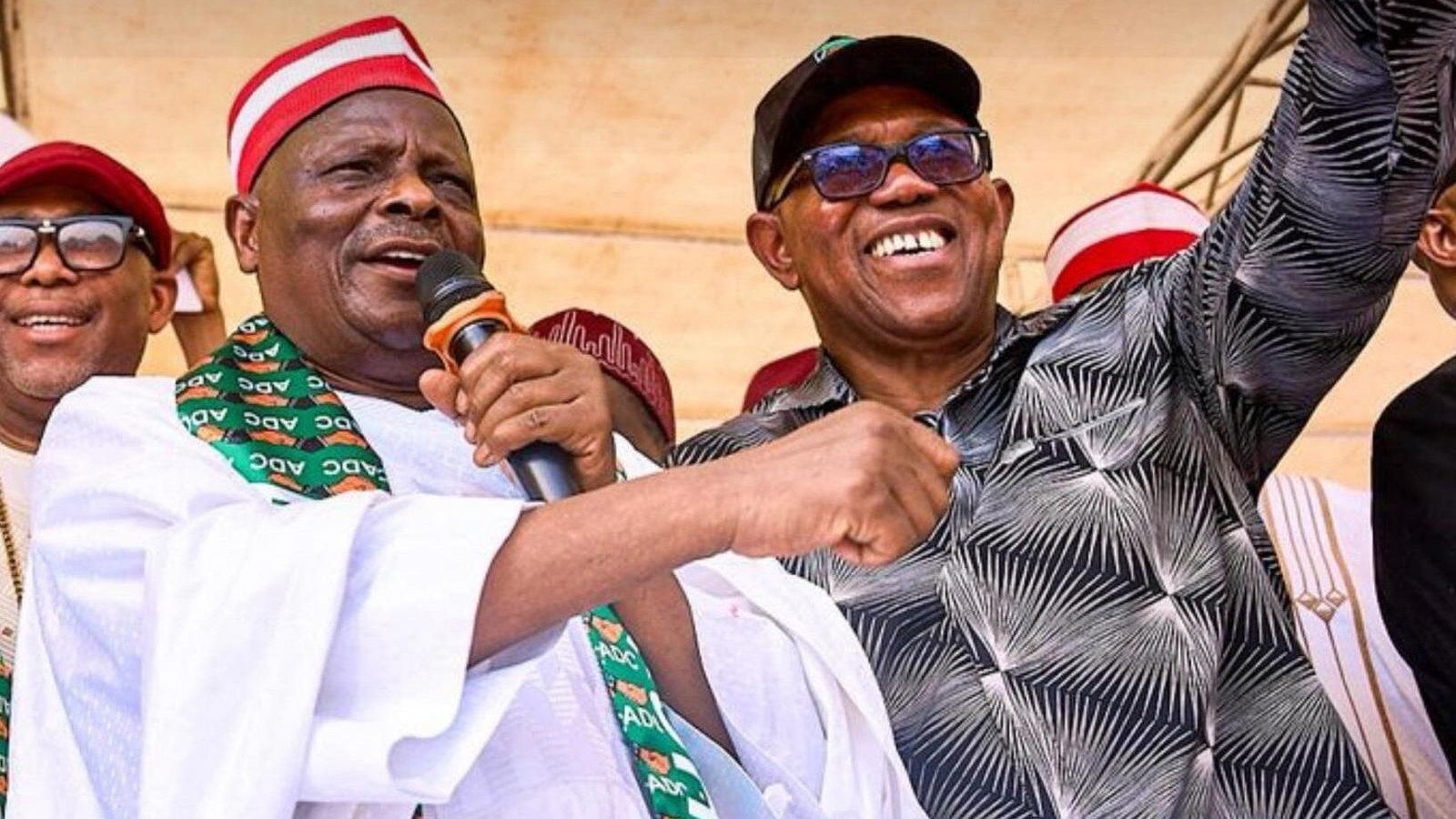
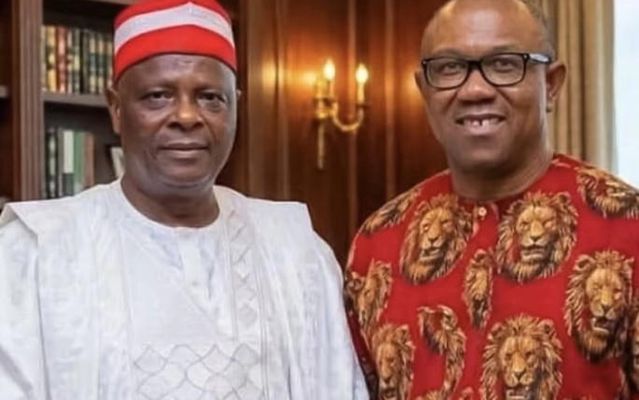
Rabiu Kwankwaso, the vice-presidential candidate of the National Democratic Congress (NDC), is a man under intense scrutiny. As the party's presidential candidate, Peter Obi, continues to push his reform agenda, Kwankwaso's words carry significant weight. In a recent interview on Channels Television's Politics Today, Kwankwaso confirmed that he and Obi have a written agreement that the latter will serve only one four-year term if elected president in 2027. This pledge is not a verbal assurance but a formal, documented agreement that has been put in writing.
The significance of Kwankwaso's statement lies in its potential impact on Nigeria's political landscape. If Obi is indeed committed to serving only one term, it would be a departure from the traditional two-term presidency that has become a norm in the country. This move could be seen as a strategic attempt to avoid the pitfalls of prolonged rule, which has led to criticisms of stagnation and lack of progress. Kwankwaso's assertion that the agreement has been formally documented adds credence to Obi's commitment, as it provides a tangible record of their understanding.
Kwankwaso's statement is also significant in the context of Nigeria's presidential politics. The country has a history of rotational presidency, with power alternating between the north and south. Kwankwaso's mention of a power rotation agreement after Obi's four-year tenure suggests that the NDC is committed to upholding this tradition. This move could be seen as an attempt to reassure Nigerians that the party is committed to fairness and equity in the distribution of power.
Obi's pledge to serve only one term has been a central tenet of his campaign. He argues that four years would be sufficient to implement his reform agenda and address Nigeria's pressing challenges. Kwankwaso's assurance that Obi will indeed serve only one term adds weight to this argument. However, it remains to be seen whether Obi's commitment to a four-year tenure will be enough to convince Nigerians of his sincerity. The fact that the agreement has been formally documented suggests that Obi is willing to put his commitment in writing, which could be a significant factor in winning over voters.
I predict that Kwankwaso's statement will be a major talking point in the run-up to the 2027 elections. The fact that the NDC has a written agreement in place will likely be seen as a major selling point for Obi's campaign. However, it remains to be seen whether this commitment will be enough to win over voters who are skeptical of Obi's ability to deliver on his promises.
As the 2027 elections draw closer, one thing is certain: the stakes are high. Nigeria's next president will face significant challenges in addressing the country's pressing issues. Kwankwaso's assurance that Obi will serve only one term has added a new layer of complexity to the campaign. With the agreement in place, Obi's commitment to a four-year tenure is now a formal, documented reality. The implications of this move will be significant, and it will be interesting to see how Nigerians respond to this development in the coming months.