Politics
BBC Radio 5 presenter Nicky Campbell forced to apologise after 'repeatedly using homophobic slur'
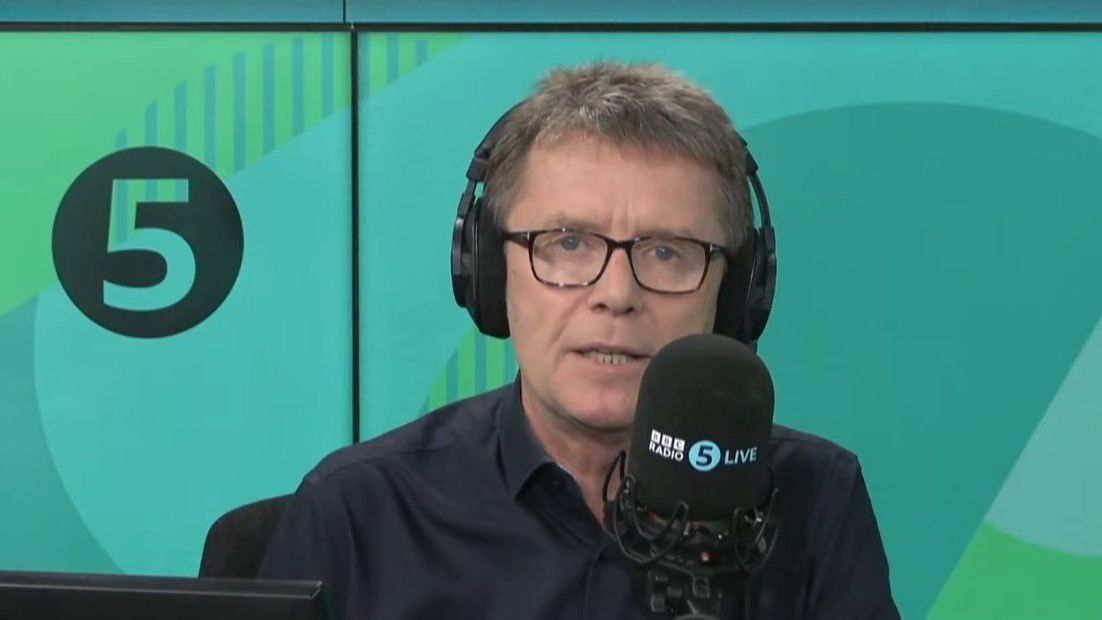
BBC Radio 5 presenter Nicky Campbell, a household name in British broadcasting, has been forced to apologise after allegedly using a homophobic slur during a meeting with colleagues. The 65-year-old veteran broadcaster, who has spent over four decades in the industry, has been at the centre of a growing backlash since the incident came to light. The slur, which was reportedly used in the context of reported speech, has left some of his colleagues feeling shocked and offended, with others seemingly unfazed at the time. Campbell's apology, which was given face-to-face to his team, has done little to quell the growing storm.
Campbell's career has spanned over 40 years, with a stint at BBC Radio 5 Live that began in 1987. During this time, he has hosted various daytime shows, including the morning and breakfast slots, and has become a familiar voice to millions of listeners. The broadcaster has also worked on other BBC stations, including Radio 2 and Radio 3, and has covered some of the biggest events in British history, including four Olympic Games, three World Cups, and every general election and referendum since 1997. His extensive experience and commitment to his craft have earned him numerous awards and accolades, cementing his status as one of the most respected broadcasters in the industry.
The incident highlights the complexities of language and its impact on individuals and communities. In an industry where nuance and sensitivity are paramount, Campbell's alleged use of the slur raises important questions about the responsibility that comes with being a public figure. As the BBC grapples with the backlash, it is worth noting that the broadcaster has a long history of promoting diversity and inclusion, with a commitment to creating a workplace that is welcoming and respectful to all employees. The incident serves as a reminder that even the most well-intentioned individuals can make mistakes, and that a slip of the tongue can have far-reaching consequences.
The incident also speaks to a broader cultural shift in the way we talk about language and identity. In recent years, there has been a growing recognition of the impact that language can have on individuals and communities, particularly in the LGBTQ+ community. The use of homophobic slurs, even in the context of reported speech, can be deeply hurtful and alienating, and serves as a reminder of the ongoing struggle for equality and acceptance. As our society continues to evolve and become more inclusive, it is essential that we hold ourselves and others to high standards of language and behaviour.
In the aftermath of the incident, it remains to be seen whether Campbell will face disciplinary action from the BBC. However, one thing is certain: the incident has sparked a necessary conversation about language, identity, and the impact that we have on others. As the industry continues to evolve, it is essential that we prioritize sensitivity, respect, and inclusivity in all our interactions, both on and off the airwaves. In the words of Campbell himself, who has built a career on being a voice for the voiceless, it is time for him to listen to the voices of his colleagues and the wider community, and to use his platform to promote understanding and acceptance.