Politics
2027: INEC to conduct mock presidential poll
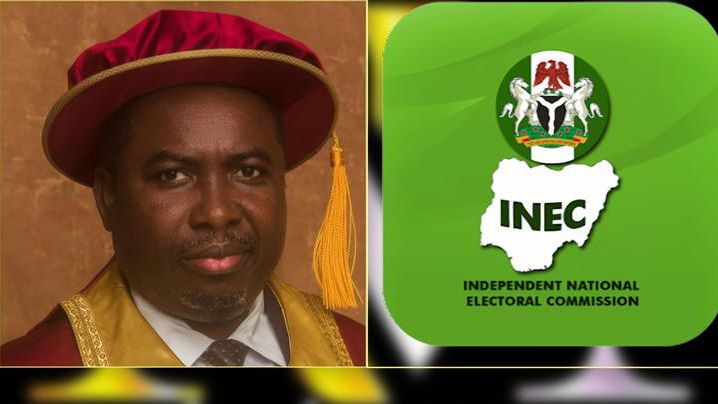
As Prof. Joash Amupitan, the Chairman of the Independent National Electoral Commission (INEC), ponders over the feasibility of conducting a comprehensive audit of all electoral technology systems and a mock presidential election, one thing is clear: the stakes are high for Nigeria's electoral body. The reliability of election technology remains a major concern in Nigeria, particularly following the 2023 general elections. For Amupitan, the proposed exercises are not merely a matter of bureaucratic procedure but a chance to strengthen the credibility of the general elections.
According to INEC, the proposed audit, alongside a mock presidential election, is aimed at testing the readiness of its processes and technology before the 2027 polls. The exercise is expected to cover all electoral technology systems, including the Bimodal Voter Accreditation System (BVAS) and the INEC Result Viewing Portal (IReV). If implemented, this will be a significant undertaking, requiring substantial resources and expertise. The proposed exercise is also expected to involve the deployment of advanced cyber-security measures, including system redundancy, penetration testing, and disaster recovery mechanisms.
The motivation behind INEC's proposed audit and mock poll is rooted in the lessons learned from the 2023 general elections. The reliability of election technology was a major concern, with instances of technical glitches and irregularities reported in various parts of the country. The proposed exercise is, in effect, a response to these failures, aimed at strengthening the credibility of the electoral process and restoring public confidence. For INEC, this is a matter of survival, as the public's trust in the electoral body remains fragile.
INEC's proposed audit and mock poll are also part of a broader effort to leverage technology in the electoral process. The continued deployment of BVAS and IReV is evidence of the Commission's commitment to using technology to enhance the electoral process. However, this also raises questions about the long-term sustainability of these systems and the Commission's ability to keep pace with evolving technological demands. As INEC navigates this complex terrain, one thing is certain: the Commission's reputation as a credible electoral body hangs in the balance.
INEC's proposed exercise is also underpinned by a technical partnership with the United Kingdom, which has provided critical support in the form of electoral technology and expertise. The International Foundation for Electoral Systems (IFES) has also played a significant role in strengthening INEC's electoral processes. This partnership underscores the importance of international collaboration in strengthening the credibility of the electoral process.
A mock presidential election, as proposed by INEC, is a high-stakes exercise that will test the Commission's readiness for the 2027 polls. The exercise will require the mobilization of significant resources, including personnel, logistics, and technology. For Amupitan and his team, the success of this exercise will be a litmus test of their ability to deliver credible and transparent elections. The consequences of failure are too dire to contemplate, and the pressure is mounting on INEC to get it right.
As INEC embarks on this high-stakes gamble, I predict that the Commission will ultimately succeed in conducting a comprehensive audit of its electoral technology systems and a mock presidential election. This will be a significant step towards strengthening the credibility of the electoral process and restoring public confidence in the Commission. However, the real challenge lies ahead, as INEC must now demonstrate its ability to implement the lessons learned from this exercise and deliver credible and transparent elections in 2027.
As the 2027 general elections draw near, one thing is certain: INEC's reputation as a credible electoral body hangs in the balance. The proposed audit and mock poll are a high-stakes gamble that the Commission must get right if it is to maintain the public's trust in the electoral process. The consequences of failure are too dire to contemplate, and the pressure is mounting on INEC to deliver. I have no doubt that the Commission will ultimately succeed, but the journey ahead will be long and arduous.