News
Diane Morgan is a legend, so why is her new BBC comedy so frustrating
A Legend in Disguise: The Paradox of Diane Morgan's New Comedy As I settled in to watch Diane Morgan's latest creation, Ann Droid, I felt a mix of excitement and trepidation.
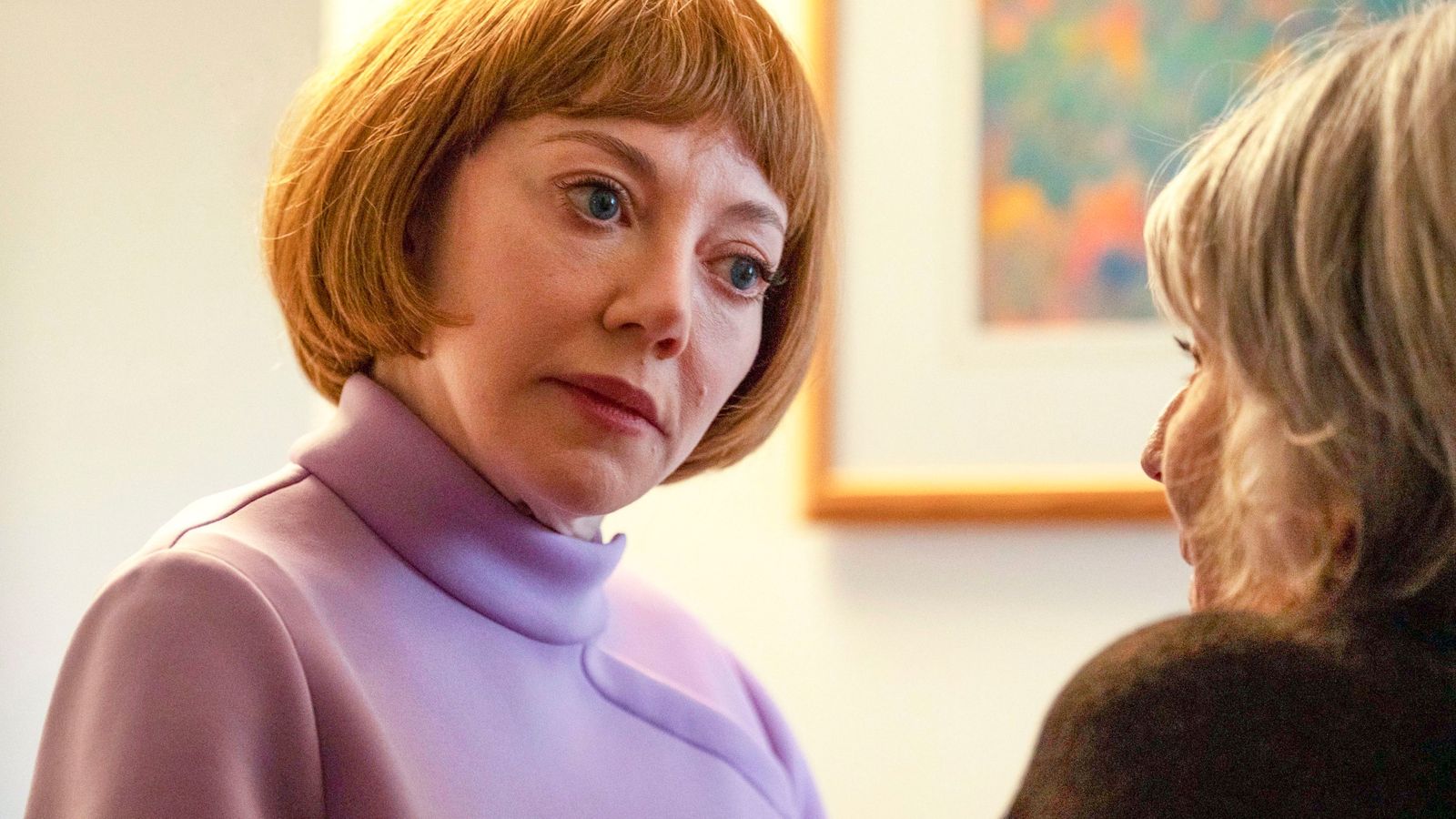
As I settled in to watch Diane Morgan's latest creation, Ann Droid, I felt a mix of excitement and trepidation. Morgan is a comedic genius, and I've always been a fan of her biting wit and absurd sense of humor. Her character, Philomena Cunk, is one of Britain's most beloved comedic icons, and her satirical takes on academia have left me in stitches. So, when I heard that Morgan was creating a new series for the BBC, I was thrilled at the prospect of more of her unique brand of humor.
But, as I watched Ann Droid, I found myself increasingly frustrated with Morgan's portrayal of Linda, the Ann Droid robot. On the surface, the show seems like a typical Morgan comedy, with its quick-witted dialogue and absurd situations. However, as I delved deeper into the series, I began to notice something that set it apart from Morgan's previous work: Linda's unflinching realism.
Morgan's performance as the Ann Droid robot is nothing short of remarkable. Her ability to convey the character's robotic nature through her every movement and gesture is uncanny. It's almost as if she's channeled the very essence of a machine, leaving viewers wondering if she's truly acting or simply being herself. The attention to detail in her performance is impressive, and it's evidence of Morgan's incredible range as a comedian.
However, it's precisely this level of realism that makes Linda so infuriating to watch. As the character struggles to comprehend the complexities of human emotions and relationships, I found myself feeling triggered by her robotic inability to grasp certain situations. It's as if Morgan is holding up a mirror to our own society's reliance on technology, highlighting the ways in which we're outsourcing our emotions and relationships to machines.
This is a poignant commentary on our ageing society and the increasing need for effective social care that comes with it. The show's portrayal of Sue, a grieving widow played by Sue Johnston, and her son Michael, who buys her an Elder Care robot to help with her needs, is a powerful exploration of the human condition. Morgan's script, co-written with Sarah Kendall, is a masterclass in subtlety, never hitting the viewer over the head with its themes.
As I watched Ann Droid, I couldn't help but feel a sense of sadness wash over me. It's a commentary on our society's values, where we're more likely to invest in a machine than in our own relationships and emotions. And it's a commentary on our own vulnerabilities, where we're willing to outsource our humanity to technology in the hopes of finding comfort and solace.
Ann Droid is a complex and thought-provoking show that challenges viewers to confront the consequences of our actions. It's a show that will leave you laughing and crying, and it's evidence of Morgan's incredible talent as a comedian. But, as I left the show, I couldn't shake the feeling that I'd been left with more questions than answers. What does it mean to be human in a world where technology is increasingly taking over? And what does it say about us as a society that we're more likely to invest in machines than in our own relationships and emotions?
As I reflect on Ann Droid, I'm left with a sense of hope and frustration. Hope, because I know that Morgan's show will spark conversations and debates about the issues it raises. Frustration, because I know that we're still a long way off from truly confronting the consequences of our actions.