News
How to Handle Gatecrashers: After Jay-Z, Experts Talk Training, Prevention & FOMO's Possible Role
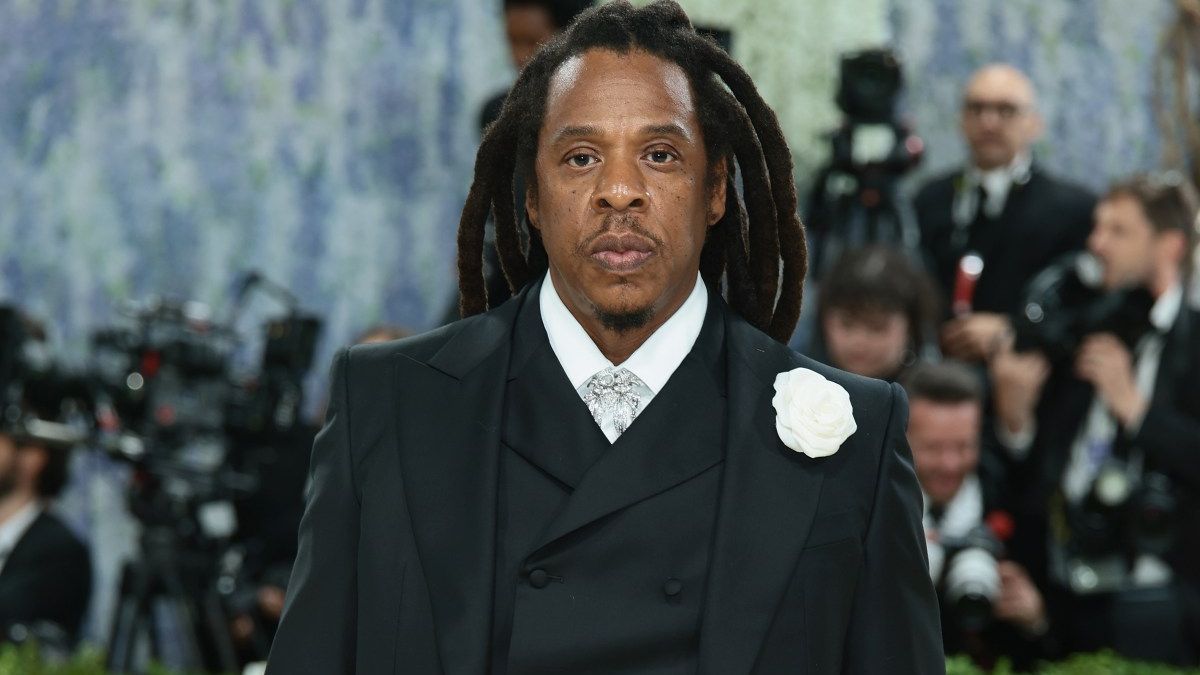
On a sweltering summer night in New York City, hundreds of people without tickets pushed past security at Yankee Stadium, forcing the venue to shut down for hours and Jay-Z's team to scramble to manage the situation. The concert, which was scheduled to start at 8 p.m. ET on July 12, didn't get underway until 12:18 a.m. ET, leaving many ticketholders standing outside in the blistering heat. For those who made it inside, the delay was a minor inconvenience, but for the hundreds of others who were left waiting, it was a frustrating and potentially costly experience. As the dust settles on this high-profile incident, event safety experts are weighing in on how venues can better prepare for security breaches and what role FOMO (fear of missing out) might play in these incidents.
According to Steven A. Adelman, director of event safety, international festivals and events association and co-founder of the Event Safety Alliance, security breaches like the one at Yankee Stadium are often the result of a perfect storm of factors, including a lack of planning, inadequate resources, and a dash of FOMO. "We've seen scenarios like this before," Adelman notes, citing the Copa América soccer tournament at Hard Rock Stadium in Miami in 2024, which caused the match to start 90 minutes after its scheduled time. "The response was pretty similar to what they did at Yankee Stadium, which is [security personnel] inside the stadium gates rushed to resecure that entrance, and they shut the gates." In situations like this, Adelman argues that the focus should shift from tracking down individual gatecrashers to preventing further security breaches.
Taylor Collins, a litigation attorney at McCarter and English who specializes in sports and entertainment-related matters, including facility use and event operations, emphasizes the importance of conducting a thorough risk assessment before a large-scale event. "Leading up to a large-scale event, a risk assessment between the venue, promoter, artist team and local public safety officials is a key to preparing for such an eventuality," Collins says. By identifying potential security vulnerabilities and taking steps to mitigate them, venues can minimize the risk of security breaches and ensure a safe and enjoyable experience for all attendees.
While FOMO may not be the primary cause of security breaches, it's certainly a contributing factor. According to Adelman, the desire to avoid missing out on a high-profile event can lead some fans to take desperate measures to get inside, including pushing past security. "It's a classic case of supply and demand," Adelman notes. "When demand outstrips supply, people get desperate, and that's when you see security breaches happen." By understanding the role of FOMO in security breaches, venues and event organizers can take steps to manage expectations and prevent these incidents from happening in the first place.
As the events industry continues to grow and evolve, it's likely that we'll see a shift towards more robust security measures at large-scale events. With the rise of social media and the 24-hour news cycle, the stakes are higher than ever for event organizers and venues. By prioritizing security and safety, and taking steps to prevent security breaches, the events industry can ensure a safe and enjoyable experience for all attendees. As Adelman notes, "It's not just about security; it's about safety. And safety is what we should always be focused on."
In the end, the key to preventing security breaches like the one at Yankee Stadium is to prioritize planning, preparation, and communication. By working together and taking a proactive approach to security, venues and event organizers can minimize the risk of security breaches and ensure a safe and enjoyable experience for all attendees. As Collins notes, "It's a team effort. And when everyone works together, we can prevent these kinds of incidents from happening in the first place."