Politics
State Police: Govs can't turn outfit into private army: Abbas
Rep. Abbas Defends State Police Bill Amid Governor Abuse Fears As the proposed State Police Bill makes its way through Nigeria's National Assembly, Speaker of the House of Representatives, Rep.
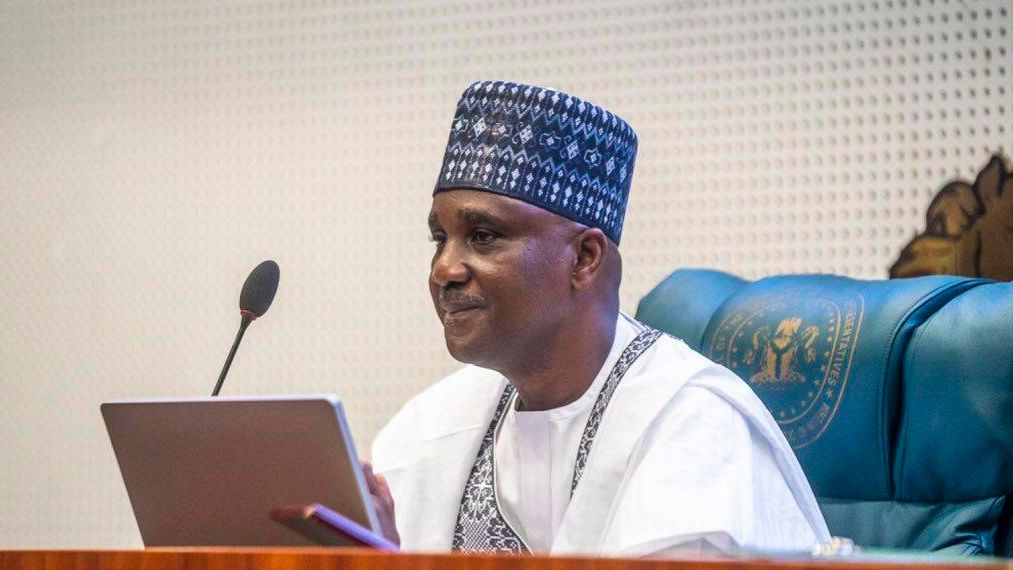
As the proposed State Police Bill makes its way through Nigeria's National Assembly, Speaker of the House of Representatives, Rep. Abbas Tajudeen, finds himself at the centre of a heated debate. At the heart of this controversy is the fear that state police could be exploited by governors or political leaders, effectively turning the outfit into a private army. Abbas, a key figure in this legislative process, is adamant that adequate safeguards have been built into the proposed bill to prevent such an occurrence.
According to Abbas, the proposed constitutional amendment would prevent governors from having exclusive powers to appoint or remove state Commissioners of Police. Instead, appointments would be made based on the recommendation of the National Police Council, subject to confirmation by the State House of Assembly. The removal of a Commissioner of Police, however, would require the support of two-thirds of lawmakers and must be based on proven misconduct. These provisions, Abbas claims, would prevent governors from turning state police into private security outfits.
Nigeria's centralised policing system has been under scrutiny for its inability to address emerging security challenges effectively. Abbas acknowledges that the current system is no longer sufficient, pointing to the need for a more decentralised approach. However, this does not mean that Abuja would be relinquishing control entirely. The proposed state police legislation would still allow for federal intervention where a state police service becomes compromised. But this would only be possible under clearly defined constitutional conditions, including written notice to the Governor and the National Assembly within forty-eight hours. This carefully crafted framework, Abbas argues, is necessary to prevent the abuse of state power.
President Bola Tinubu's decision to transmit an Executive Bill on state police to the National Assembly is being hailed as a historic step. Abbas praises the President for his willingness to take decisive action on a contentious issue that has been debated for decades. However, some argue that Tinubu's move is a calculated gamble to shore up his legacy. With the 2027 elections on the horizon, the state police bill could become a pivotal campaign issue. Abbas' defence of the bill, therefore, is not only about addressing security concerns but also about cementing the President's reputation as a champion of reform.
As Nigeria navigates its complex security landscape, the proposed state police bill offers a glimmer of hope. By decentralising policing, the government aims to bring security services closer to the people. But this approach also raises concerns about the potential for abuse. Abbas' reassurances, however, suggest that the government is taking steps to mitigate these risks. With the bill still in its infancy, it remains to be seen whether Nigeria's state police will live up to its promises or become a tool for governors to wield.
Looking ahead, Abbas' defence of the state police bill is a crucial step in the legislative process. While some may remain sceptical, the Speaker's arguments offer a compelling case for the benefits of a more decentralised policing approach. As the bill continues its journey through the National Assembly, one thing is clear: Nigeria's security landscape will never be the same again.