Politics
R. Kelly Asks Trump Administration for Prison Release in Official Clemency Petition
R. Kelly, the embattled R&B star, has been at the mercy of the justice system for years.
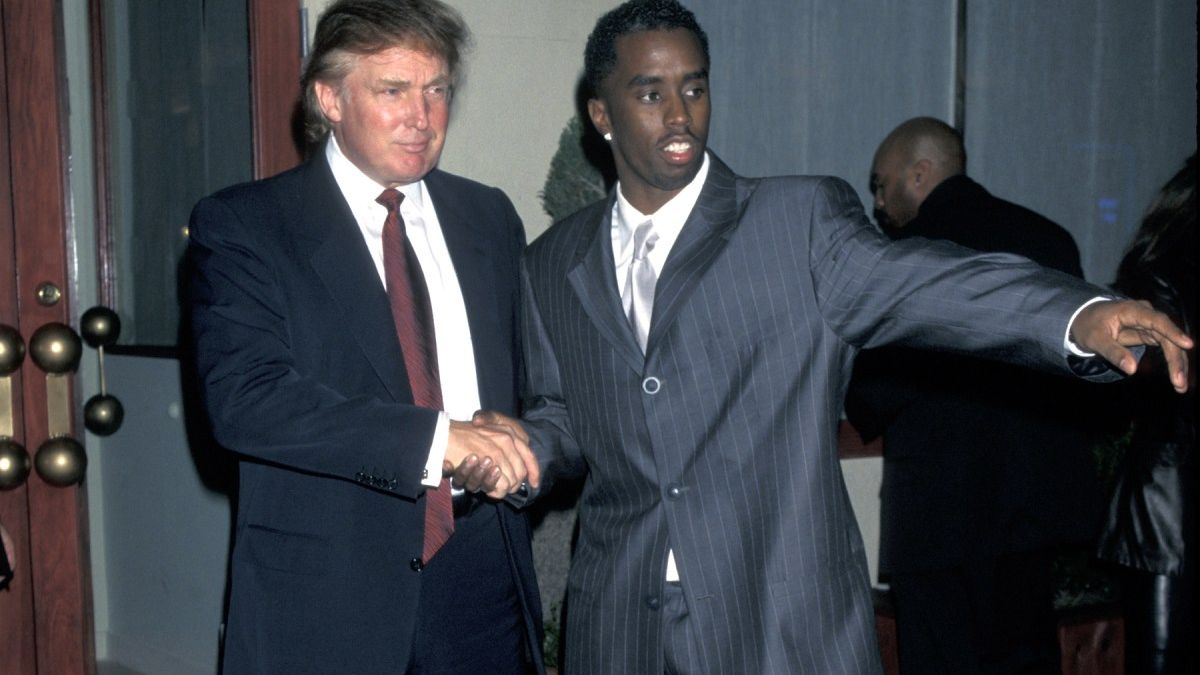
R. Kelly, the embattled R&B star, has been at the mercy of the justice system for years. Now, he's making a desperate bid for freedom, a 31-year prison sentence that's a far cry from the glory days of hits like "I Believe I Can Fly". Kelly's team has filed a clemency petition with the Trump Administration, seeking a presidential commutation that would wipe out most of his sentence.
According to the Department of Justice's Office of the Pardon Attorney, Kelly's clemency petition, submitted at some point in 2026, seeks to commute his decades-long prison sentence for racketeering, sex trafficking, child pornography, and enticing minors for sex. A commutation would leave Kelly's conviction intact but would significantly reduce his sentence. This move is a calculated gamble, given Trump's history of unilaterally granting pardons and commutations based on lobbying within his inner circle. Mark Osler, a leading clemency attorney, notes that the Pardon Attorney's office has traditionally conducted a structured review of clemency applications, but Trump has often disregarded this process. Kelly's lawyer, Beau Brindley, seems to understand this dynamic, having publicly appealed to Trump directly for relief even before filing the official clemency petition.
Beau Brindley, Kelly's lawyer, has been at the forefront of his client's clemency efforts. Brindley's statements to Billboard, including his assertion that Trump is "the only one with both the power and the courage" to set Kelly free, suggest a deep understanding of the politics involved. By appealing directly to Trump, Brindley is attempting to bypass the traditional clemency process, which has historically been more formal and systematic. This move is a high-wire act, given the unpredictable nature of Trump's decision-making.
The clemency process in the United States is typically a multi-level review, with the Pardon Attorney's office conducting a structured evaluation of clemency applications before sending a recommendation to the White House. However, Trump's willingness to disregard this process and grant pardons and commutations unilaterally based on lobbying within his inner circle has created an uncertain environment. This has led some to question the integrity of the clemency process, with Mark Osler noting that "the mechanism is falling apart." Kelly's team seems to be aware of this reality, which is why Brindley is pursuing a new trial in Chicago, even as he seeks clemency through the Trump Administration.
While Kelly's clemency petition is a private matter, Brindley's public appeals to Trump have drawn attention to the case. This has raised questions about the fairness of the justice system and the role of politics in clemency decisions. As the case unfolds, it's clear that Kelly's fate will be decided not just by the courts but also by the politics of the Trump Administration.
I predict that Kelly's clemency petition will be a contentious issue, with many objecting to his release on grounds of his serious convictions. However, if Trump grants clemency, it will be a stark reminder of the unpredictable nature of the pardon process.
The clemency process is a complex and often contentious issue, with the Trump Administration's willingness to grant pardons and commutations unilaterally adding an extra layer of unpredictability. As R. Kelly's case navigates this uncertain terrain, one thing is clear: the outcome will be a major test of the Trump Administration's commitment to justice and fairness.