News
The real stars of cinema are hiding in plain sight
The Unseen Heroes of Cinema: The Composers Who Enchant Us As I sit in the dimly lit cinema, the anticipation builds up as the lights fade to black.
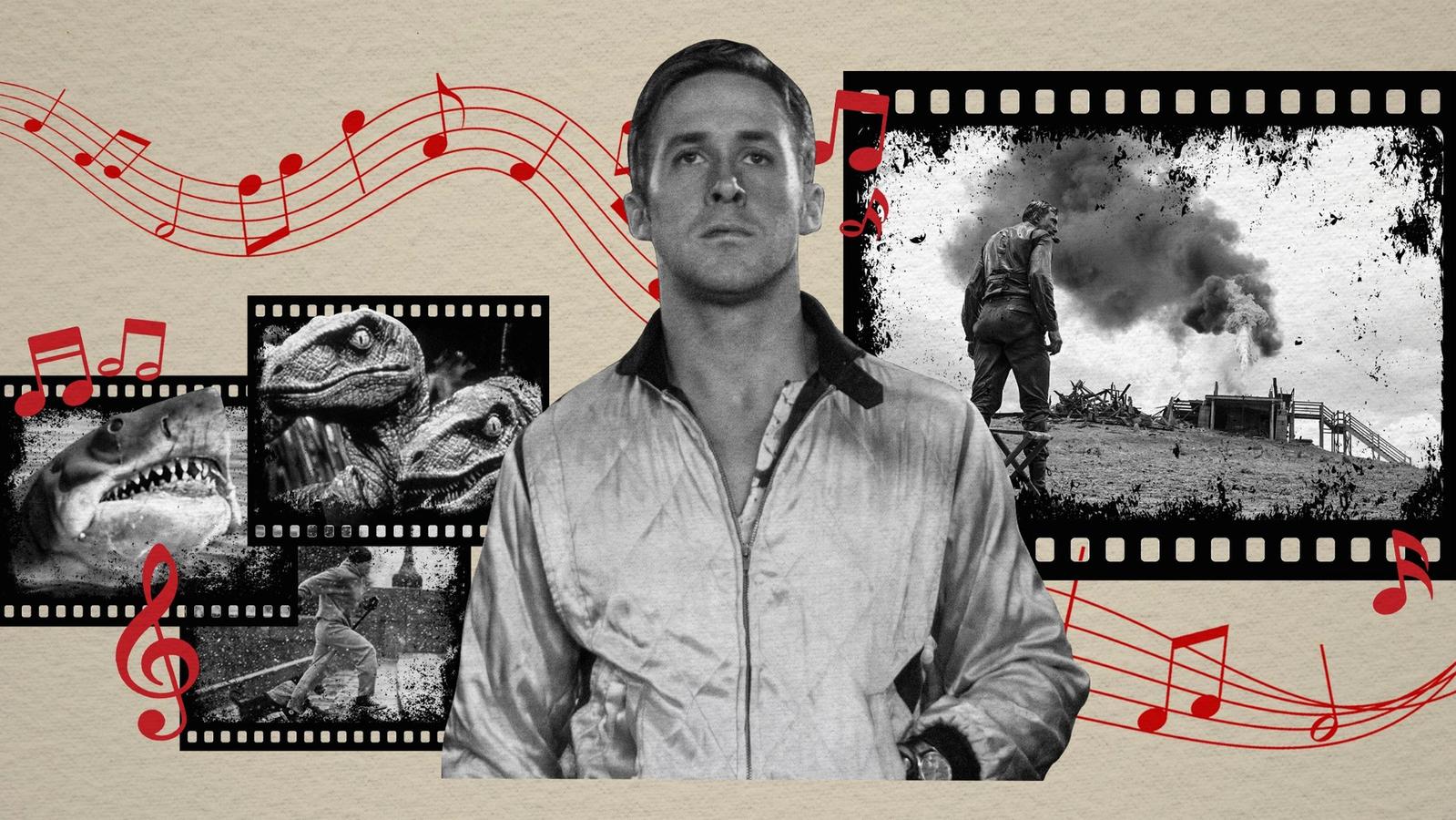
As I sit in the dimly lit cinema, the anticipation builds up as the lights fade to black. The projector whirs to life, and the screen erupts into a kaleidoscope of colours, sounds, and emotions. But before the characters take centre stage, there's another unsung hero at work, the film composer. Without their genius, the cinematic experience would be mere shadows of what we know and love. I'm no connoisseur of classical music, but I've come to appreciate the art of film scoring, and I'm not alone.
Millions of people around the world indulge in film scores every week, often without even realising it. The next time you settle in to watch a classic like Jurassic Park, you might just appreciate the pivotal role the music plays in transporting you to a world of wonder and awe. Star Wars gave us one of the most iconic musical scores in movie history, evidence of the enduring power of film music to evoke emotions and create lasting impressions. Cinema may be a visual medium, but music is its equally essential twin.
Some film composers have left an indelible mark on our collective psyche. Lalo Schifrin's Mission: Impossible theme is an earworm that refuses to budge, while Bernard Herrmann's jarring strings in Psycho have become synonymous with terror. John Williams, Hans Zimmer, and Danny Elfman are just a few of the masters who have woven their magic into the fabric of cinema. Each has a distinct style that drawn attention worldwide, from the sweeping brass of Star Wars to the pulse-pounding electronic beats of Gladiator and Interstellar.
Ennio Morricone, the maestro behind some of the most iconic film scores, has left an enduring legacy that continues to inspire new generations of composers. His work on The Good, the Bad and the Ugly, A Fistful of Dollars, and Once Upon a Time in the West has become synonymous with the Spaghetti Western genre. His collaboration with Sergio Leone is evidence of the power of creative partnership in shaping the cinematic experience.
As I reflect on the world of film scoring, I'm struck by the unsung heroes who toil behind the scenes, crafting the sounds that transport us to worlds both familiar and unknown. From the subtle nuances of a theme to the sweeping grandeur of a score, film music is an integral part of the cinematic experience. It's evidence of the power of creativity and collaboration that these unseen heroes continue to enchant and inspire us.
Film composers are more than just musicians; they're storytellers who weave their magic into the fabric of cinema. Their work transcends borders and languages, speaking directly to our emotions and imagination. As I leave the cinema, I'm reminded of the enduring power of film music to move, to inspire, and to captivate. It's a legacy that will continue to enchant us for generations to come.
I firmly believe that film music will only continue to grow in importance as the medium evolves. With the rise of streaming services and the democratization of music production, we're witnessing a new wave of talent emerging, pushing the boundaries of what's possible in film scoring. As we look to the future, I'm excited to see how film composers will continue to shape the cinematic experience, crafting new worlds and emotions that will captivate audiences worldwide.