News
PS6 will avoid PS5 overheating problem reveals Sony patent
A Cooler Future for PlayStation? As Sony Interactive Entertainment gears up for its next-generation console, whispers of a revamped cooling system have sparked excitement among gamers.
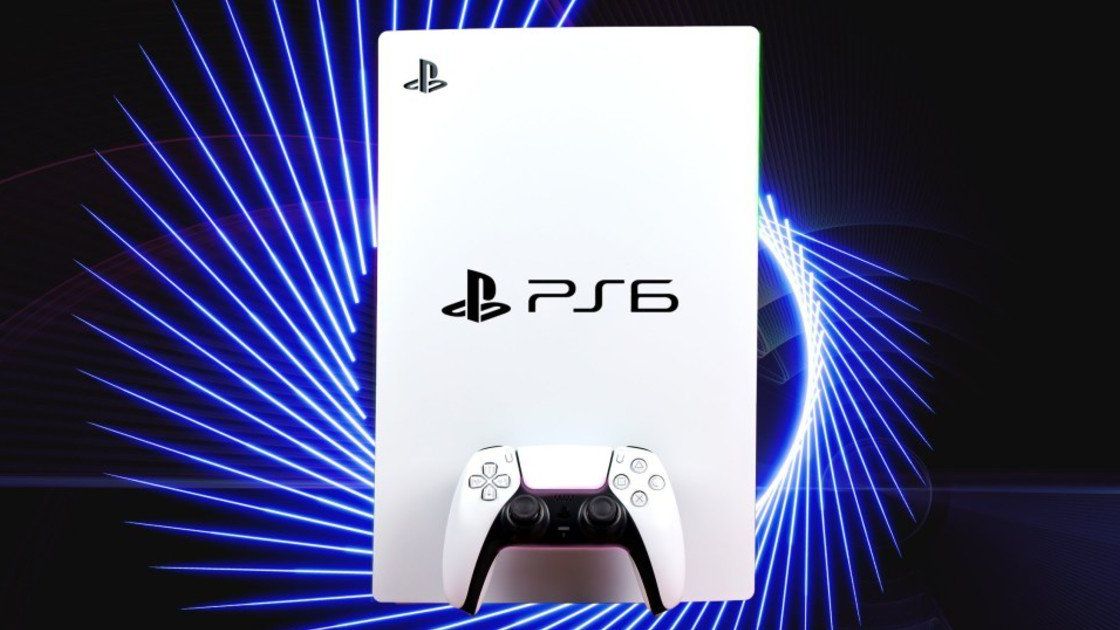
As Sony Interactive Entertainment gears up for its next-generation console, whispers of a revamped cooling system have sparked excitement among gamers. The tech giant's latest patent filing, spotted by Tech4Gamers, hints at a more efficient design that could finally put an end to the overheating woes that plagued early PlayStation 5 models. The patent, filed in early 2026, proposes a revised cooling system that can improve the cooling capacity of heating elements in electronic devices, regardless of their orientation.
The patent's description paints a picture of a more refined approach to cooling, one that leverages vaporisation-based technology to keep the console running smoothly. This marks a departure from the liquid metal system that raised concerns about overheating and liquid metal leaks in the original PS5. The revised design seems to address these issues, allowing the console to stay cool and efficient, even when placed in a vertical position. Gaming, the debate around console design is as much about aesthetics as it is about performance. Gamers have long grumbled about the PS5's bulkiness and the need for a separate power brick. While Sony has yet to confirm any details about the PlayStation 6, the patent filing suggests that the company is taking a more thoughtful approach to design. By addressing the overheating issue head-on, Sony may be able to create a console that not only performs better but also looks sleeker and more streamlined.
The shift towards vaporisation-based cooling is not a new development tech. In fact, it's a trend that's been gaining traction in recent years, particularly in high-performance computing and gaming. The idea is to harness the power of vaporisation to transfer heat away from critical components, rather than relying on liquids or cumbersome heat sinks. This approach promises to be more efficient, more reliable, and more environmentally friendly.
For gamers, the implications are clear: a more efficient cooling system means better performance, reduced risk of overheating, and a more enjoyable gaming experience. It's a small but significant improvement that could make all the difference competitive gaming.
As we look to the future of PlayStation, it's clear that Sony is taking a more deliberate approach to design. The patent filing is just one piece of the puzzle, but it suggests that the company is committed to creating a console that's not only powerful but also intelligent and intuitive. Whether or not the PlayStation 6 will debut with this new cooling system remains to be seen, but one thing is certain: Sony is pushing the boundaries of what's possible in gaming.
- 2026: Sony files a patent for a revised cooling system for consoles, which includes a description of a vaporisation-based cooling system.
- 2028: Sony announces that it will no longer release physical games with discs after 2028.
- Early PS5 models: The original PlayStation 5 models were reportedly subject to overheating and liquid metal leaking issues, especially when placed in a vertical position.
As I reflect on the patent filing, I'm struck by the attention to detail that Sony has brought to the table. It's clear that the company is committed to creating a console that's not only powerful but also intelligent and intuitive. Whether or not the PlayStation 6 will debut with this new cooling system remains to be seen, but one thing is certain: Sony is pushing the boundaries of what's possible in gaming. With the patent filing as a starting point, I'm excited to see what the future holds for PlayStation.