News
The Odyssey's 'ashamed' translator is right, it's not perfect
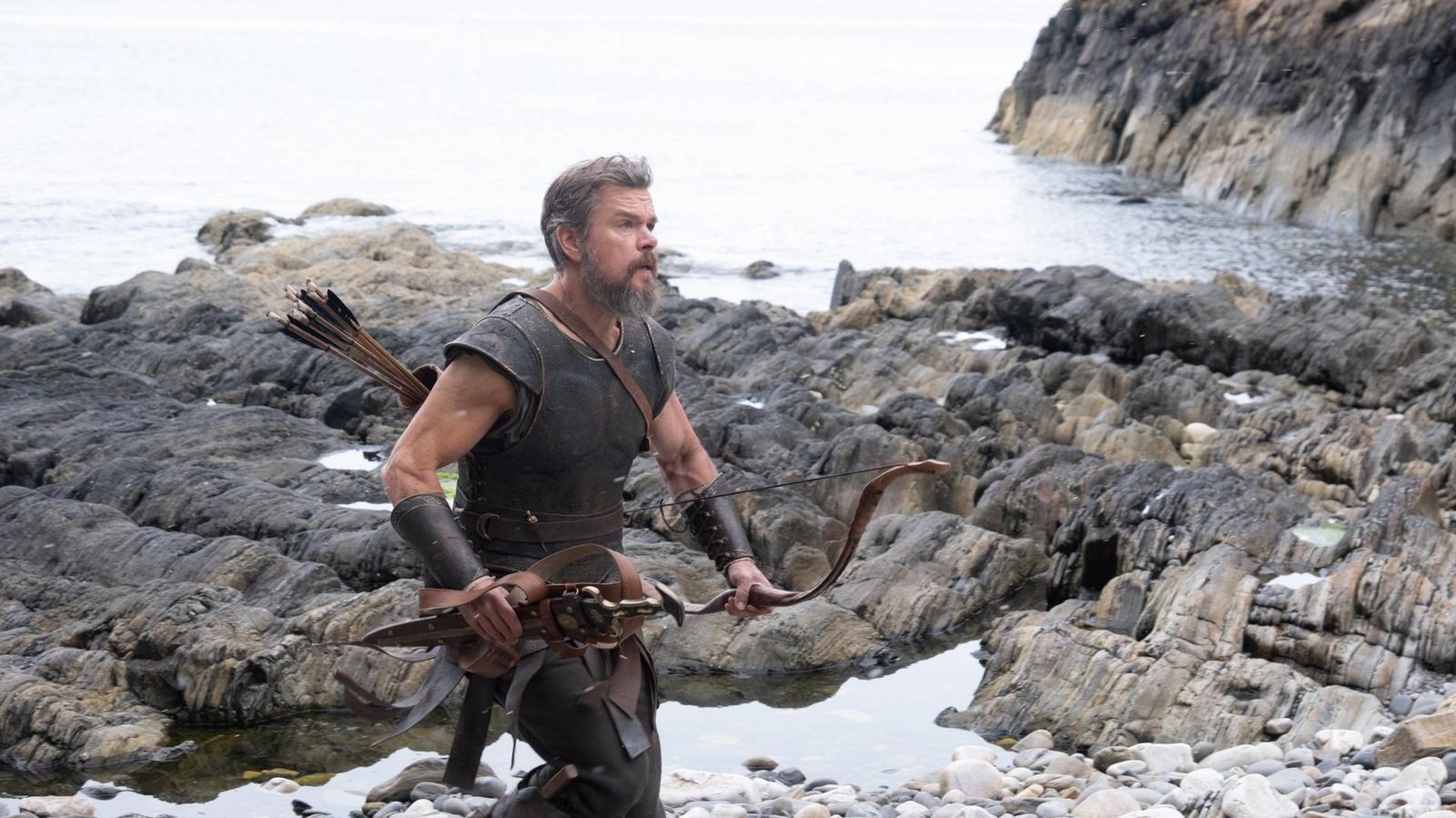
Renowned classicist Emily Wilson's scathing review of Christopher Nolan's Odyssey has sparked a heated debate among fans and scholars of the epic poem. For Wilson, Nolan's adaptation falls short of its full potential, and she's not afraid to say so. "This money-spinning adaptation of one of the world's oldest stories truly is the blockbuster that launched a thousand discourses," she writes, her words dripping with sarcasm.
Christopher Nolan's Odyssey has been a lightning rod for criticism since its release on July 17. While some have praised its unique take on the classic story, others have accused it of being too woke or of failing to do justice to the female characters or people of colour in the cast. For Wilson, Nolan's interpretation is a mixed bag. While she acknowledges his effort to bring a 21st-century perspective to the story, she takes issue with his portrayal of the characters and the dialogue.
Wilson is particularly critical of Nolan's depiction of the gods in the film. According to her, they are reduced to mere figments of Odysseus's guilt, rather than the complex, multidimensional beings they are in the original poem. "The gods, with all their squabbling, become the ominous men in the sky and the sea we never put a face to," she writes. This critique raises questions about the nature of adaptation and interpretation. Can a work of art ever truly capture the essence of its original source material, or must it always be seen as a distinct entity in its own right?
Nolan's Odyssey is also notable for its attempts to grapple with the consequences of war and imperialist ambition. As Wilson notes, the film's themes of colonialism and the destruction of ancient civilizations are particularly relevant in today's world. "In a world where the West is reckoning with the havoc it's wreaked on civilisations far from its shores," she writes, "it makes perfect sense that Nolan would want to explore these themes in his adaptation." However, this attempt to update the story for modern audiences also raises questions about cultural appropriation and the representation of non-Western cultures on screen.
Wilson's review is not a straightforward attack on Nolan's film, but rather a nuanced critique of its limitations and shortcomings. As such, it offers a valuable perspective on the art of adaptation and interpretation. Franchises and sequels dominate the cultural landscape, it's refreshing to see a work of art that is unafraid to challenge its own assumptions and biases. Whether or not one agrees with Wilson's assessment of Nolan's Odyssey, her review is a timely reminder that even the most beloved stories can be imperfect and open to interpretation.
The debate over Nolan's Odyssey is far from over, but one thing is certain: it has sparked a wider conversation about the nature of adaptation and the power of art to reflect and shape our understanding of the world. As we continue to grapple with the complexities of colonialism, identity, and representation, it's clear that the Odyssey will remain a touchstone for generations to come.