News
Usher kicks fan off stage after she 'nastily' rejects his sexy performance
Usher's Blunder: A Lesson in Consent Gabrielle Cheyenne, a 20-year-old concertgoer, can't be faulted for wanting to get a glimpse of her R&B idols, Usher and Chris Brown, up close.
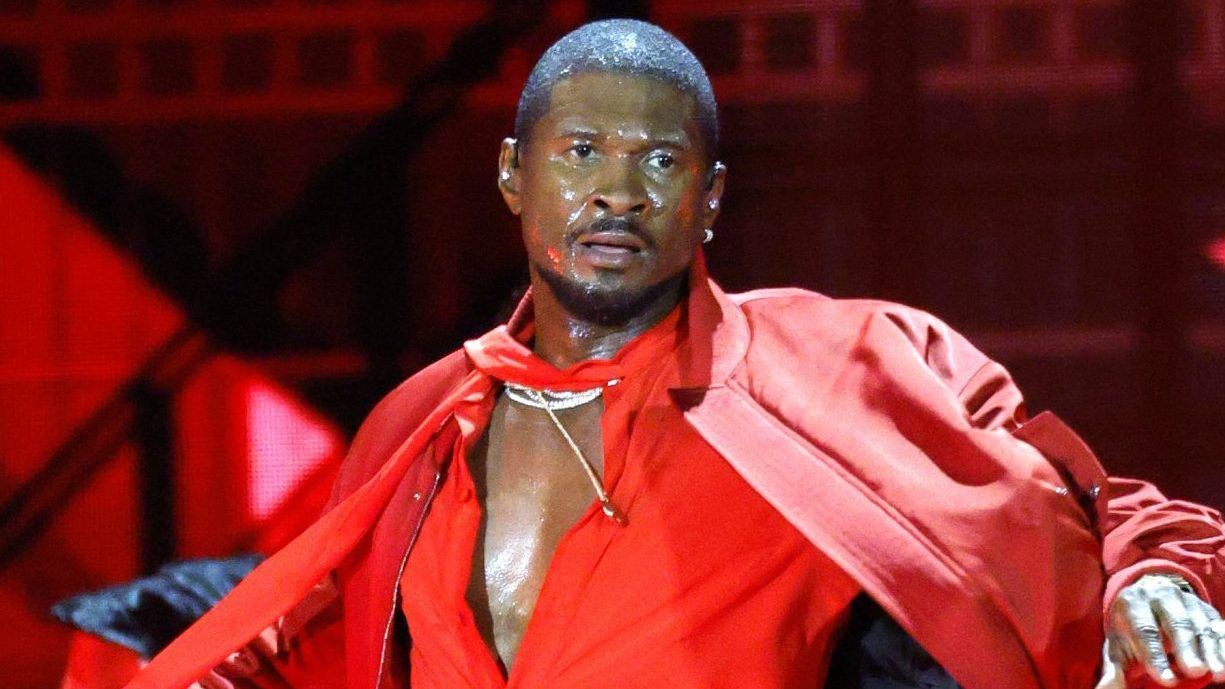
Gabrielle Cheyenne, a 20-year-old concertgoer, can't be faulted for wanting to get a glimpse of her R&B idols, Usher and Chris Brown, up close. After all, who wouldn't want to meet their musical heroes? But what Cheyenne's recent encounter with Usher on stage at the singer's Nashville concert has exposed is a glaring issue of consent and respect for boundaries. As Usher, shirtless and mid-performance, awkwardly smiled at Cheyenne, who was seated on an on-stage bed, he soon realized that she was visibly uncomfortable. The 47-year-old singer quickly turned away, told the crowd, "I don't think she wants to be on the stage?", and waved his hand to indicate she should be shooed from the stage.
It's refreshing to see Usher taking Cheyenne's cue and backing off, but the incident raises questions about the singer's usual practice of inviting fans on stage for a personal performance. Does he assume that just because a fan is eager to meet him, they're also willing to participate in an intimate performance? Does he not consider the possibility that his fans might not be comfortable with being thrust into the spotlight, especially in the context of a sensual performance? The answer, unfortunately, seems to be yes, at least based on Cheyenne's experience.
While some fans praised Usher for stopping once he noticed Cheyenne's discomfort, others joked that his ego seemed bruised. But let's not be too quick to blame Usher for this incident. Cheyenne, in her subsequent social media posts, revealed that she had been moved from floor seats to the VIP section alongside her mum due to "pretty privileges." This suggests that she was already in a position of comfort and luxury, which might have emboldened her to accept Usher's invitation without fully considering the implications. It's also worth noting that Cheyenne's aunt, Tia Byrd, posted a statement on Facebook claiming that Cheyenne had a "nice conversation" with Usher's wife, Jennifer Goicoechea, after leaving the stage, which might have added to the pressure on Cheyenne to participate.
What's striking about this incident is the power dynamic at play between Usher and his fans. As a celebrity, Usher has a certain level of authority and influence over the fans who attend his concerts. When he invites fans on stage, he's essentially putting them in a position of vulnerability, where they're forced to navigate their own comfort levels in the face of his expectations. This is a classic case of gaslighting, where the more powerful party (Usher) tries to control the narrative and dictate the terms of the interaction.
Gabrielle Cheyenne's subsequent social media posts, where she defended herself against criticism and proclaimed herself "unbothered," are evidence of her growing confidence and empowerment. By speaking out and pushing back against the narrative that she was "nasty" or "provoking" Usher, Cheyenne is sending a powerful message to her followers and to the music industry at large: that consent is essential, and that fans have the right to say no without fear of reprisal.
As the music industry continues to grapple with issues of consent and respect for boundaries, Usher's blunder serves as a timely reminder of the importance of prioritizing fans' comfort and consent. It's time for artists and concert promoters to take a hard look at their practices and policies, and to create a culture where fans feel empowered to say no without fear of repercussions. As for Usher, he'd do well to take a page out of Cheyenne's book and prioritize consent and respect for boundaries in his future interactions with fans.
And so, the real question now is: will Usher's blunder mark the beginning of a new era of accountability in the music industry, or will it be just another footnote in the annals of celebrity missteps?